Día de los Muertos – Day of the Dead
Every two years at the Museum for Sepulchral Culture
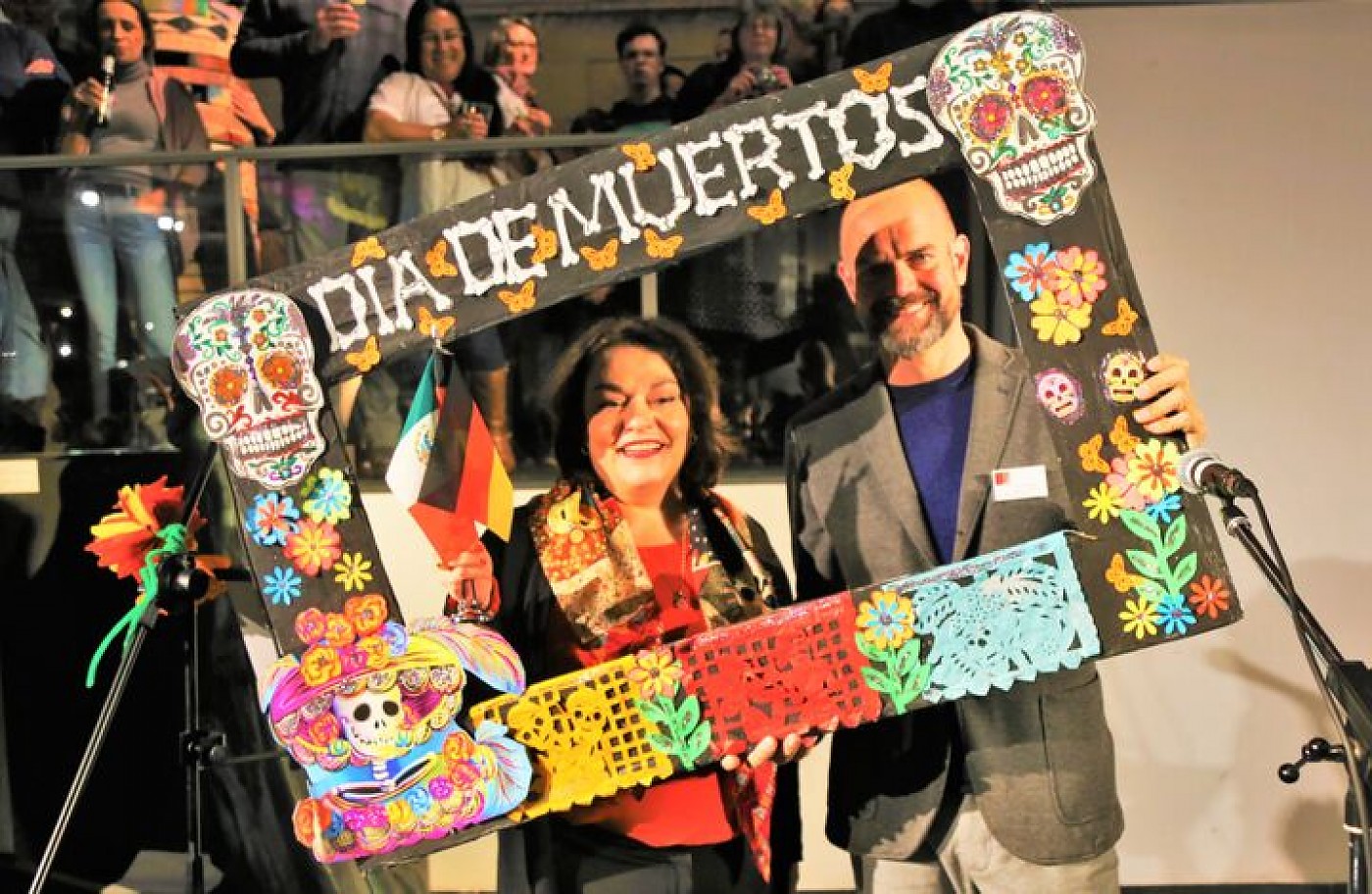
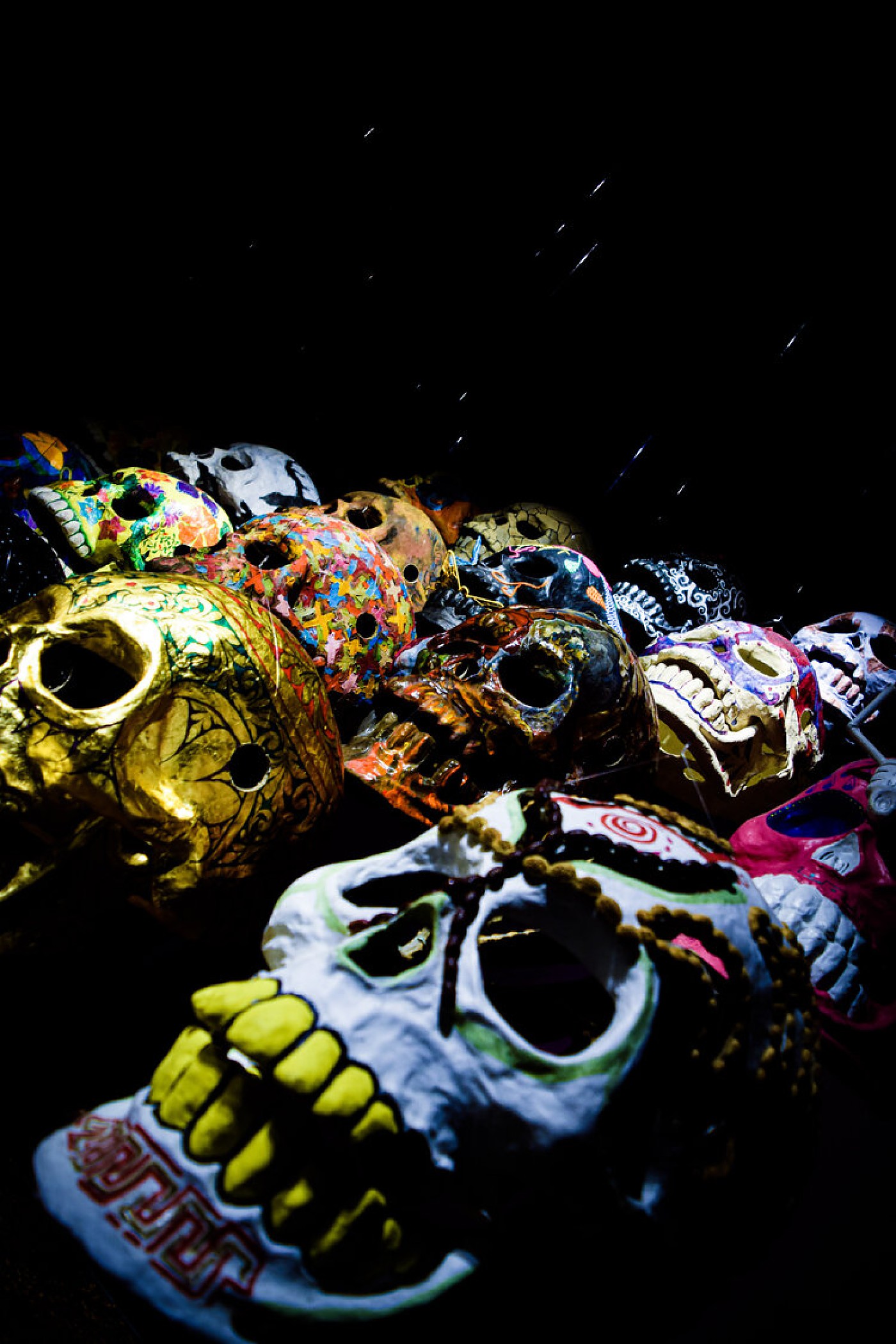
From October 31 to November 2, Mexico celebrates the "Día de los Muertos", the "Day of the Dead". This celebration mixes elements of pre-Columbian culture with forms of Christian customs. The result is a unique cult of the dead, which was declared an intangible world cultural heritage by UNESCO in 2003. The festival of the dead is of great importance to the Mexican population. In Mexico, the "Día de los Muertos" is one of the most important holidays. According to belief, the souls of the deceased visit the living during this time. And this visit is not feared, but joyfully and extensively celebrated.
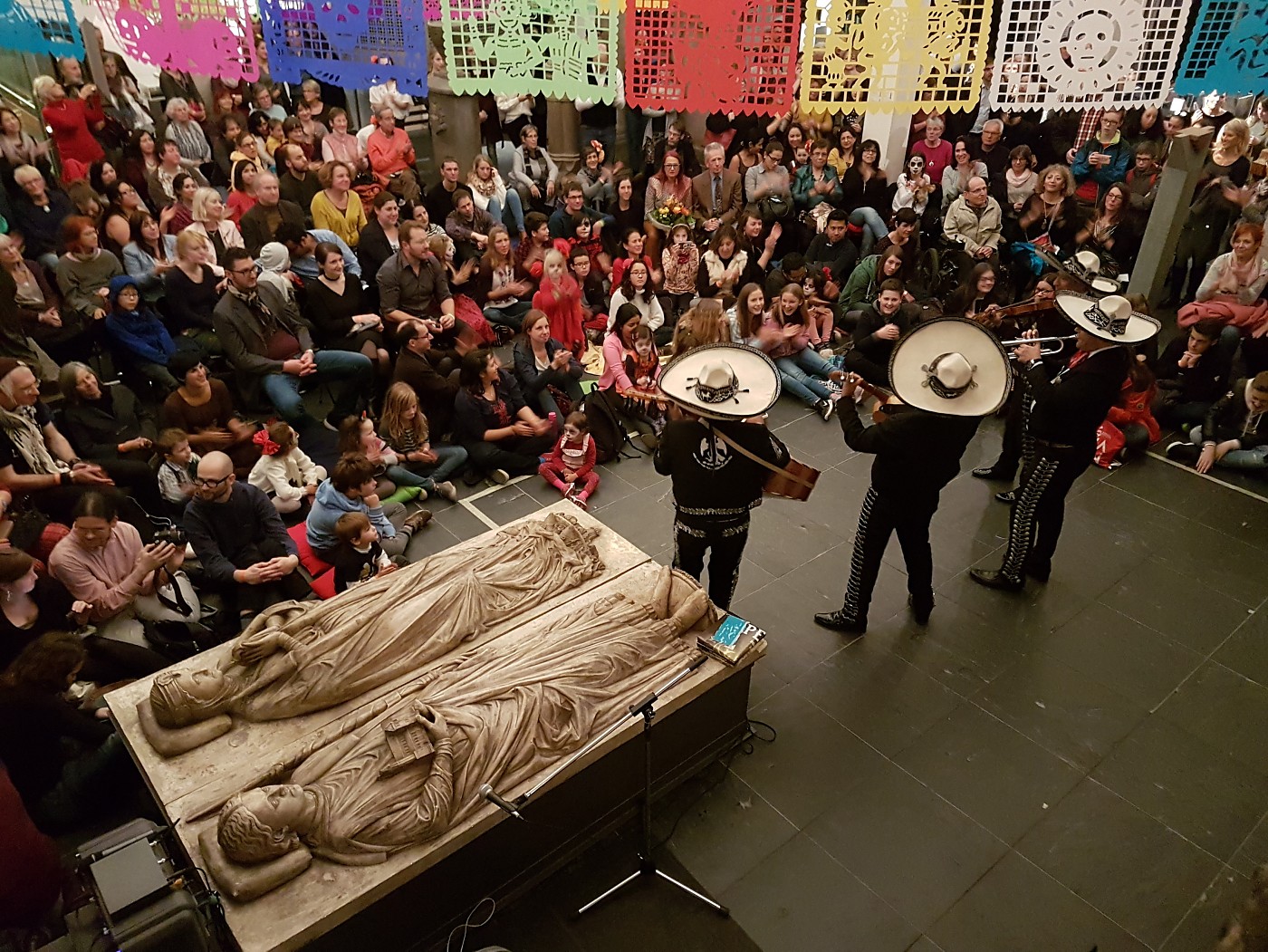
With its Mexican Festival of the Dead, the Museum for Sepulchral Culture pays tribute to "Día de los Muertos" as a special form of commemoration of the dead and mourning that continues to evolve without forgetting its origins.
Every two years, the festival is an opportunity to discuss artistic contributions, documentaries or films with Mexican and German cultural professionals.
Espanol
Del 31 de octubre al 2 de noviembre, México celebra el "Día de los Muertos". Esta fiesta sincretiza elementos de las culturas prehispánicas con tradiciones cristianas. El resultado es un culto a los muertos único, que fue declarado Patrimonio Cultural Inmaterial de la Humanidad por la UNESCO en 2003. El "Día de los Muertos" es una de las fiestas más importantes en México y tiene un gran significado. Según la creencia, las almas de los difuntos visitan a los vivos durante este tiempo y esta visita no se teme, sino que se celebra con alegría y con abundancia.
Con este evento, el Museo de Cultura Sepulcral rinde homenaje al "Día de los Muertos" y lo recibe como una forma especial de conmemorar a los muertos y afrontar el duelo, adoptándolo en Alemania sin nunca olvidar su origen mexicano.
Con su primera exposición de arte digital, el Museo de Cultura Sepulcral le invita a participar en el proceso de esta celebración. ¡Visite nuestro evento o tutoriales en línea! Tenga una charla con los artistas y colaboradores de este evento, tanto mexicanos como alemanes o con los creadores de las películas documentales. Además, puede participar en nuestro primer concurso de arte digital. En este año, la celebración del Día de los Muertos se dedica de manera especial a las personas que se han ido por suicidio.
Día de los Muertos 2023
4. November 2023
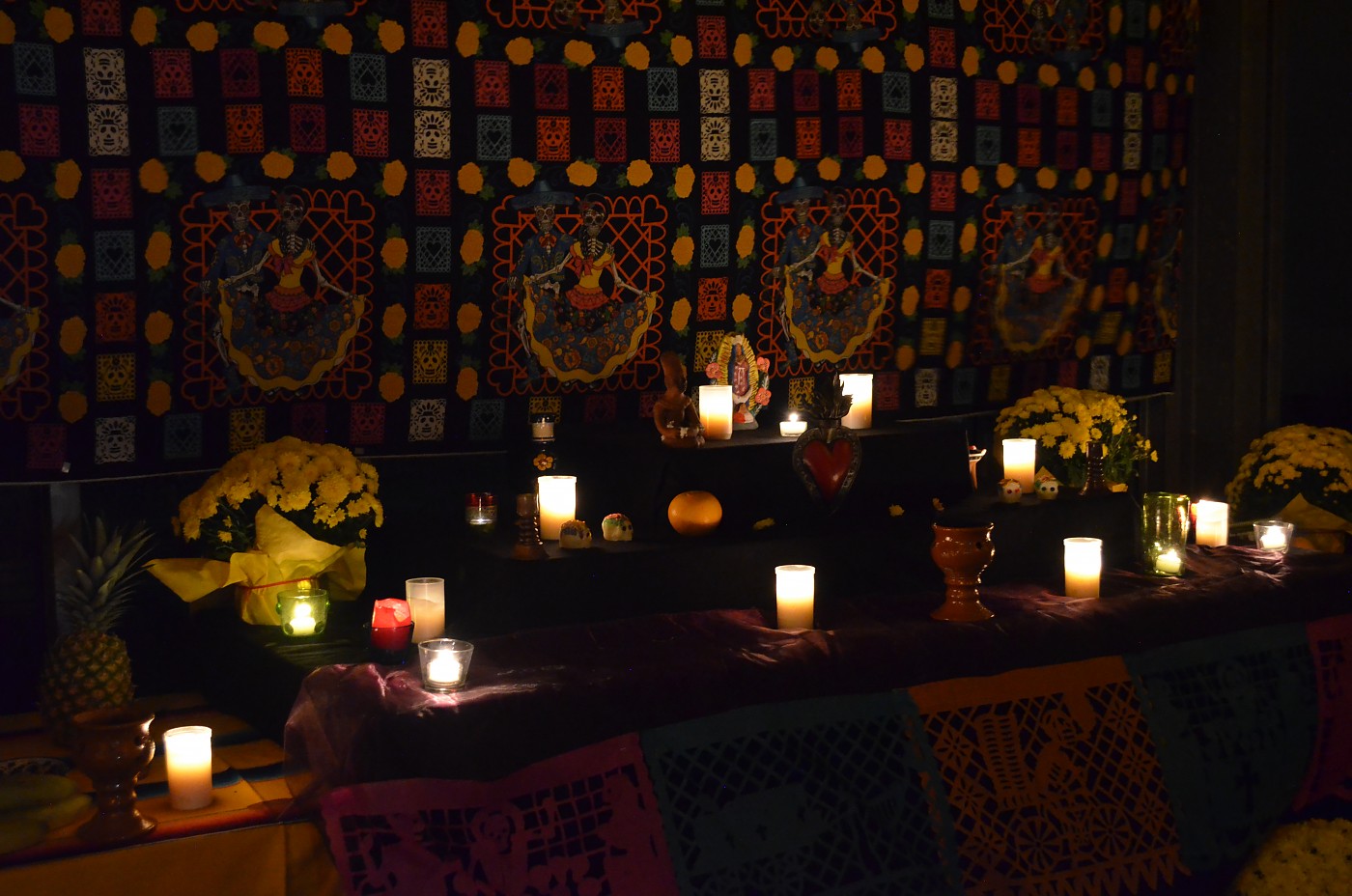
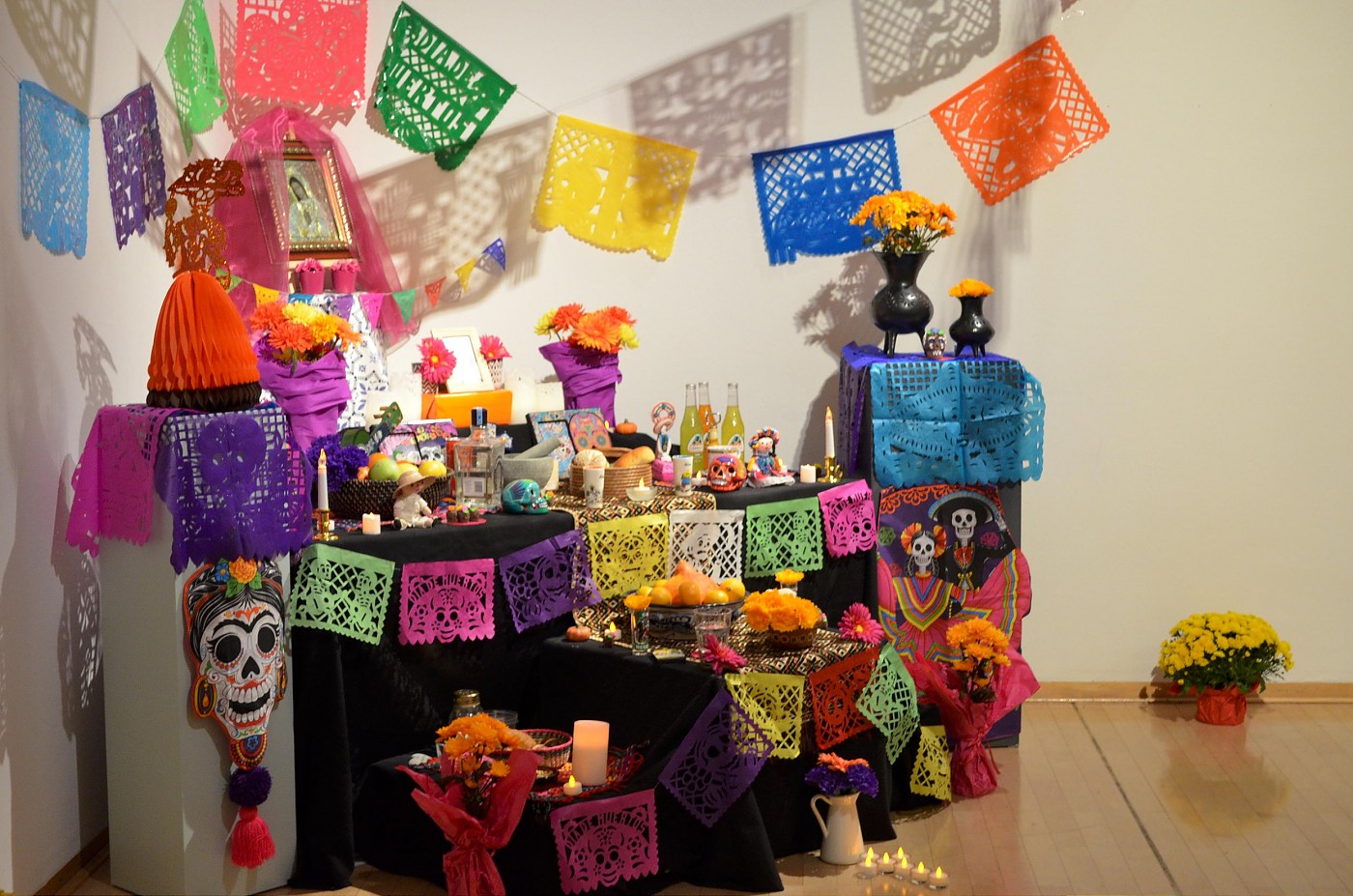
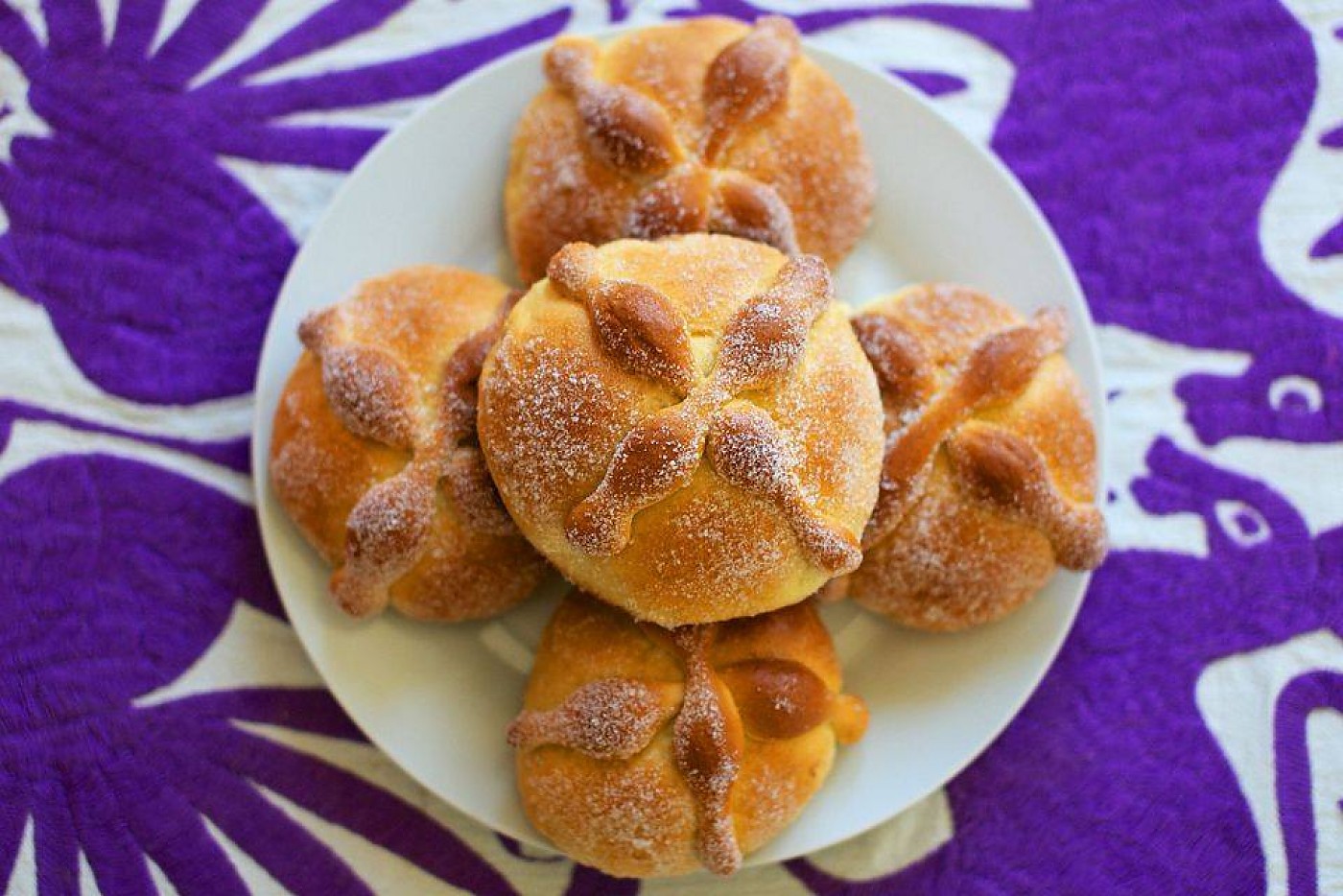
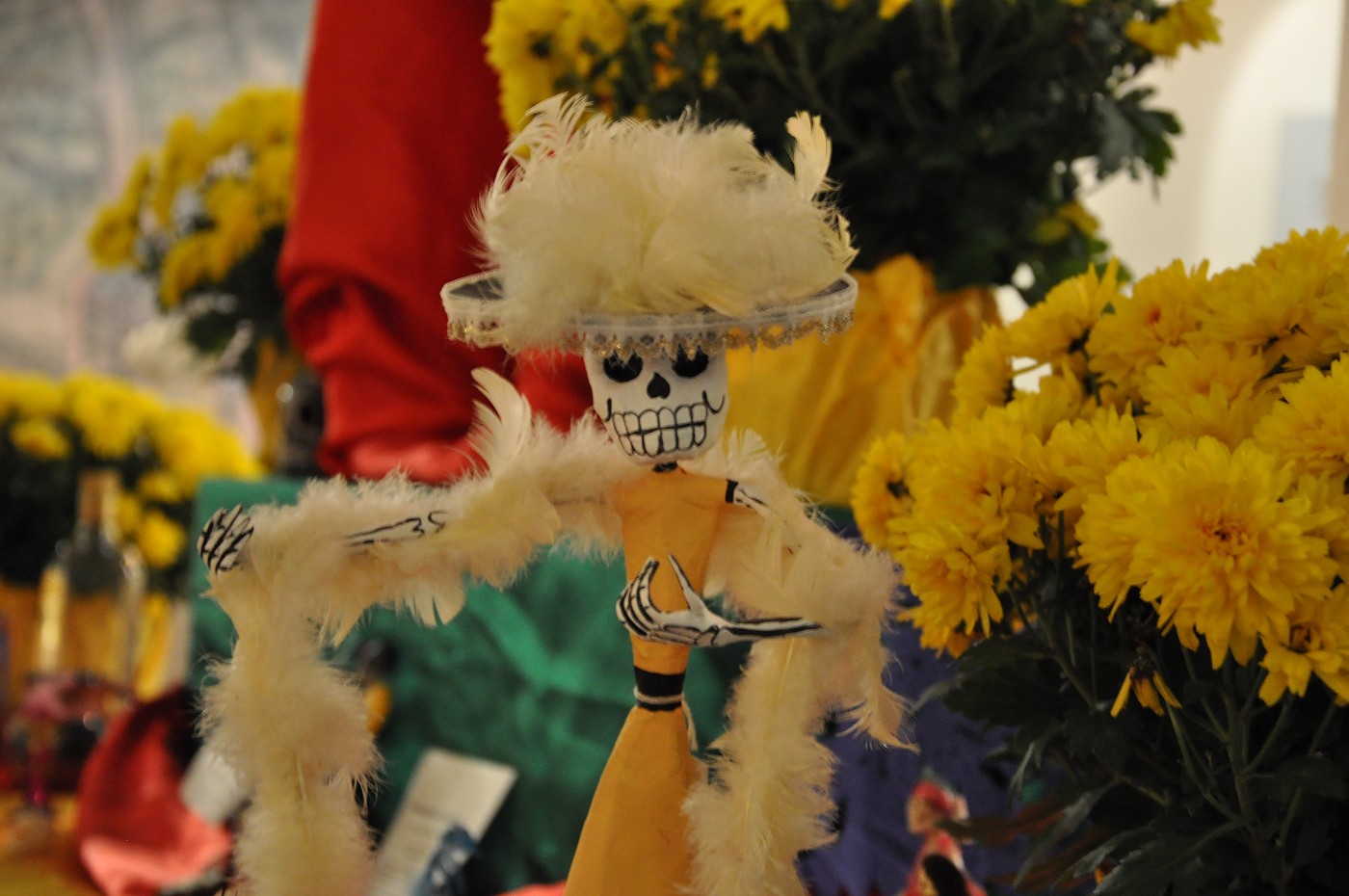
Der DÍA DE LOS MUERTOS, das mexikanische Totenfest, wird alljährlich im November feierlich begangen, weil in der Vorstellung vieler Mexikanerinnen und Mexikaner in jener Nacht die Seelen der Verstorbenen die Lebenden besuchen. Dies ist kein trauriger Tag, sondern ein farbenprächtiges Volksfest zu Ehren der Verstorbenen. Damit die Familien den Verstorbenen einen feierlichen Empfang bereiten können, werden die Gräber mit Blumen und Kerzen geschmückt, in den Wohnhäusern Opferaltäre, so genannte „Ofrendas“ errichte und mit Skeletten aus Draht oder Pappmaché, Marzipansärgen und Totenköpfen aus Zuckerguss und den Lieblingsspeisen der Verstorbenen geschmückt. Es wird gegessen, getrunken, musiziert und getanzt. .
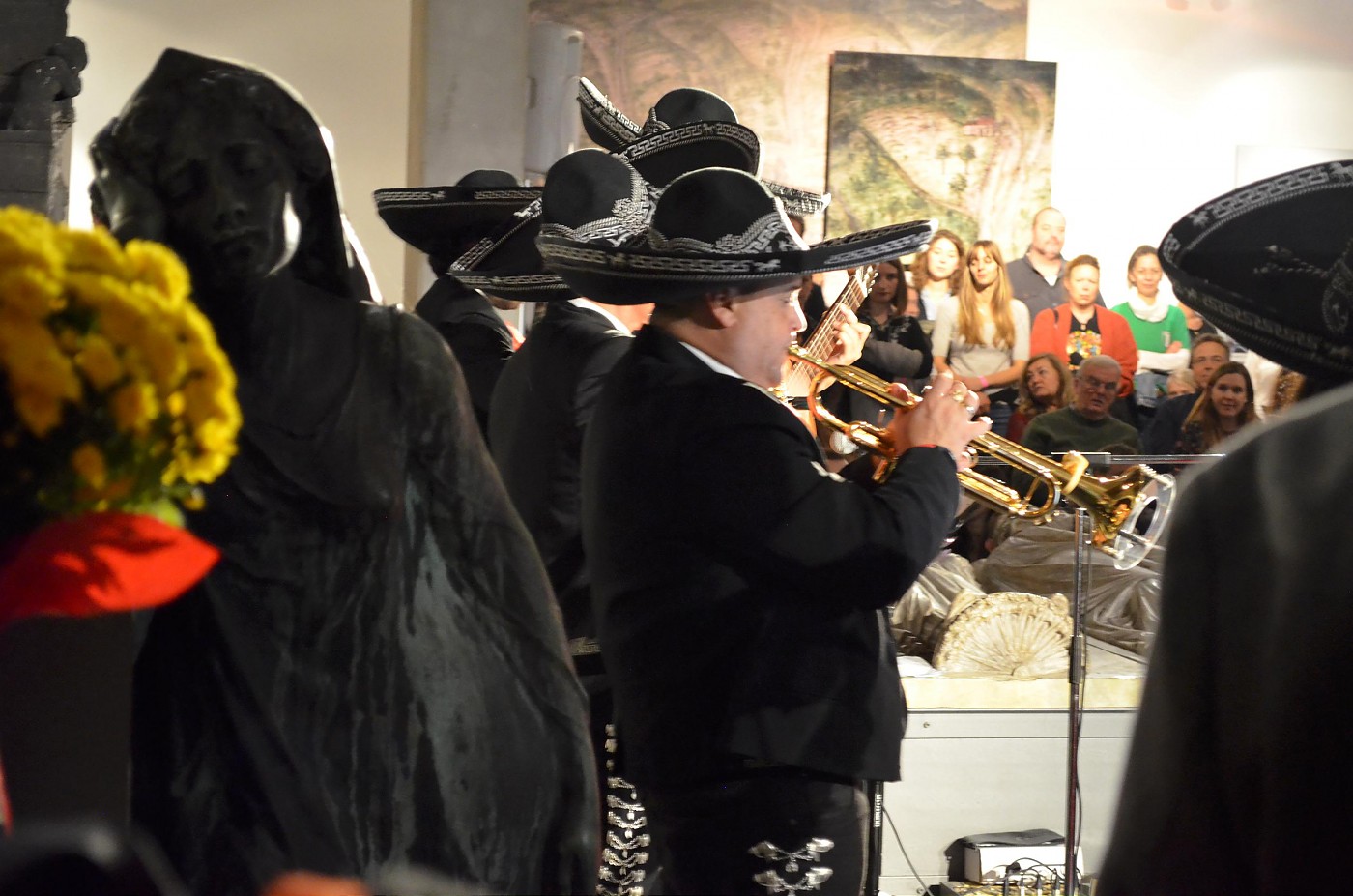
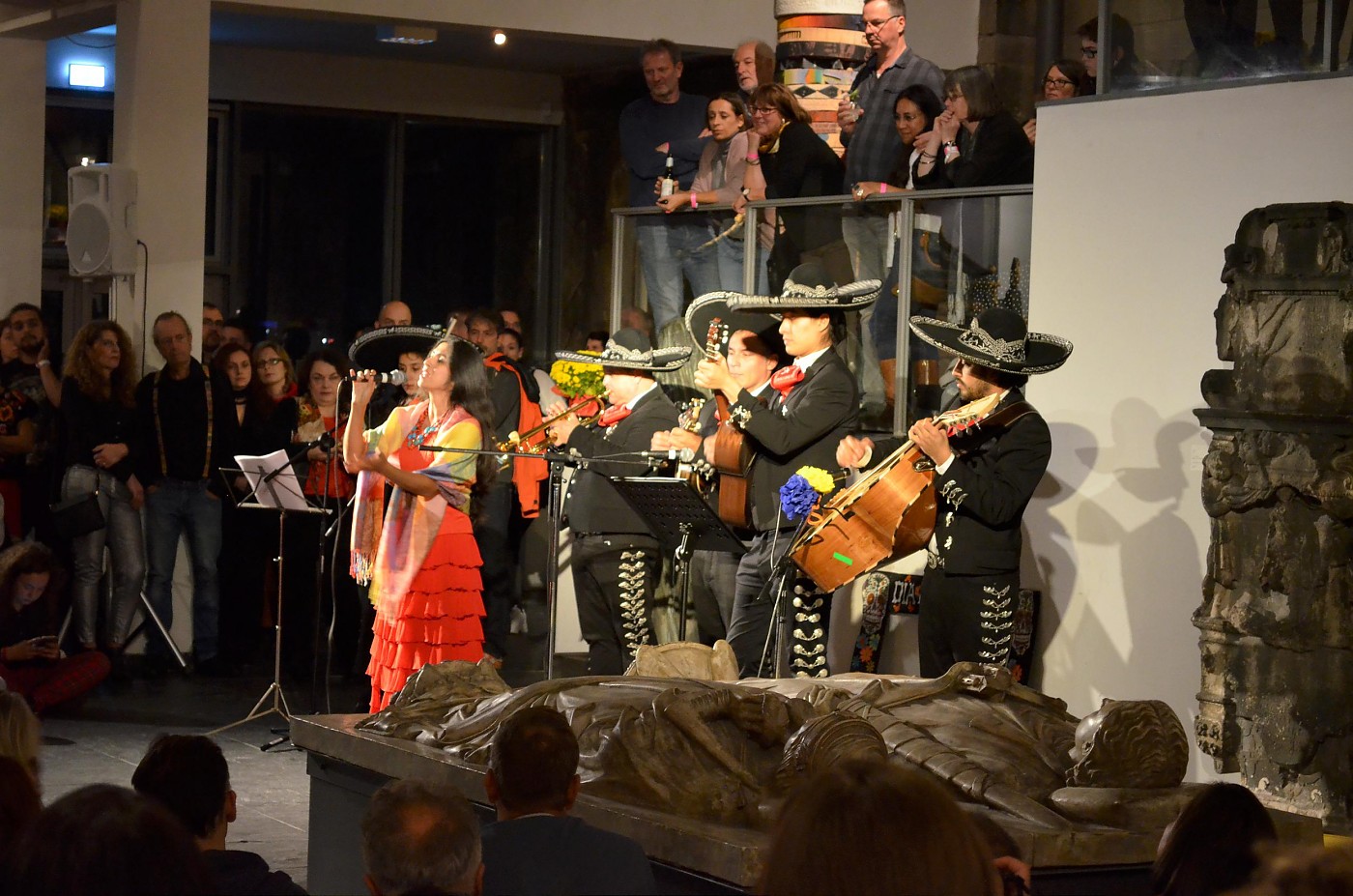
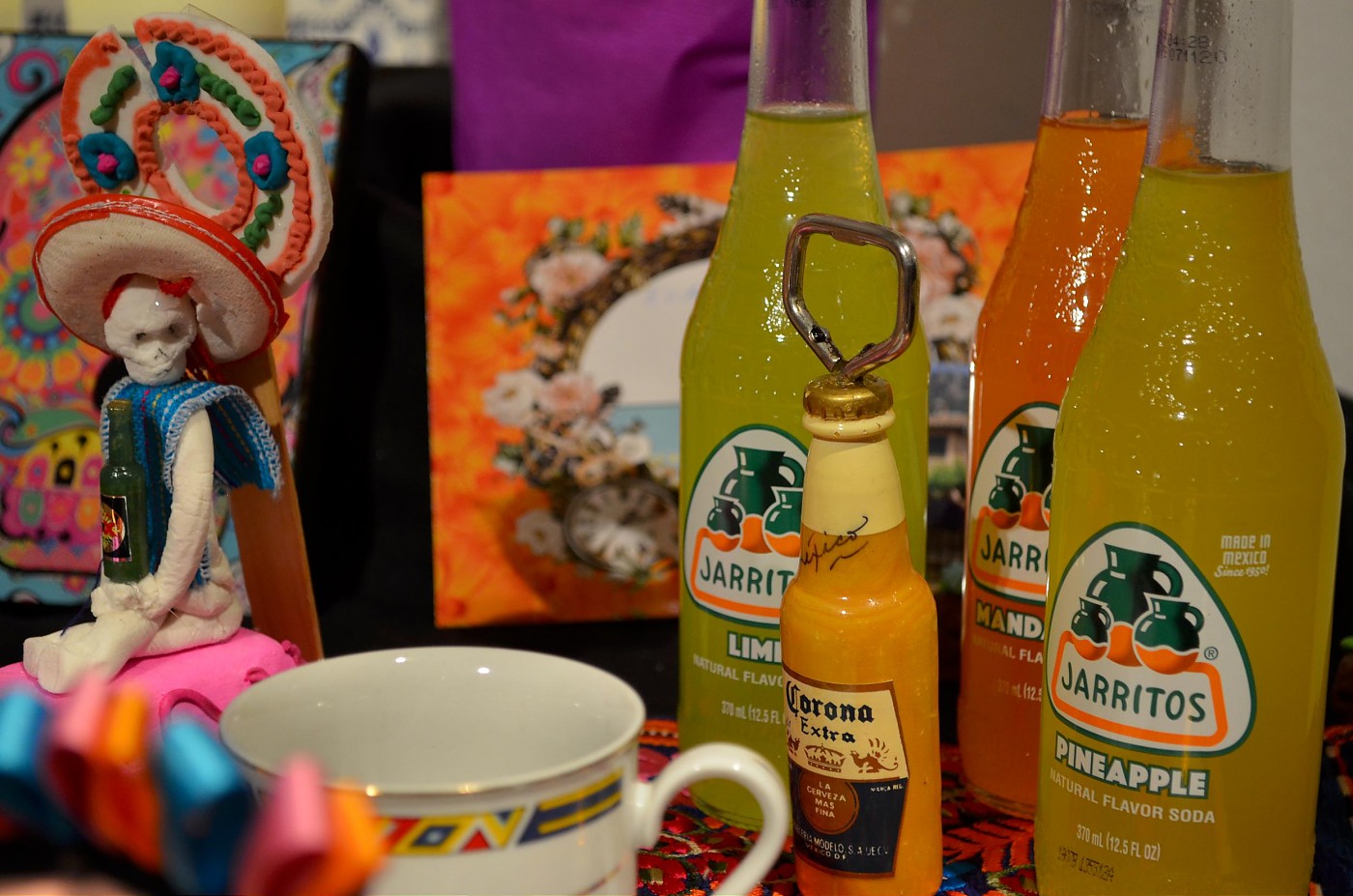
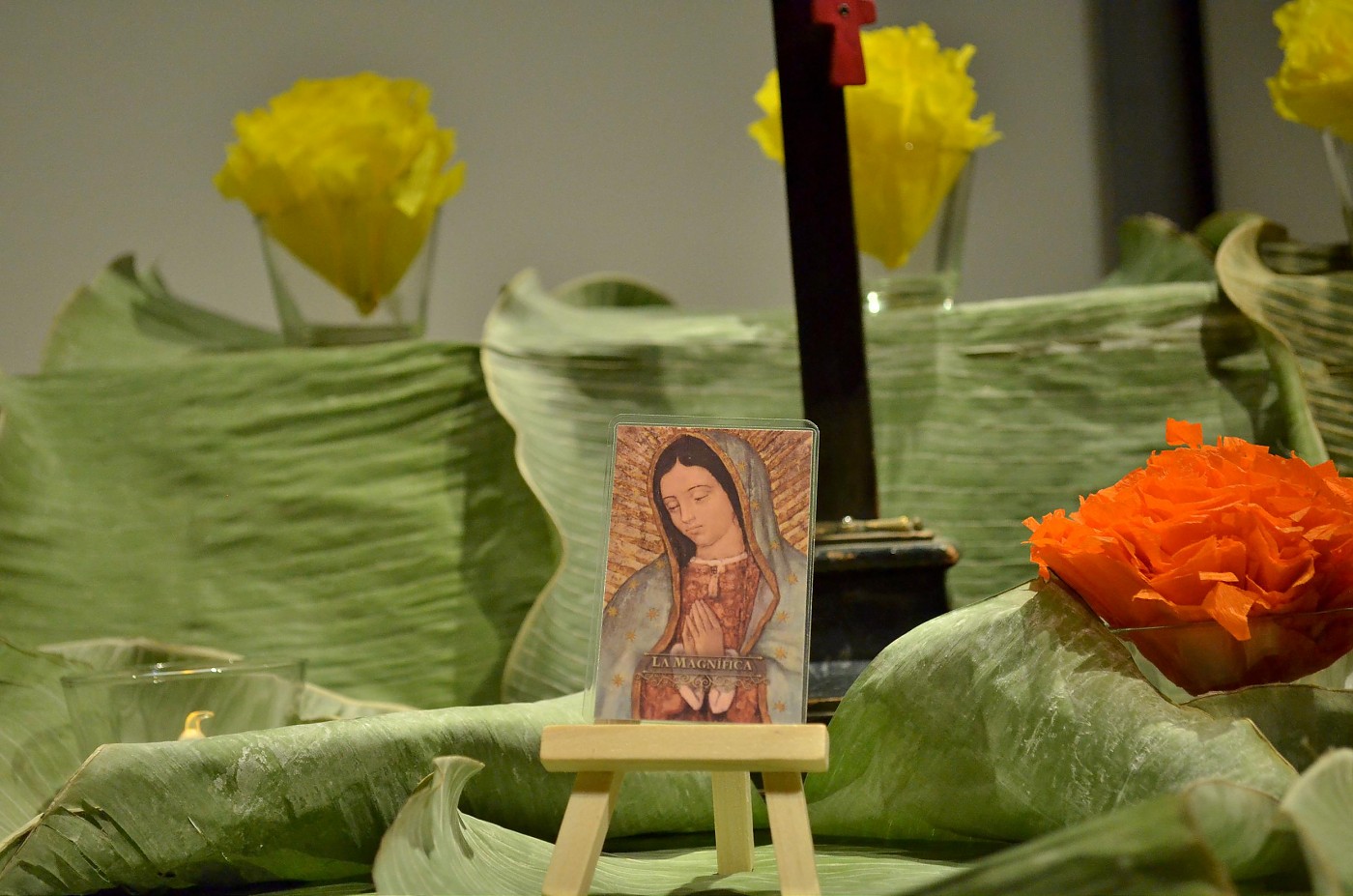
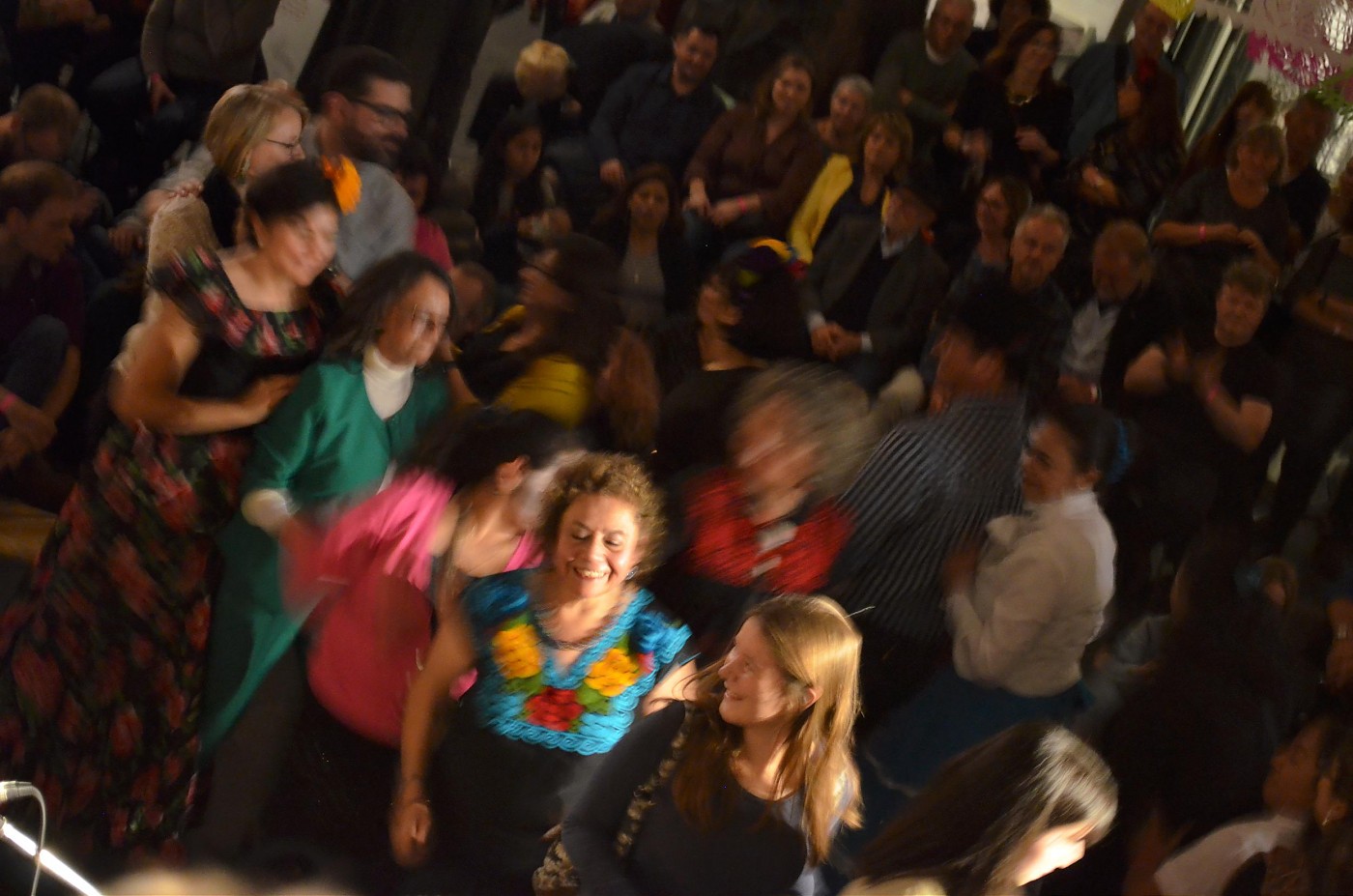
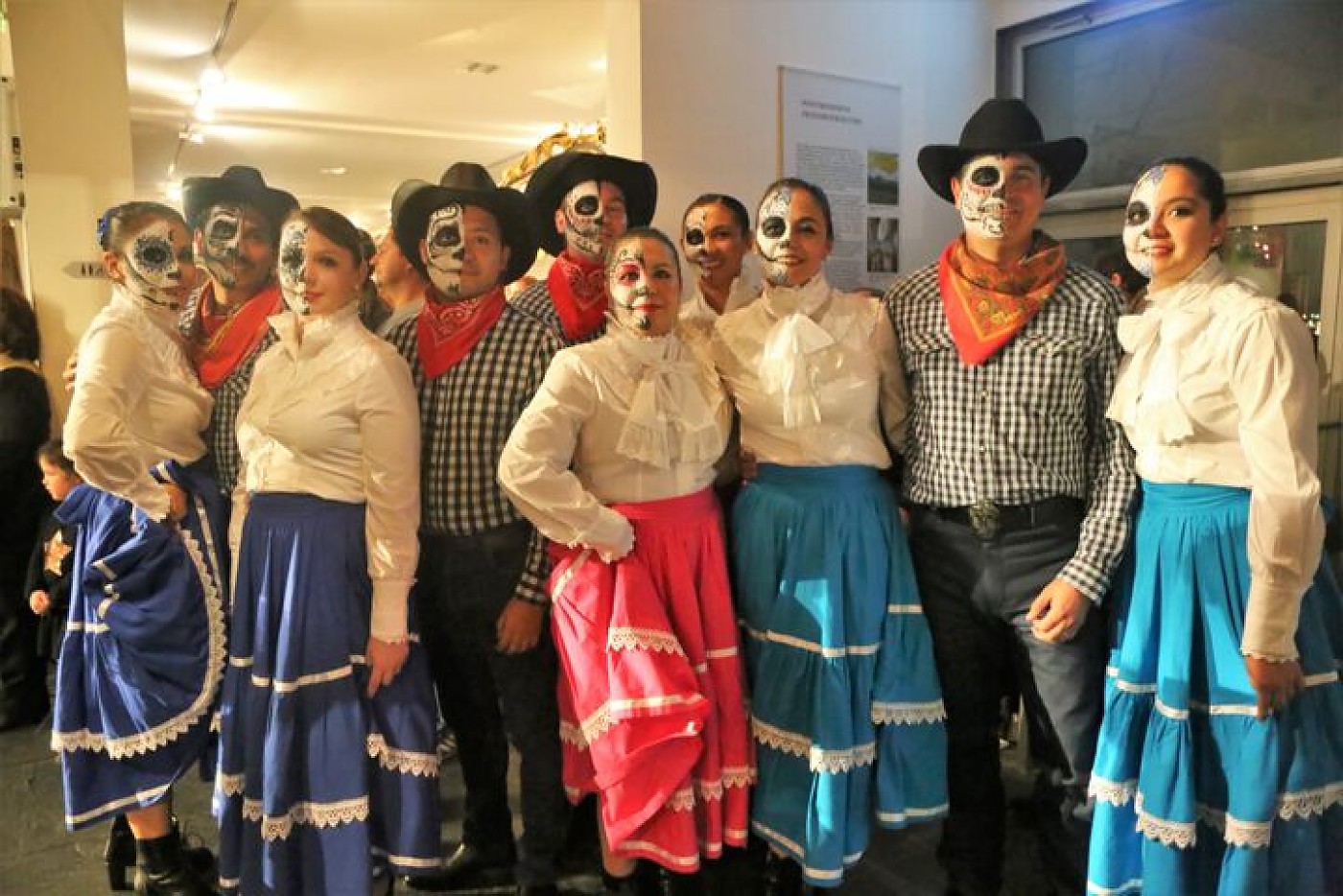
Für eine typisch mittelamerikanische Atmosphäre sorgen die mexikanischen Bürger*innen, die gemeinsam mit Mitarbeiter*innen des Museums das Programm zusammengestellt haben. Geboten werden wieder Workshops, Mariachi- Musik, mexikanische Tänze und kulinarischen Spezialitäten sowie zahlreiche „Ofrendas“, die Gabentische, die für die Verstorbenen gestaltet wurden. Es wird auch wieder eine große, gemeinschaftliche „Ofrenda“ im Museum geben. An dieser können Besucherinnen und Besucher ihrer verstorbenen Angehörigen oder Freunden gedenken – mit einem Foto oder mit einem kleinen Geschenk, das sie mitbringen und auf der „Ofrenda“ platzieren.
In diesem Jahr feiert das Museum für Sepulkralkultur den „Día de los Muertos“ an zwei Tagen. Der 3. November ist dabei den "Angelitos" (zu dt. „Engelchen“), also den verstorbenen Kindern, gewidmet.
29. October 2023 | 6:00 pm:
play "Die brennende Stille" with Murmurante
(flyer as PDF)
3. November 2023 | 3:00 pm:
Workshop for teachers in Spanish with Murmurante
(flyer as PDF)
Abendprogramm am 4. November 2023
19:00 Uhr
Begrüßung | Dr. Pörschmann | Museum für Sepulkralkultur
Grußwort | Cecilia Villanueva Bracho | Cónsul de México/ Konsulin von Mexiko, Frankfurt a. M.
15 Jahre Día de los Muertos in Kassel | Pilar Butte
19:30 – 19:45 Uhr
Tanzperformance | Ayopali Theatergruppe aus Kassel
19:45 – 20:15 Uhr
Calaveras-Texte, Lieder und Tänze von Jugendlichen zum Día de los Muertos | Studio Lev "Impro trifft Szene"
20:15 – 21:15 Uhr
Mexikanische Lieder | Marisa Álvarez (Gesang) und Josué Partida (Gitarre)
21:30 – 22:15 Uhr
Traditionelle Mariachi-Musik und Rhythmen | „Mariachiband“
21:15 – 21:30 Uhr
Xoloitzcuintle – Kulturelle Besonderheit auf vier Pfoten | In Wort und Bild präsentiert Ricarda Scheffler eine mexikanische Hunderasse, die von den Azteken als heilig verehrt wurde.
21:30 – 22:15 Uhr
Rundgänge zu den Veranstaltungsbeiträgen:
Zeit für Snacks und Getränke
Besichtigung der Ofrendas
Sweet Skull-Schminkmasken | Workshop
22:15 – 23:00 Uhr
Traditionelle Mariachi-Musik und Rhythmen | "Mariachiband"
23:00 – 23:15 Uhr
Pause
23:15 Uhr
Tanz zu Mariachi-Musik | "Mariachiband"

Eintritt
Eintritt für den Día de los Muertos | 4. November 2023
Kinder und Jugendliche bis 16 Jahren: 9,00 €
Erwachsene: 18,00 €
Familien (2 Erwachsene und 2 Kinder): 30,00 €
Kombiticket für beide Tage 3. und 4. November 2023 (2 Erwachsene und 2 Kinder): 40,00 €
Kombiticket für beide Tage 3. und 4. November 2023 (1 Erwachsene*r): 23,00 €
Wichtig:
Karten können nicht online bestellt oder zugeschickt werden. Bei Vorbestellungen müssen sie spätestens 1 Stunde vor Veranstaltungsbeginn abgeholt werden.
Día de los Angelitos 2023
3. November 2023
Der „Día de los Angelitos“ beginnt mit verschiedenen Workshops, Tanz und Führungen für Kinder und junge Heranwachsende. Den Abschluss bildet eine spannende und unterhaltsame Überraschung für die jungen Besucher.
Programm am 3. November 2023
16:30 Uhr
Workshops zum Día de los Angelitos
Calaveras de cerámica | Gestaltung mexikanischer Totenkopfmotive aus Keramik | Für Kinder und Jugendliche
Calaveras y calacas para colorear | Mexikanische Totenfestmotive zum Ausmalen | Für Kinder ab 6 Jahren
Flores de Cempasúchil – Flores des Papel | Papierblumen-Workshop | Für Kinder ab 4 Jahren
Sweet Skulls | Schmink-Workshop
Die Ergebnisse der Workshops können auf einer „Ofrenda por los Angelitos“ platziert werden. Wer möchte, kann seine Andenken nach der Ausstellung mit nach Hause nehmen.
17:00 Uhr
Xoloitzcuintle – Kulturelle Besonderheit auf vier Pfoten | In Wort und Bild präsentiert Ricarda Scheffler eine mexikanische Hunderasse, die von den Azteken als heilig verehrt wurde.
Tanzaufführung
17:30 Uhr
Calavaras -Texte, Lieder und Tänze von Jugendlichen zum Dia de los Muertos | Studio Lev „Impro trifft Szene“
18:00 bis 19:30 Uhr
Antiomationsfilm zum Día de los Muertos | Ein musikbegeisterter Junge gelangt zusammen mit seinem frechen Xolo-Hund am Día de los Muertos durch einen Zufall in das Land der Toten. Dort trifft er jede Menge schräge und liebenswerte Gestalten - aber auch Bösewichte. Mit Witz, Geschick und Glück übersteht er einige Abenteuer und erlöst mit Hilfe der Alebrijes seiner Vorfahren seine Familie von einem langen Fluch. Spannend, lustig und farbenfroh. Kinder und Jugendliche, die mehr über den Día de los Muertos erfahren möchten und dabei Spaß haben wollen, dürfen den Film auf keinen Fall verpassen!
Eintritt
Eintritt für den Día de los Angelitos | 3. November 2023
Kinder und Jugendliche bis 16 Jahren: 5,00 €
Erwachsene: 9,00 €
Familien (2 Erwachsene und 2 Kinder): 18,00 €
Kombiticket für beide Tage 3. und 4. November 2023 (2 Erwachsene und 2 Kinder): 40,00 €
Kombiticket für beide Tage 3. und 4. November 2023 (1 Erwachsene*r): 23,00 €
Digital Día de los Muertos 2021
In 2021, everything was different: Due to the ongoing Covid 19 pandemic, Día de los Muertos could not take place at the museum as usual with dance and music and numerous guests and artists. Instead, 2021 featured a comprehensive digital program with workshops, video tutorials, and events. In addition, there was an art competition and the usual art exhibition took place digitally.
With its 1st digital art exhibition, the Museum for Sepulchral Culture invited people to participate in this process. One could attend online events or tutorials, discuss artistic contributions, documentaries or films with Mexican and German cultural workers or participate in the competition of our exhibition with a digital artwork. In addition, the theme of "suicide" was the focus of the festival of the dead, because from September 10, 2021 to April 03, 2022, the special exhibition "Suizid – Let's talk about it!" was on display at the museum.
So, despite all the circumstances, we celebrated our Día de los Muertos – just a little differently than usual. Because: Death is inevitable. We will all cross over to the other side at some point. Reason enough to start dealing with your own mortality now. So take a look at our limited-time digital exhibition and deal with death in a virtual way.
Espanol
En 2021, todo es diferente a lo habitual: debido a la pandemia de Covid 19 en curso, el Día de los Muertos no puede celebrarse en el museo como de costumbre, con baile y música y numerosos invitados y artistas. En cambio, este año habrá un amplio programa digital con talleres, videotutoriales y eventos. También habrá un concurso de arte y la habitual exposición de arte tendrá lugar de forma digital.
Con su primera exposición de arte digital, el Museo le invita a participar en este proceso. ¡Visite nuestro evento o tutoriales en línea! Discuta las contribuciones artísticas, los documentales o las películas con los trabajadores culturales mexicanos y alemanes. O participar en el concurso de nuestra exposición con una obra de arte digital. Este año, el tema del "Suicidio" es el centro de la Totenfest, ya que la exposición especial "Suizid – Let's talk about it!" se exhibe actualmente en el museo.
Así que, a pesar de todas las circunstancias, estamos celebrando nuestro Día de los Muertos – sólo que un poco diferente de lo habitual. Porque sí: La muerte es inevitable y en algún momento todos nos iremos al otro lado. ¿Por qué no empezamos de una vez a reflexionar sobre nuestra propia mortalidad? Visite nuestra exhibición temporal digital y dedíquele un tiempo a la muerte en una forma virtual. Participe en un Workshop, visite un panel o maquíllese el rostro como calaverita.
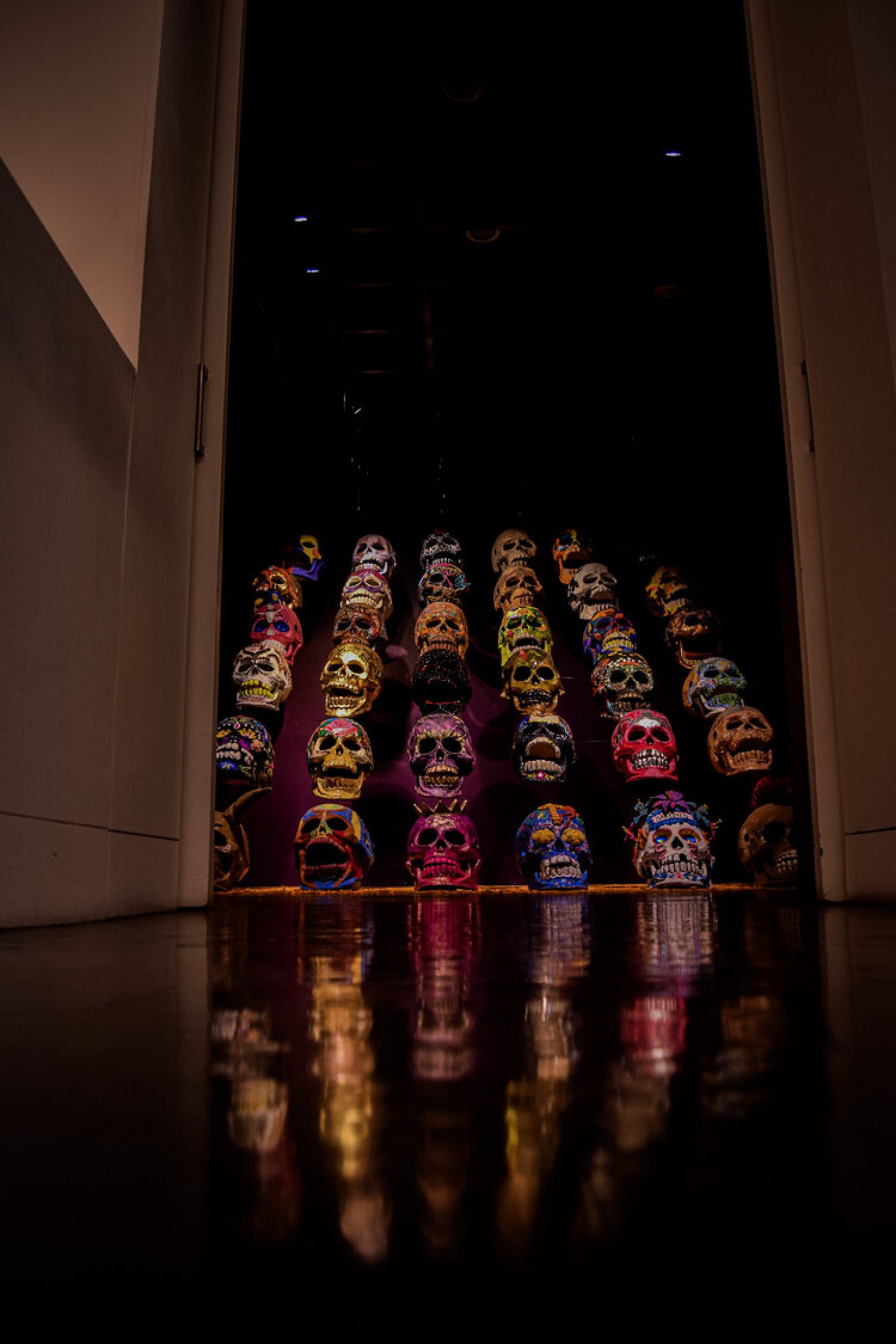
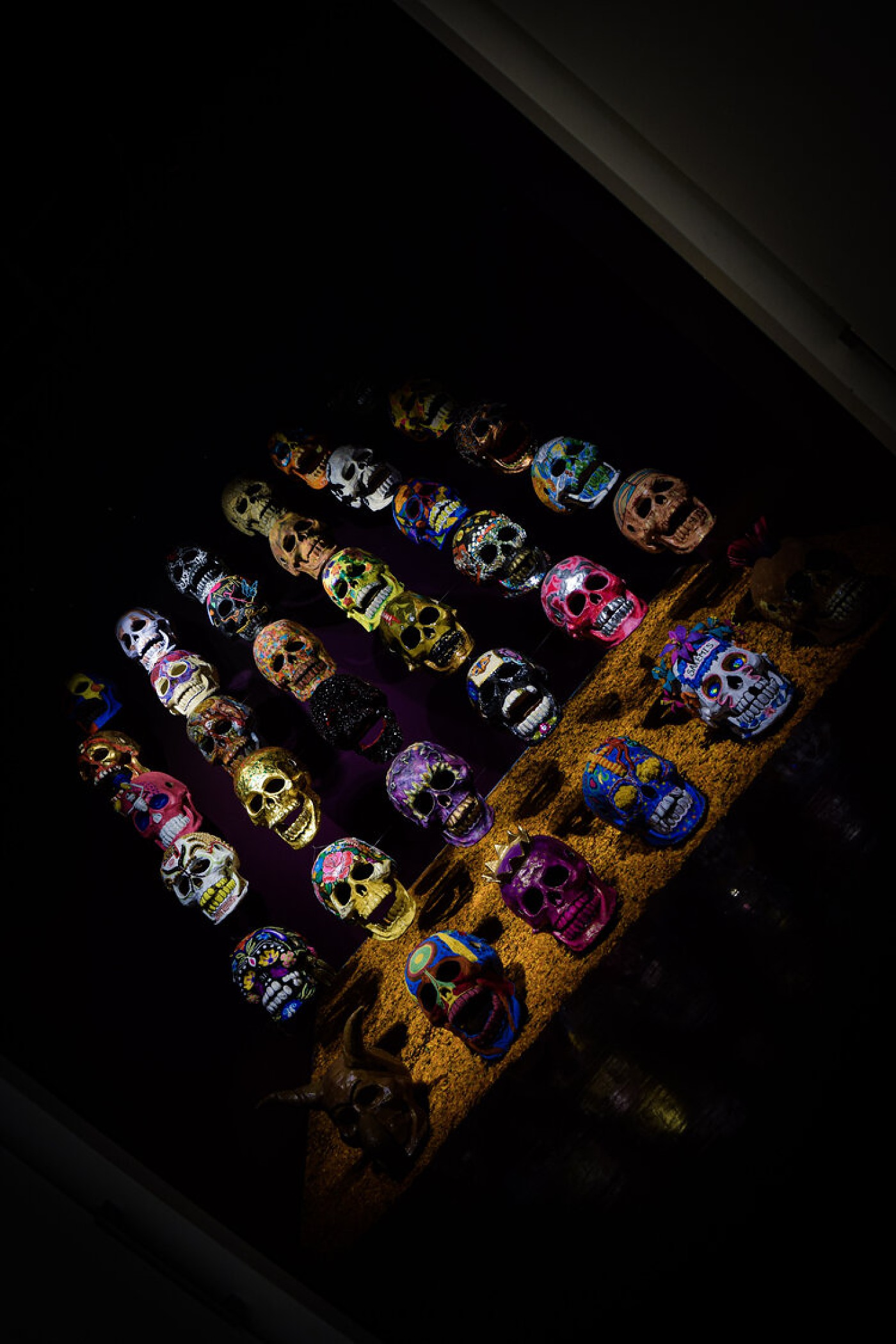
La Ofrenda
Zapotec skull
Flor de Azalea
La Bruja
Sandunga
Adoro
Luz le Luna
La Llorona
La Martiniana
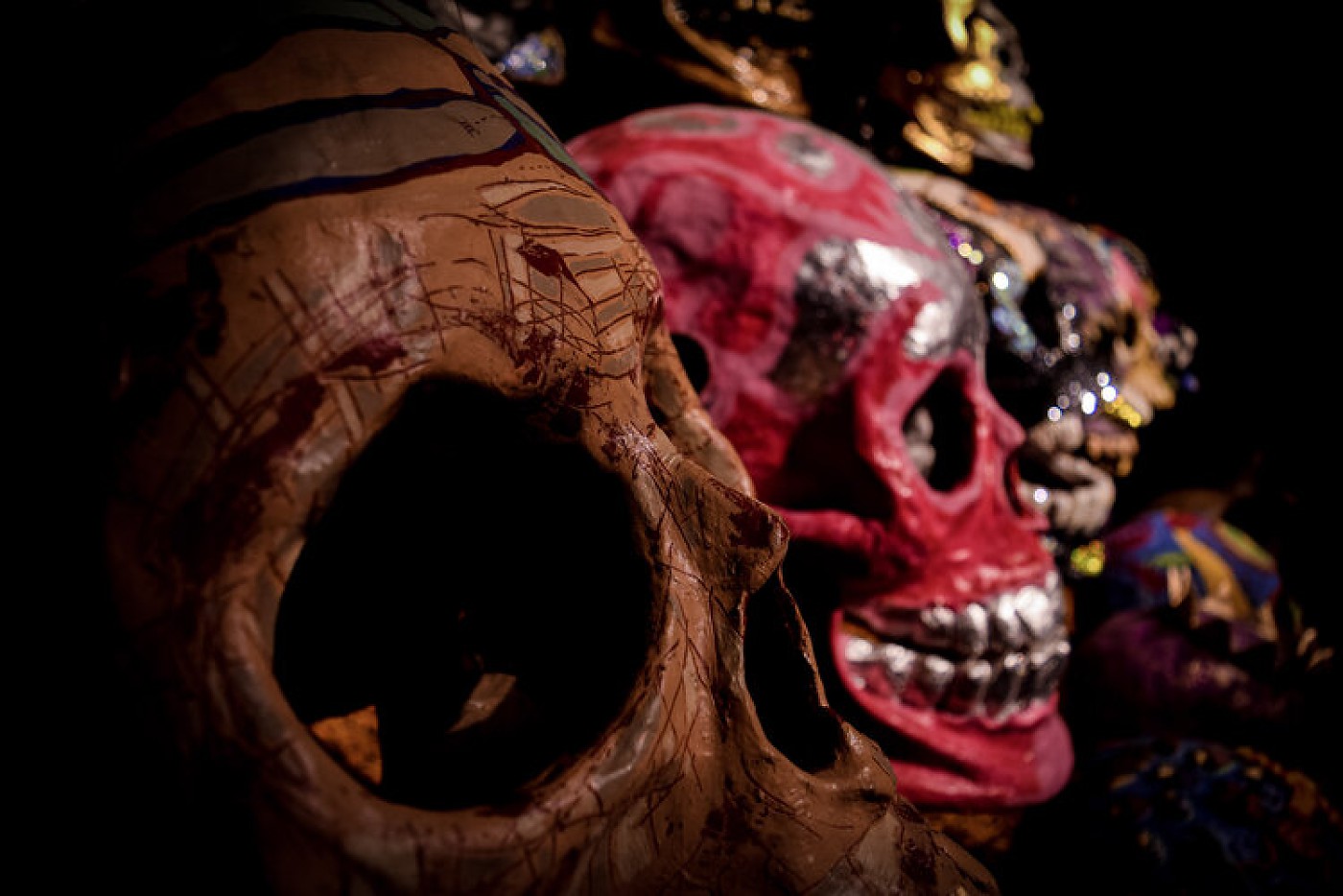
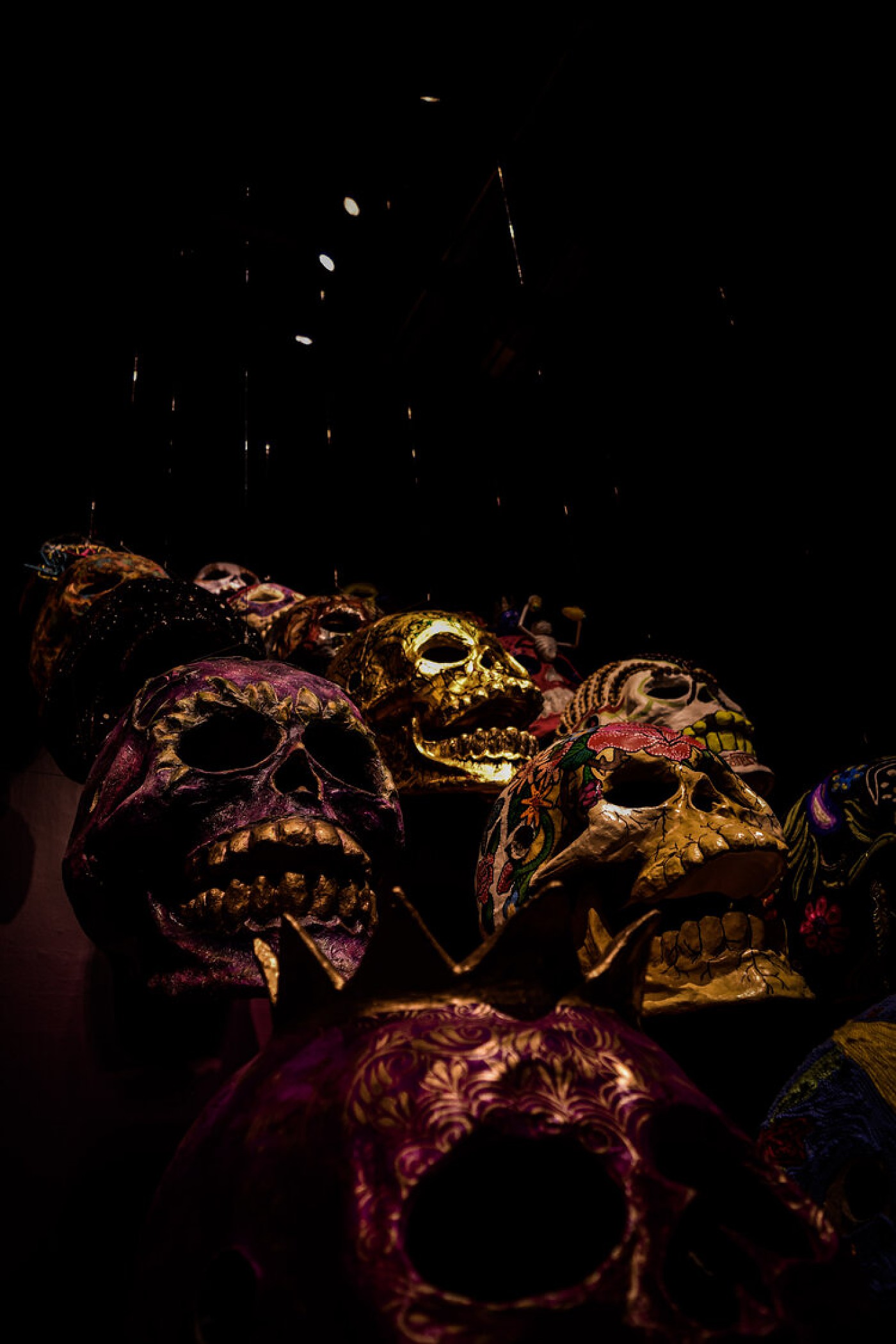
The Day of Dead at the Museum for Sepulchral Culture



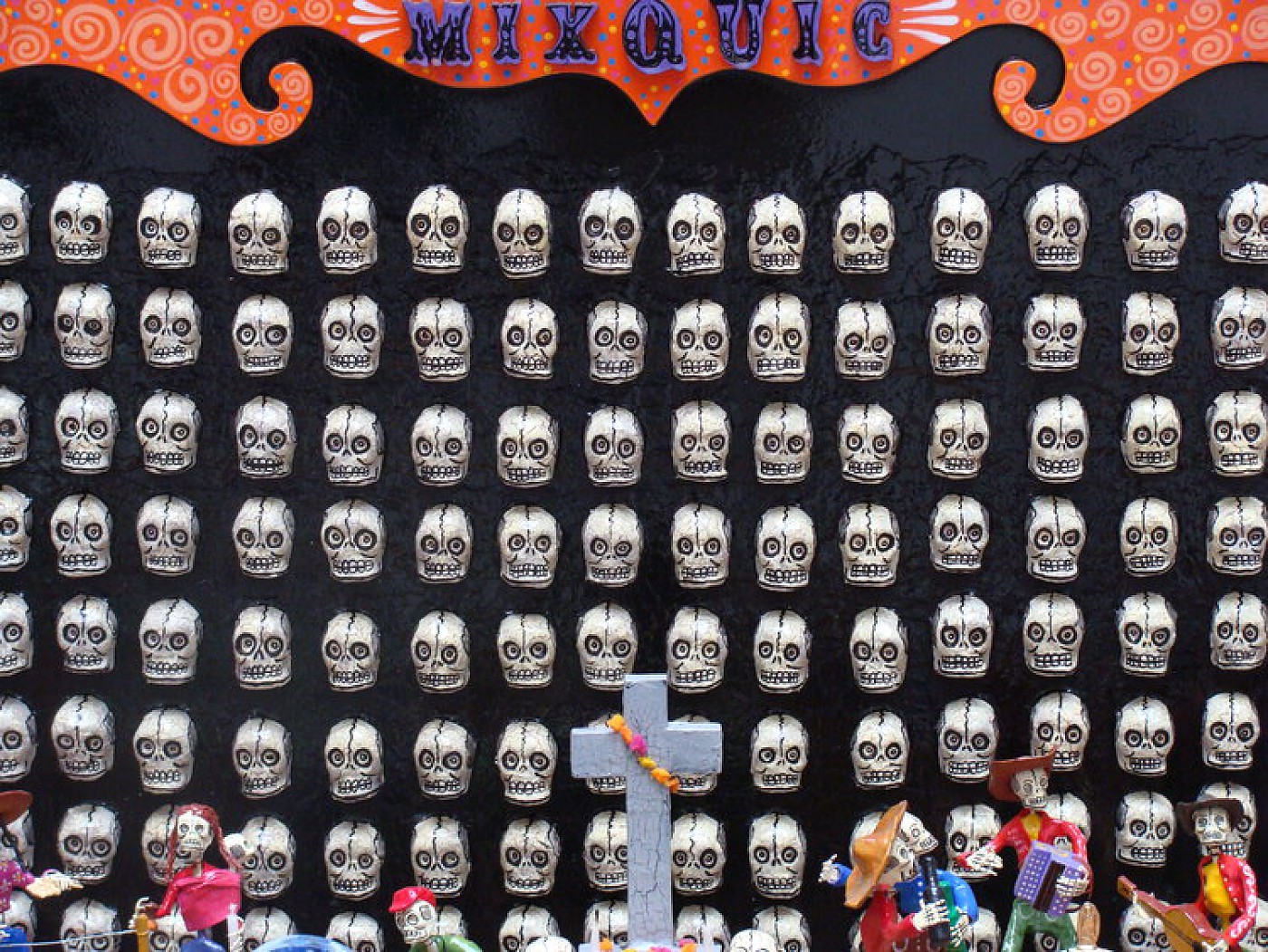
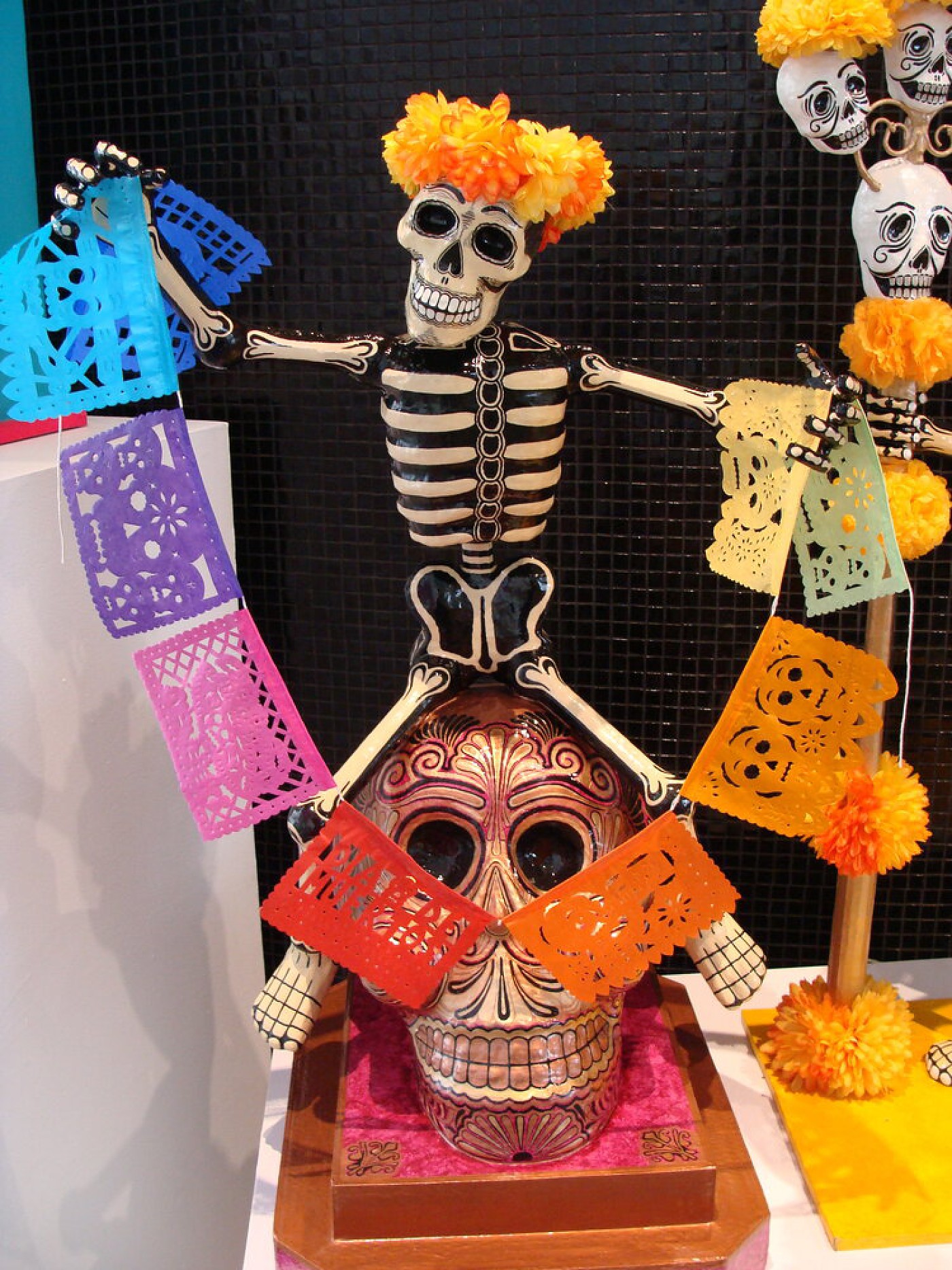
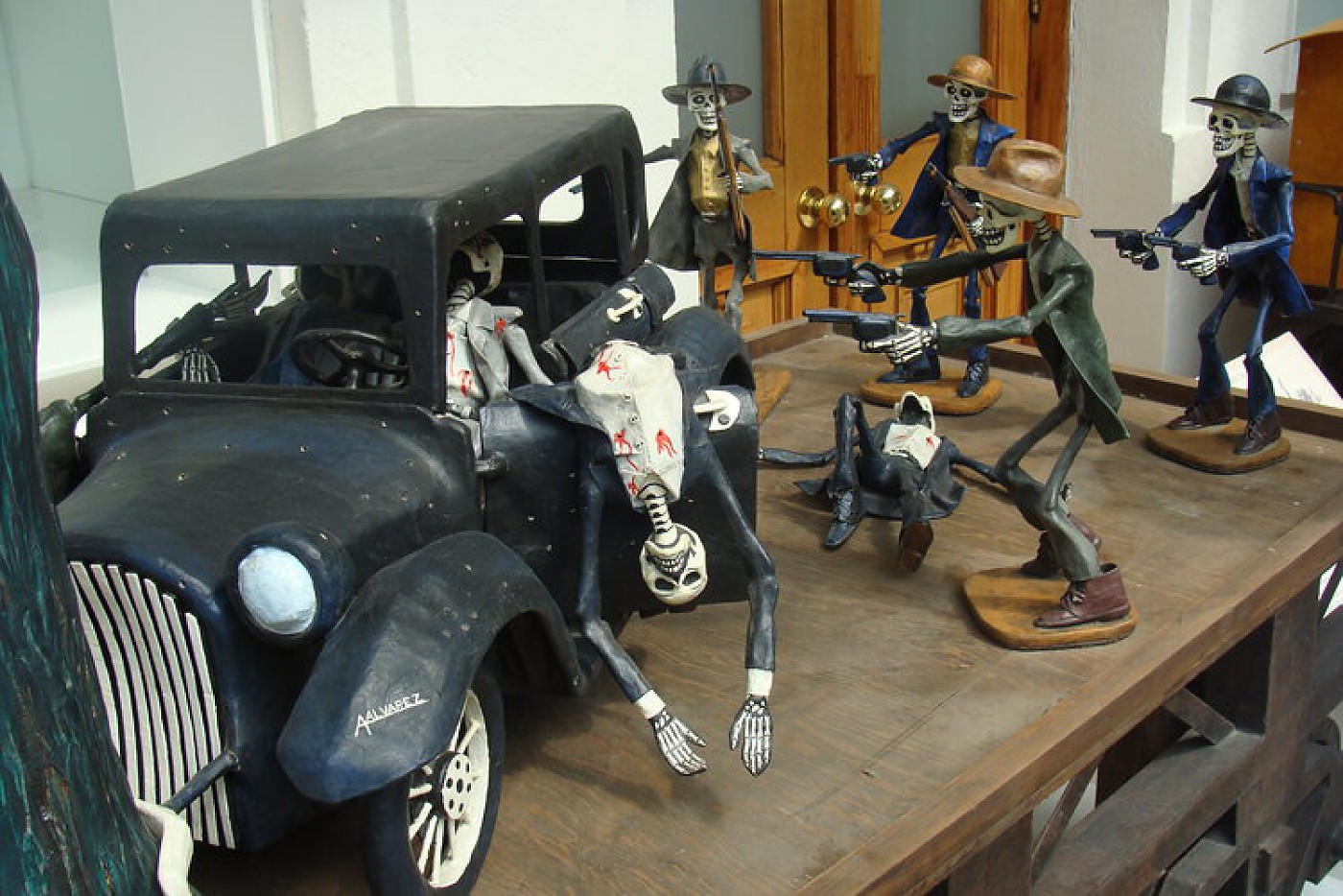
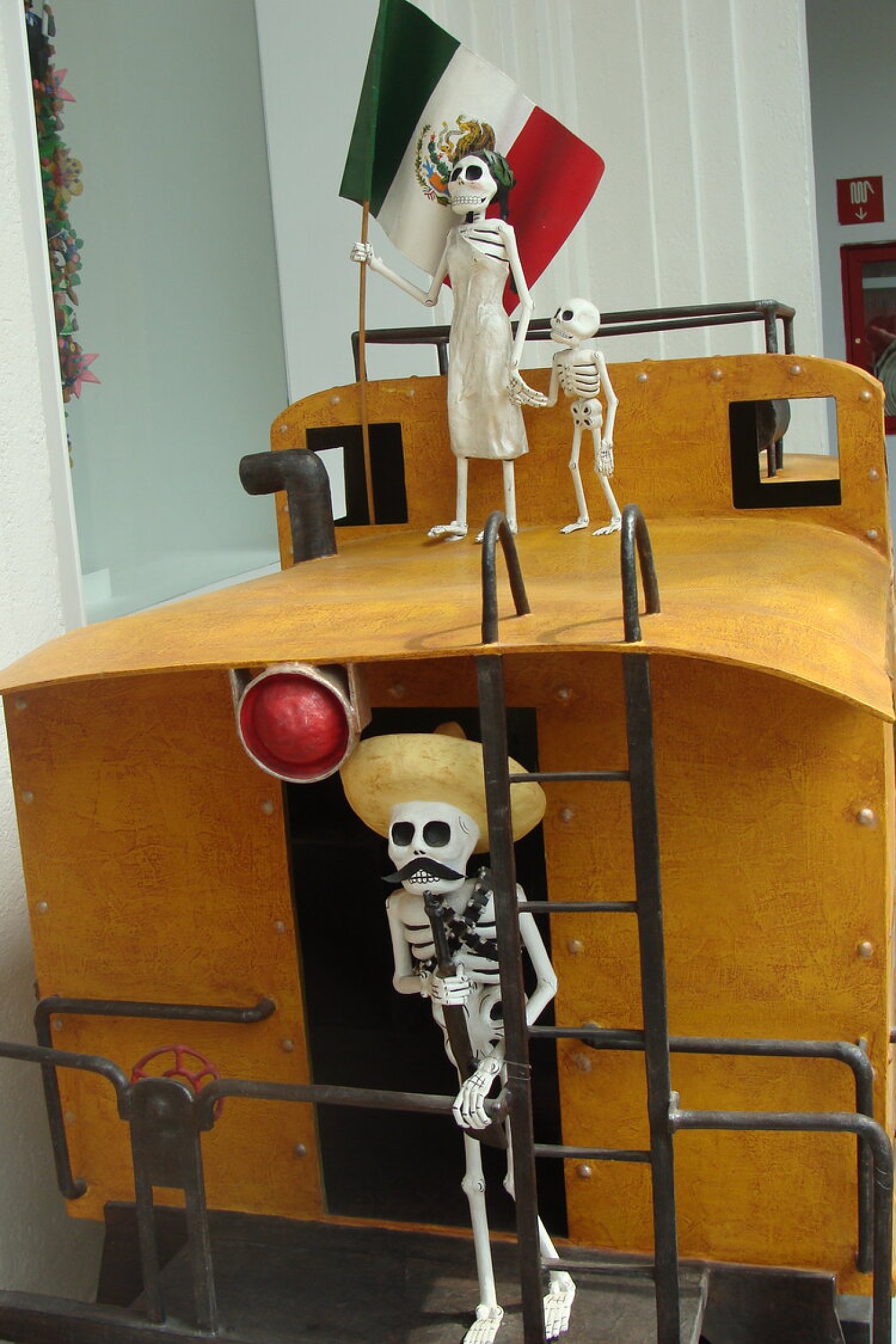
Museo de Arte Popular
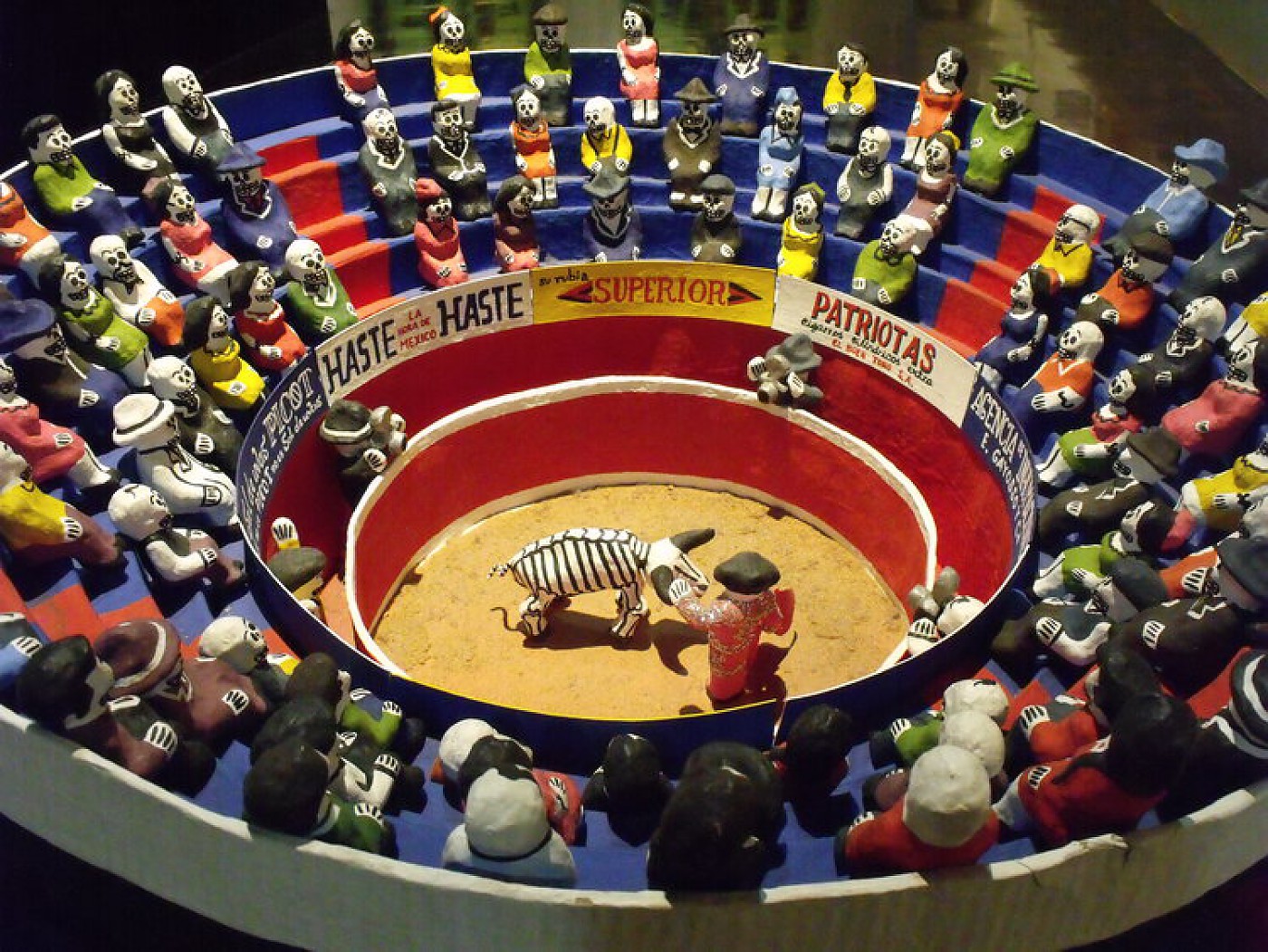
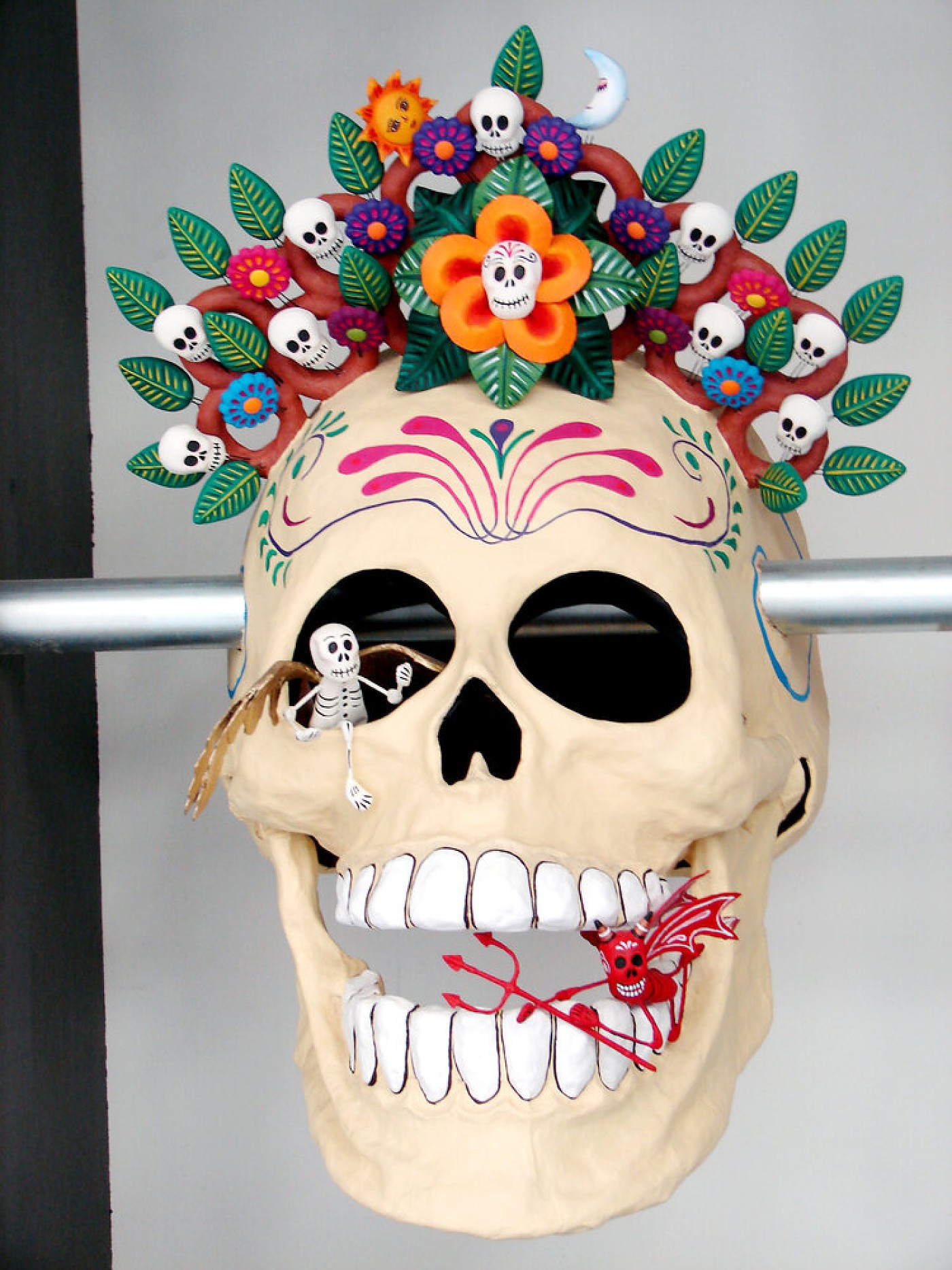
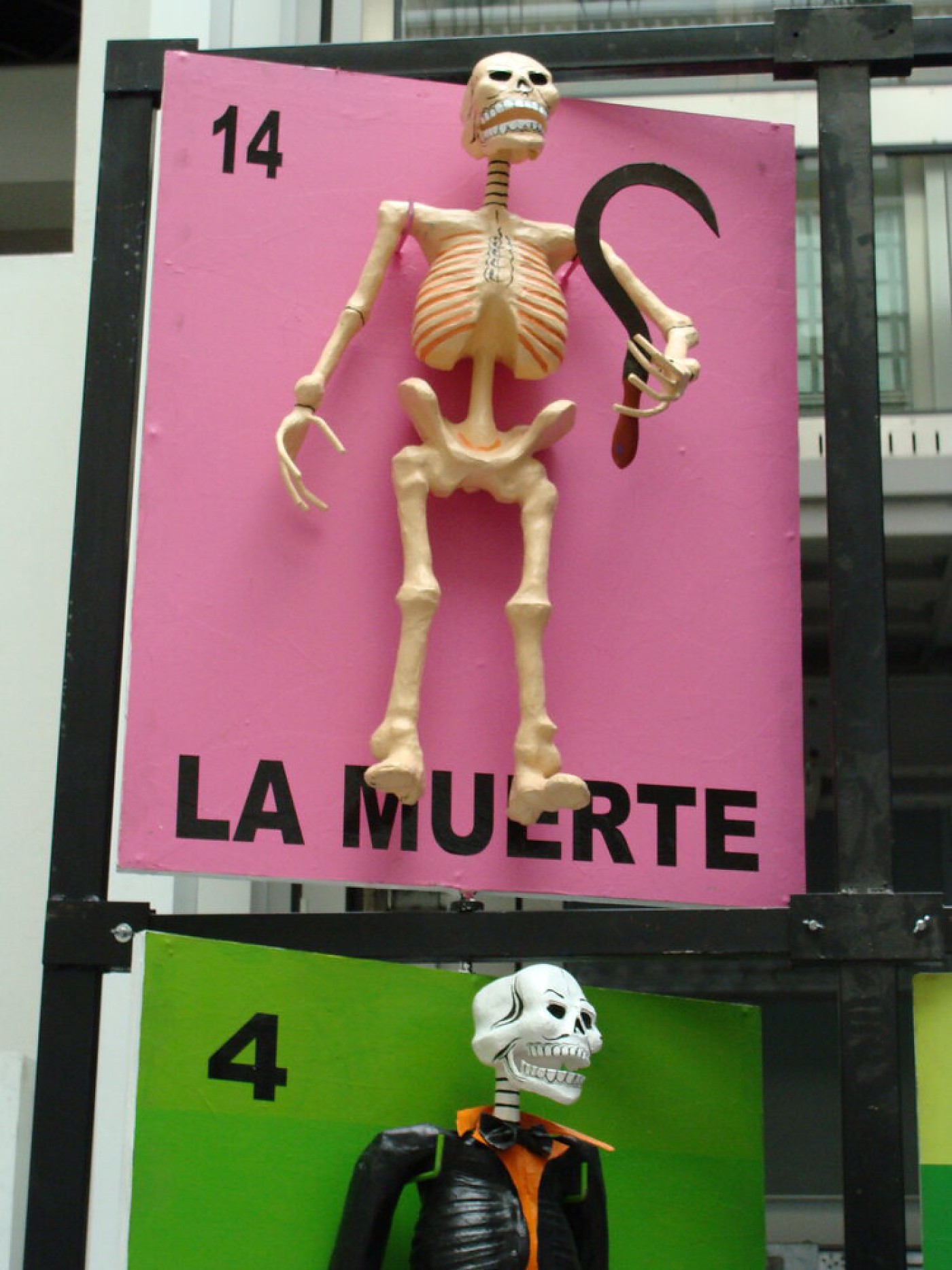
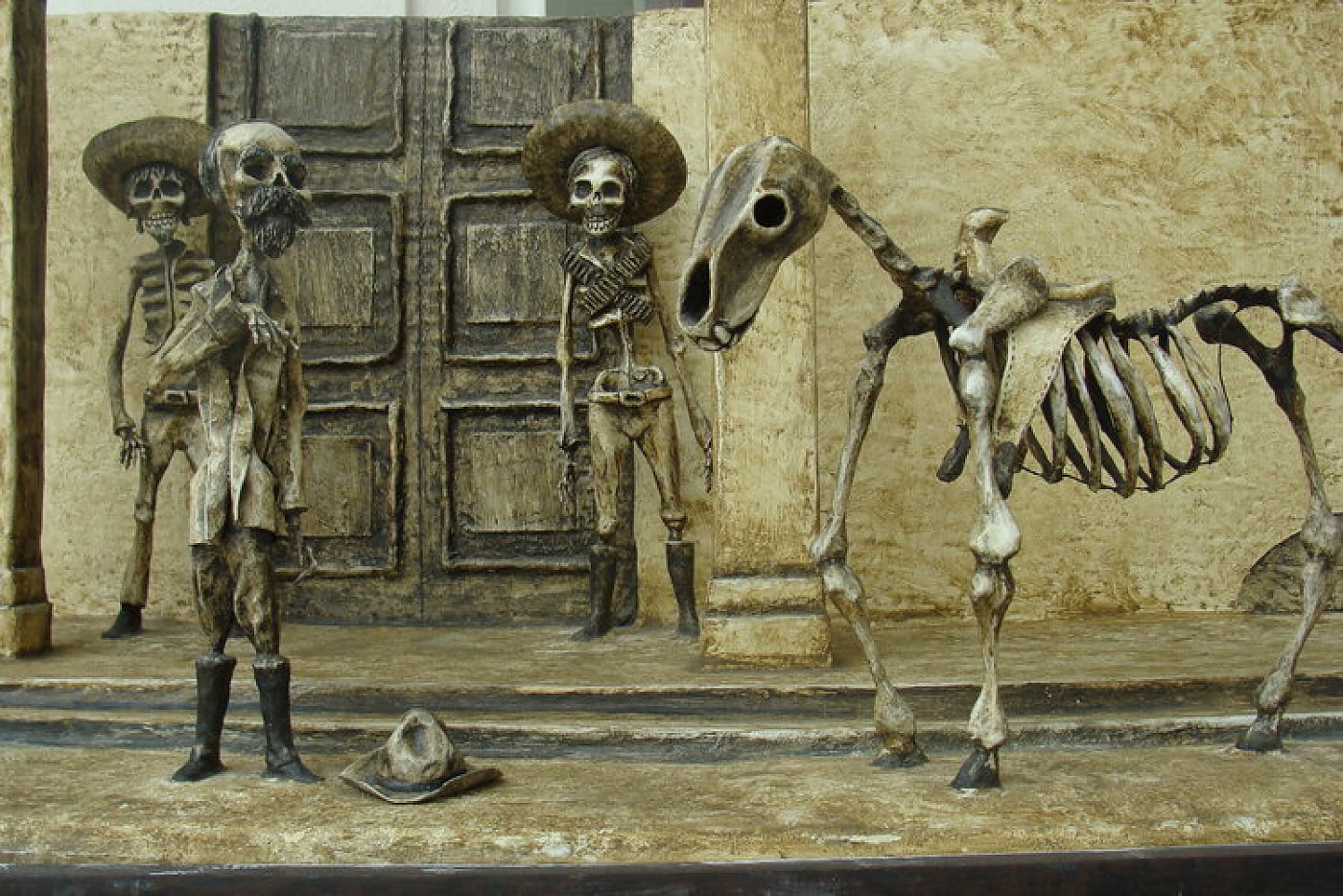
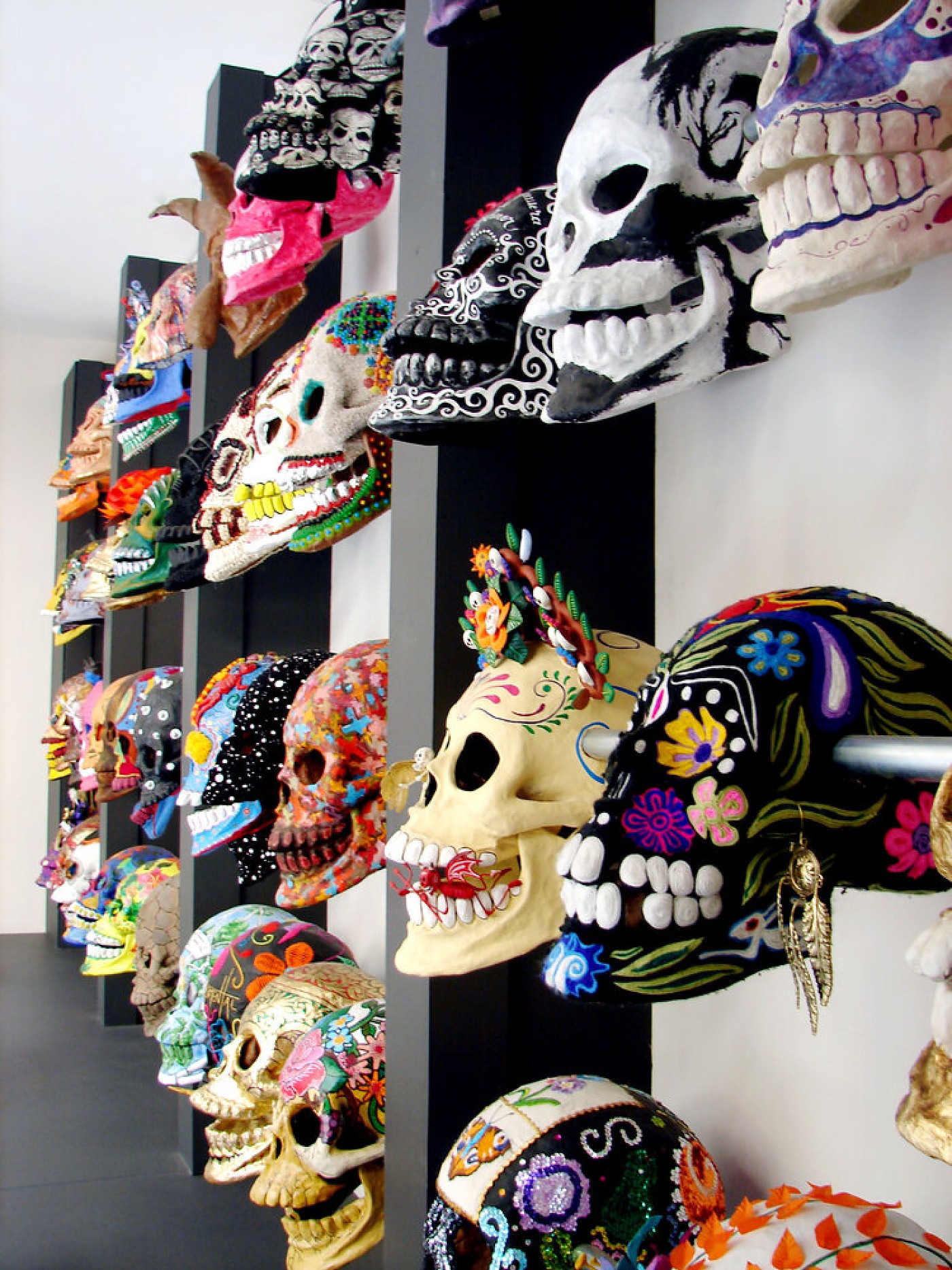
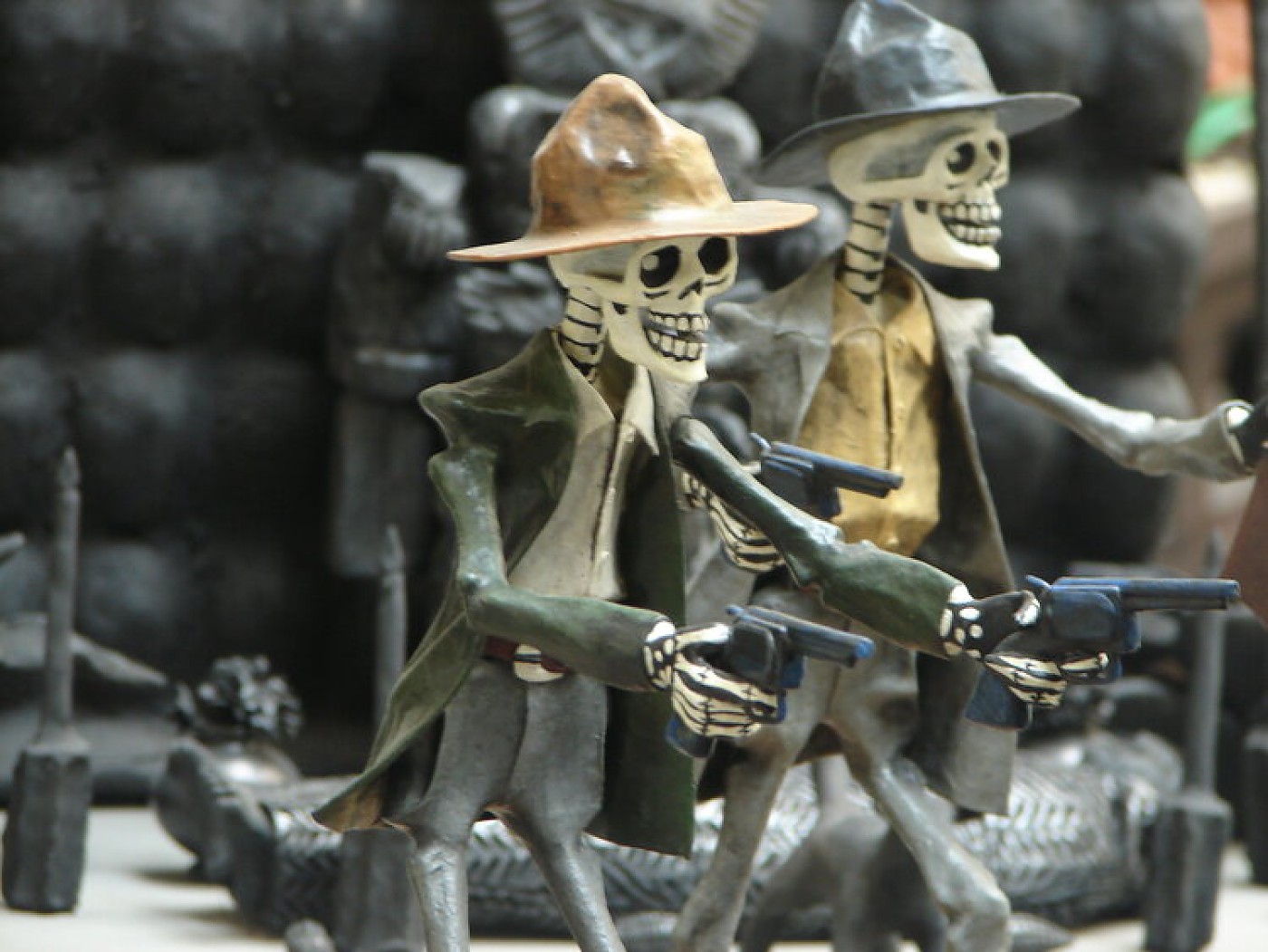
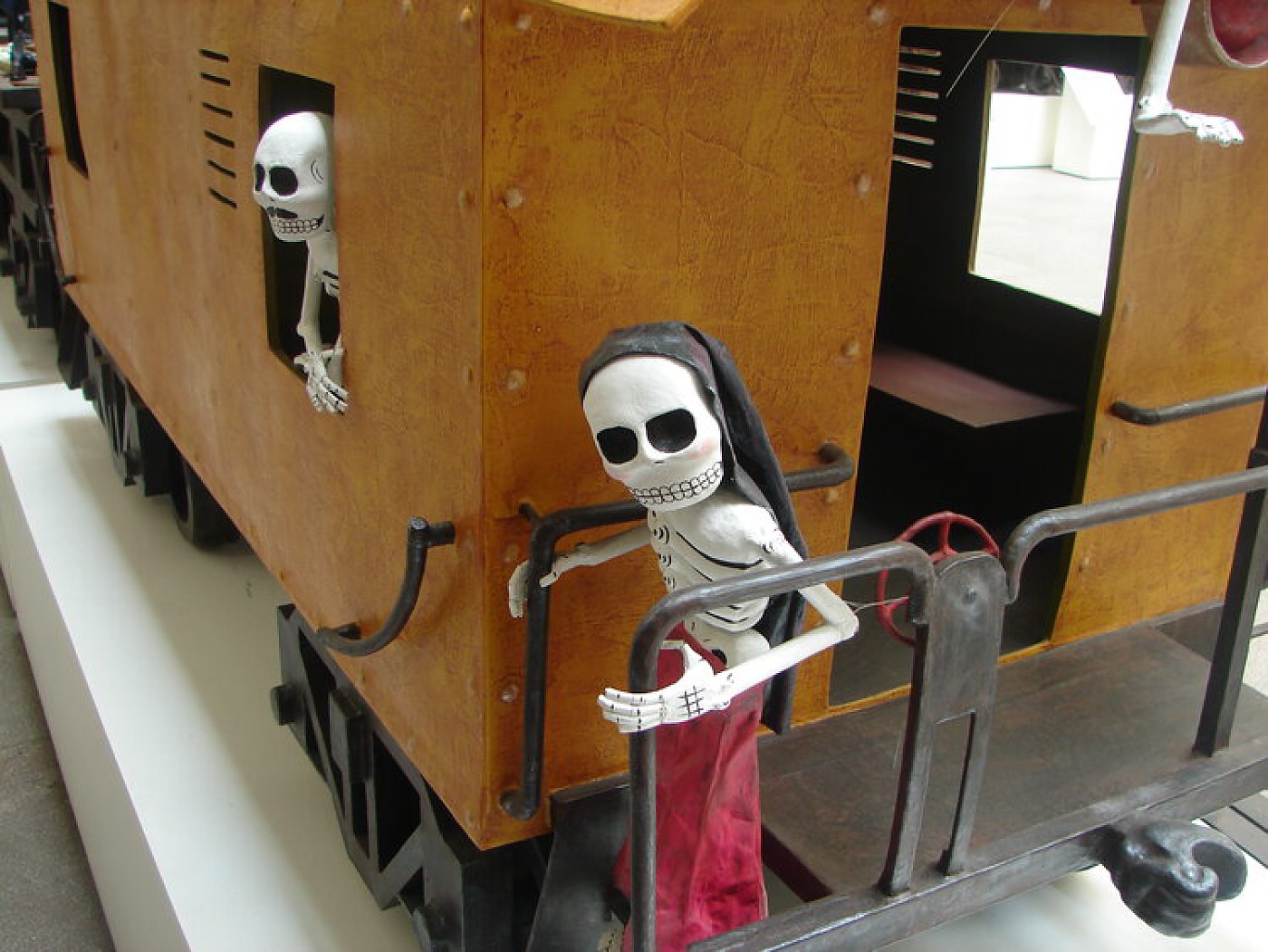
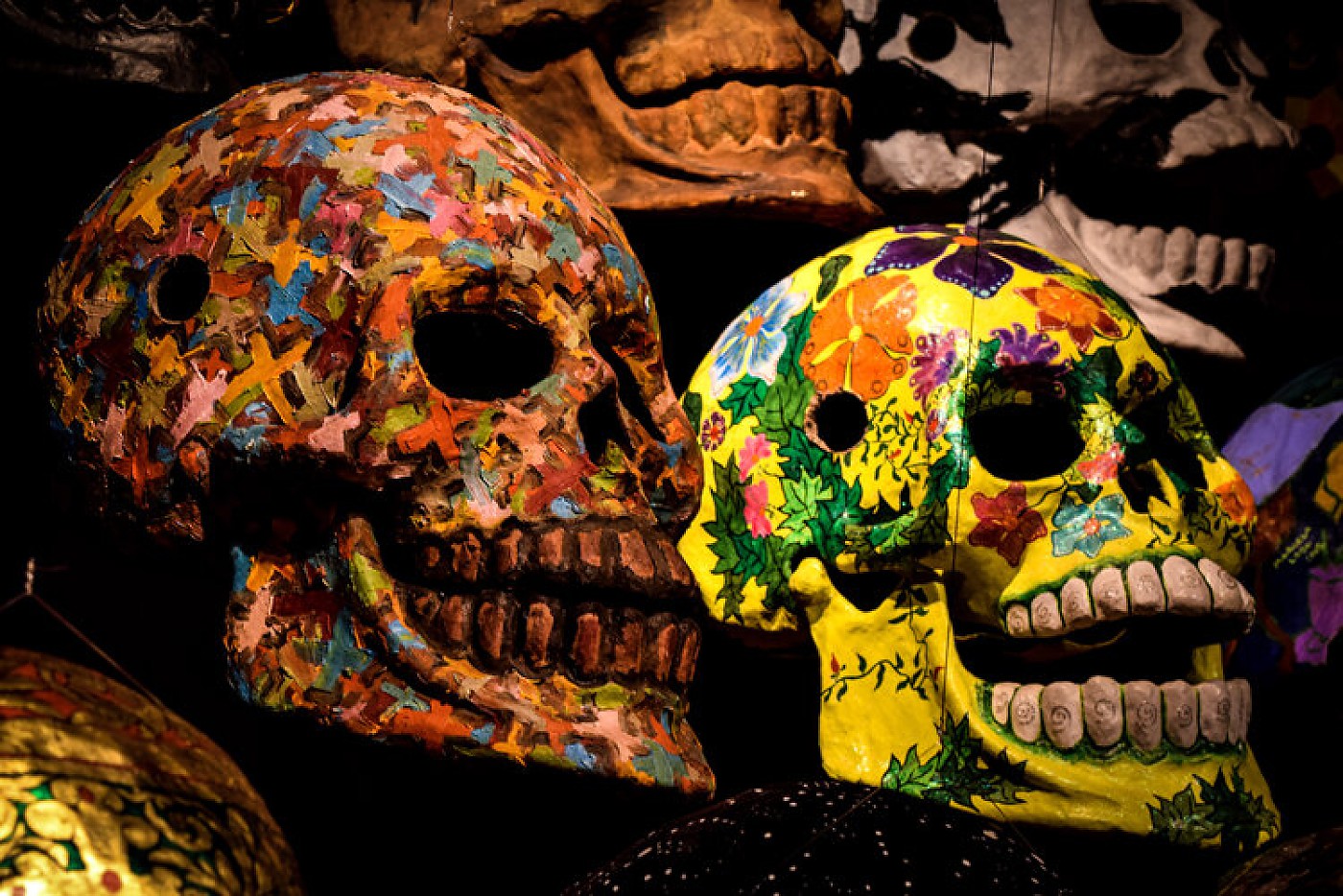
The Museum of Folk Art is an institution dedicated to the promotion and preservation of Mexican folk art. It is located in the historic centre of Mexico City. The museum houses a collection of carpets, pottery, vases, piñatas, alebrijes, furniture, toys, kitchen utensils, etc. However, the museum is best known as the sponsor of the annual Noche de Alebrijes parade, in which fantastic creatures are built on a monumental scale and then parade from the Zocalo to the Independence Monument to compete for prizes.
It was opened in March 2006 to become a reference point for Mexican handicrafts and to promote them in the country and to foreign tourists through workshops and other events. It also aims to honour handicrafts by restoring old works and promoting their creation both inside and outside the museum.
Museo de Arte Popular | Revillagigedo 11 | 06050 Ciudad de México | www.map.cdmx.gob.mx
Espanol
El Museo de Arte Popular es una institución dedicada a la promoción y conservación del arte popular mexicano. Se encuentra en el centro histórico de Ciudad de México. El museo alberga una colección de alfombras, cerámica, jarrones, piñatas, alebrijes, muebles, juguetes, utensilios de cocina, etc. Sin embargo, el museo es más conocido por ser el patrocinador del desfile anual de la Noche de Alebrijes, en el que se construyen criaturas fantásticas a escala monumental y luego desfilan desde el Zócalo hasta el Monumento a la Independencia para competir por los premios.
Se inauguró en marzo de 2006 para convertirse en un punto de referencia de la artesanía mexicana y promoverla en el país y entre los turistas extranjeros a través de talleres y otros eventos. También pretende honrar la artesanía restaurando obras antiguas y promoviendo su creación tanto dentro como fuera del museo.









Arbeitsgemeinschaft Friedhof und Denkmal e.V.
Zentralinstitut für Sepulkralkultur
Museum für Sepulkralkultur
Weinbergstraße 25–27
D-34117 Kassel | Germany
Tel. +49 (0)561 918 93-0
info@sepulkralmuseum.de