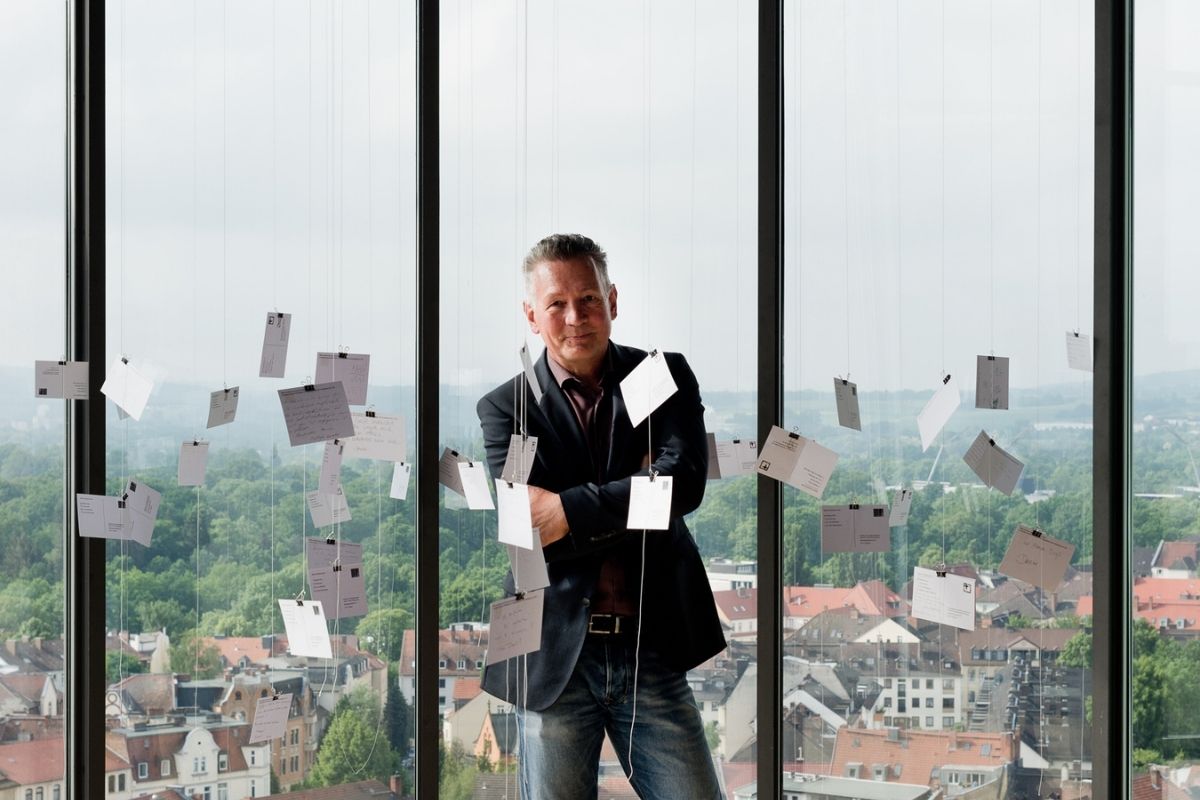
Stefan Brunner from Grün Stadt Zürich on freedom and needs in the funeral industry
In Switzerland, funeral arrangements have been regulated at the municipal level since the 19th century. This gives municipalities considerable leeway. For example, residents of Zurich can be buried free of charge. And ashes can be scattered at will in their own garden or on a mountain. We spoke with Stefan Brunner from Grün Stadt Zürich (Zurich's Parks and Green Spaces Department) about this freedom of burial and how people are embracing it.
In Zurich, it is permitted to take the urn home or scatter the ashes in one's own garden, for example. How many people take advantage of this?
We estimate that between 15 and 20 percent of the deceased are not laid to rest in a cemetery. Of course, we don't know where the urn ultimately ends up. It could sit on the mantelpiece for two years and then be taken to a cemetery, for example, if a partner dies and the couple wishes to be buried together.
Why do people want to keep the ashes with them?
This wasn't systematically surveyed. Although we have free burials in the Canton of Zurich, there are still certain fees that users may incur and might want to avoid. One aspect is certainly the desire for a personal location. Perhaps a river or a mountain that is close to them, or their own garden, where they would like their ashes scattered. This is usually not the wish of the relatives, but rather that of the deceased themselves.
Can you relate to that personally?
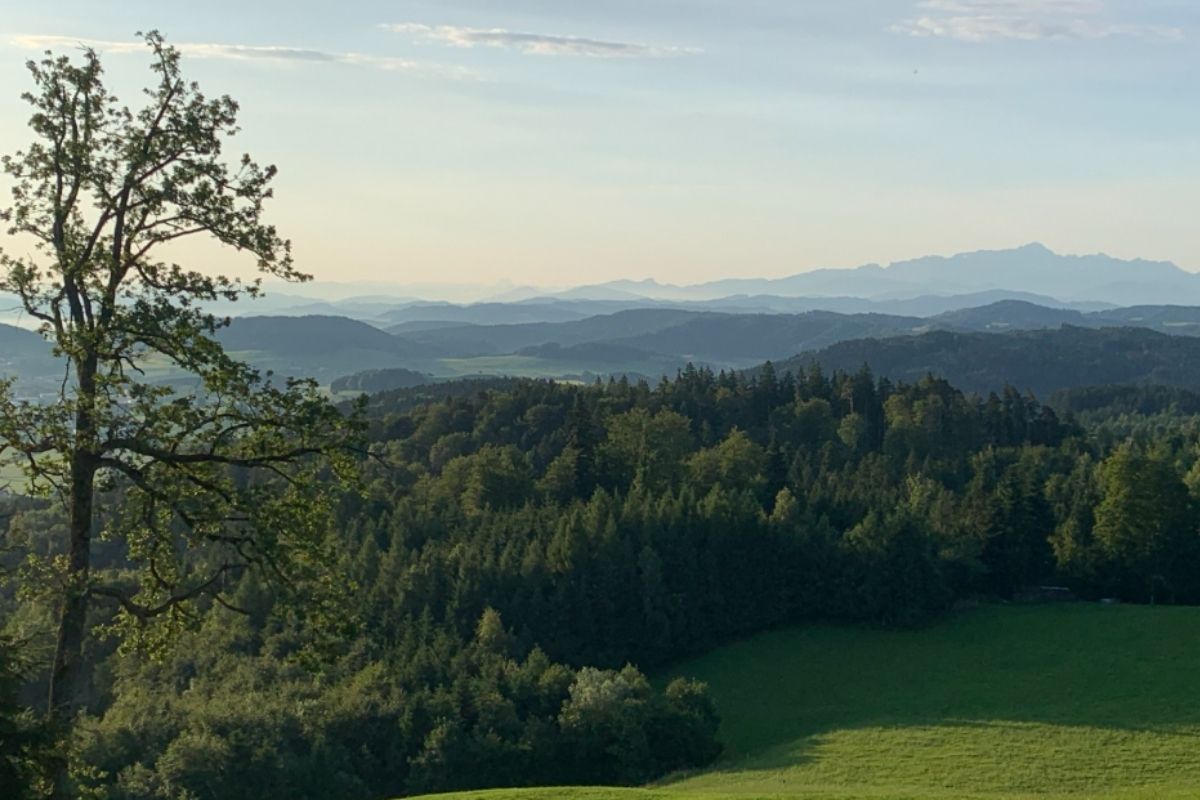
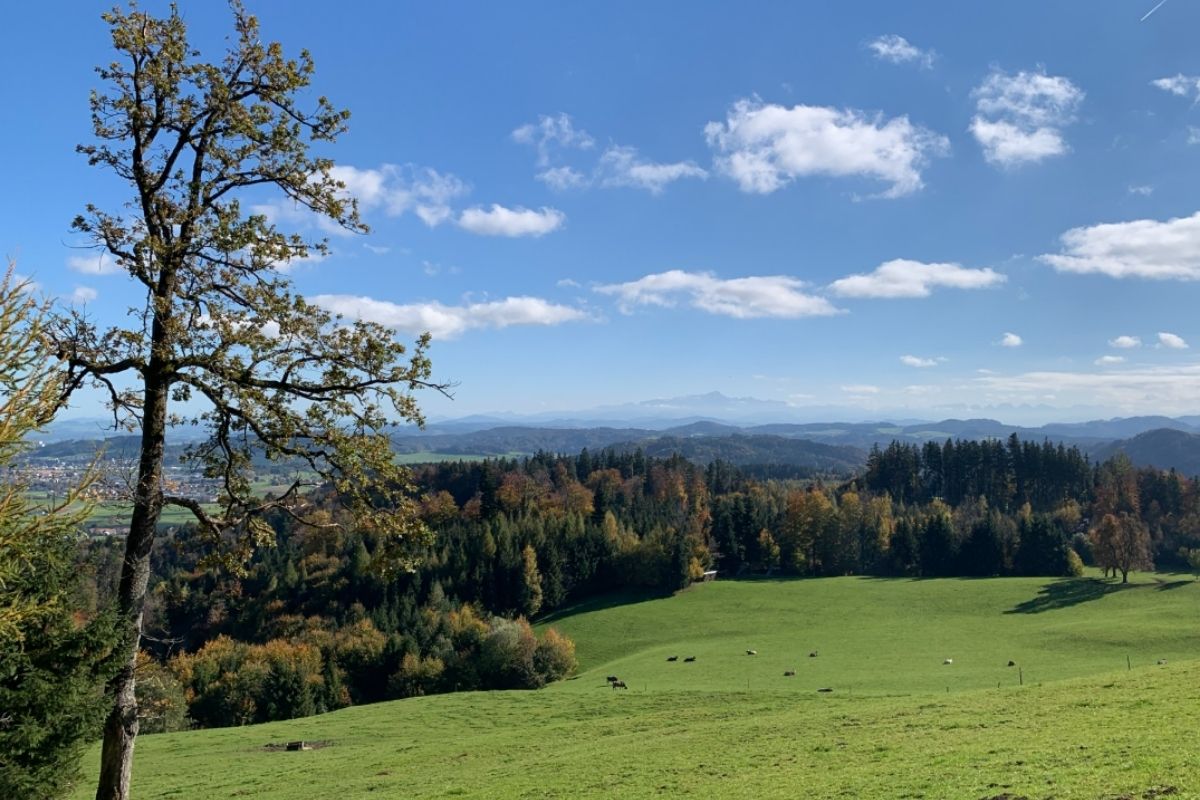
When I talk about myself, I say that a handful of my ashes should end up at Haselberg, a favorite spot of mine. But the majority should remain in the village cemetery where I live. I haven't discussed this in detail with my family yet. But my friends and family know exactly where my favorite place is, and I imagine it might be difficult to drag myself up the hill when I'm older. When people decide where they want to be buried while they're still alive, it's final. In Zurich, I can register my wishes, and in the event of my death, this will be announced through the civil registry office. We currently have about 20.000 advance directives stored there.
From this, one can conclude that there is a need for freedom.
Yes, it's always a shame when people aren't informed. What options are left for relatives if they have to sell the house in whose garden a family member is buried?
In Zurich, coffins, cremations, and burial plots are free of charge. This has been the case since 1891. Despite this, burials in cemeteries have declined. How do you explain this?
Traditions are less important: the cemetery is no longer seen as the only burial option. This has a lot to do with individualization and the desire not to be a burden on anyone. We also observe this need for individualization within the cemetery itself. We currently have an exciting project where people can use urn niches in a wall in the cemetery. Registration is required, but it's free. There, one can commemorate someone whose grave no longer exists or who was buried elsewhere in the world. So, regardless of physical remains, I can consciously think of my grandmother or grandfather, who are mentioned by name there. Around 50 people have already reserved a space. This helps to maintain the cemetery as a place of remembrance. And because it's a project, it doesn't even require a change to the fee schedule or any law.
Stefan Brunner is a landscape gardener with a master gardener's certificate in garden and landscape construction. He currently works as a product manager at Grün Stadt Zürich, a department of the Zurich city administration responsible for the maintenance, design, and management of public green spaces in Zurich. He also heads the Cemeteries Working Group of the Swiss Association of Cemetery Administrators (VSSG). At the 2026 Cemetery Administrators' Conference, he will speak on the topic of "Making Cemeteries Interesting – Experiences from Cemeteries in Switzerland."
Text: Anna Lischper