
Death and Mourning 1914-1918
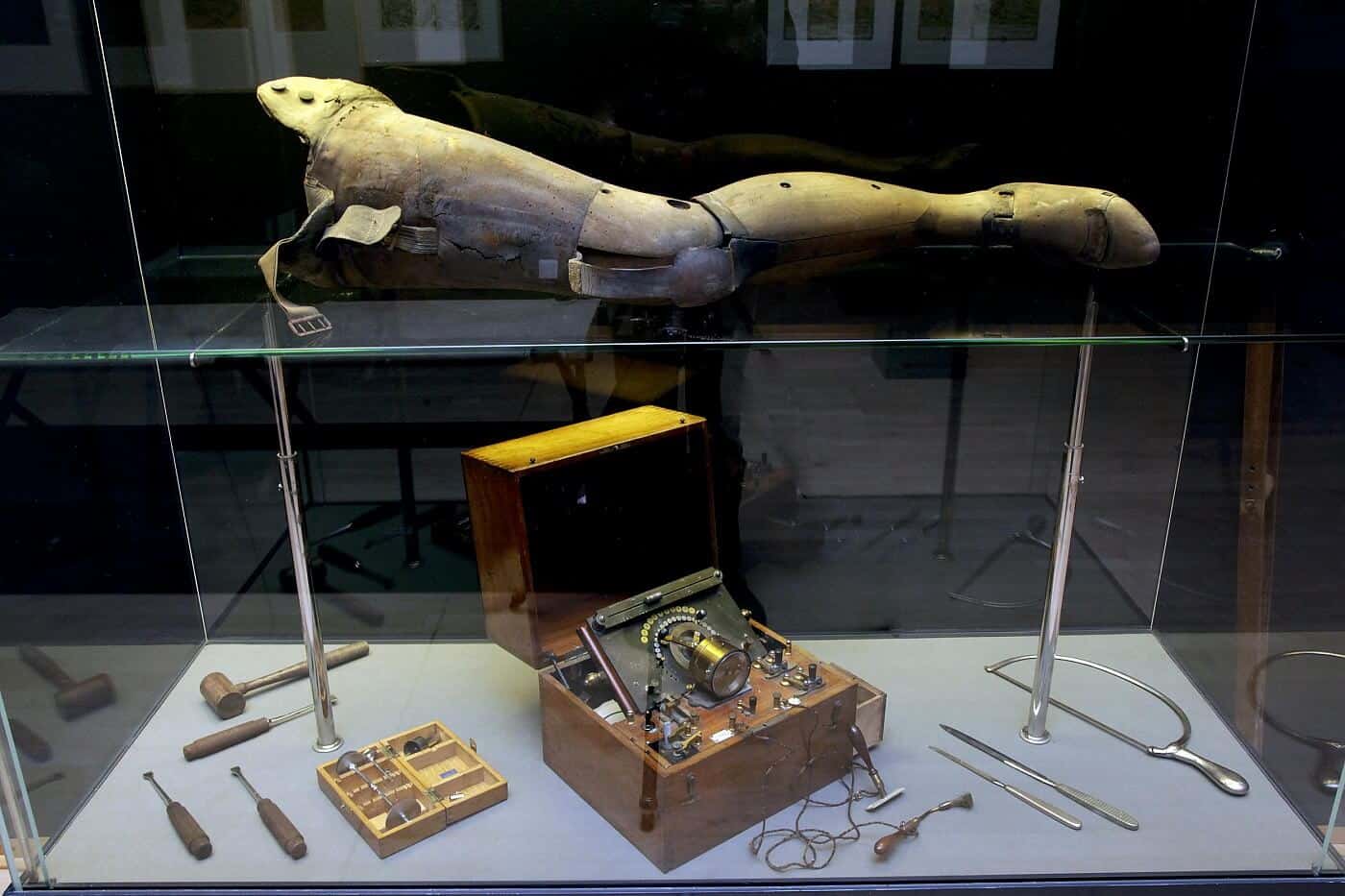
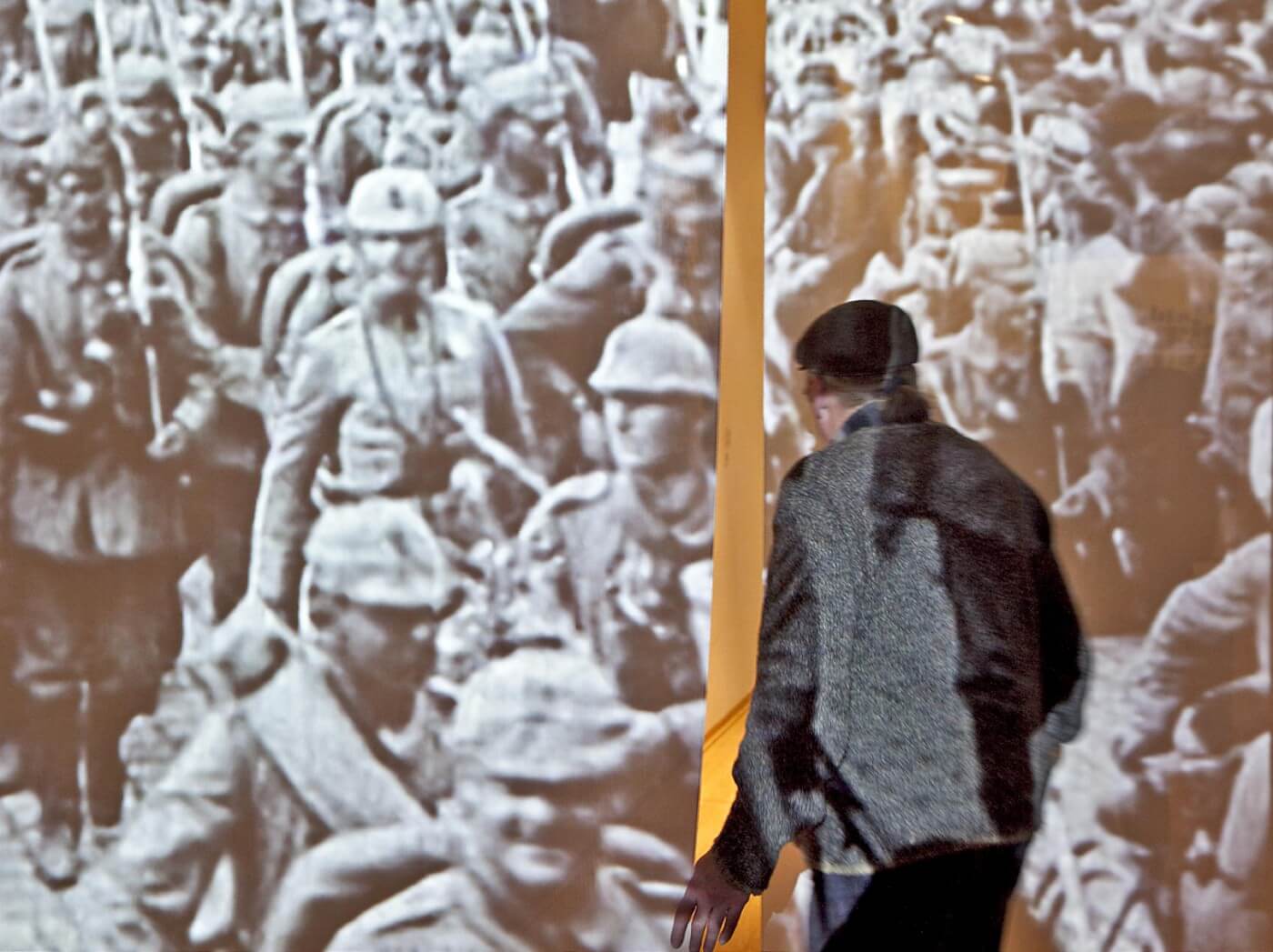
One hundred years ago, the population of Europe was confronted with a previously unimaginable scale of killing, dying, and suffering. While millions of soldiers died on the battlefields of the First World War, hundreds of thousands of civilians perished at home from hunger and disease.
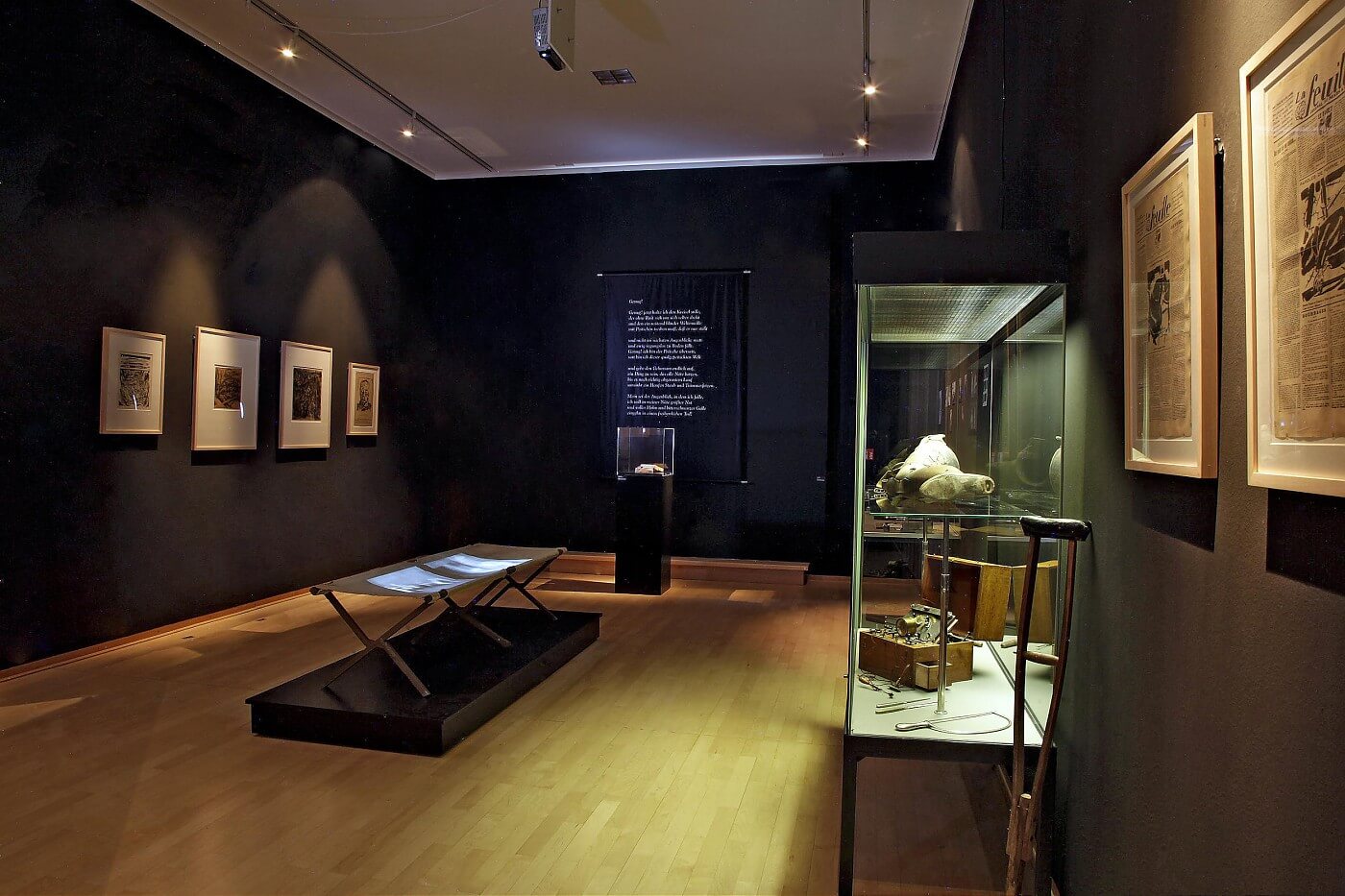
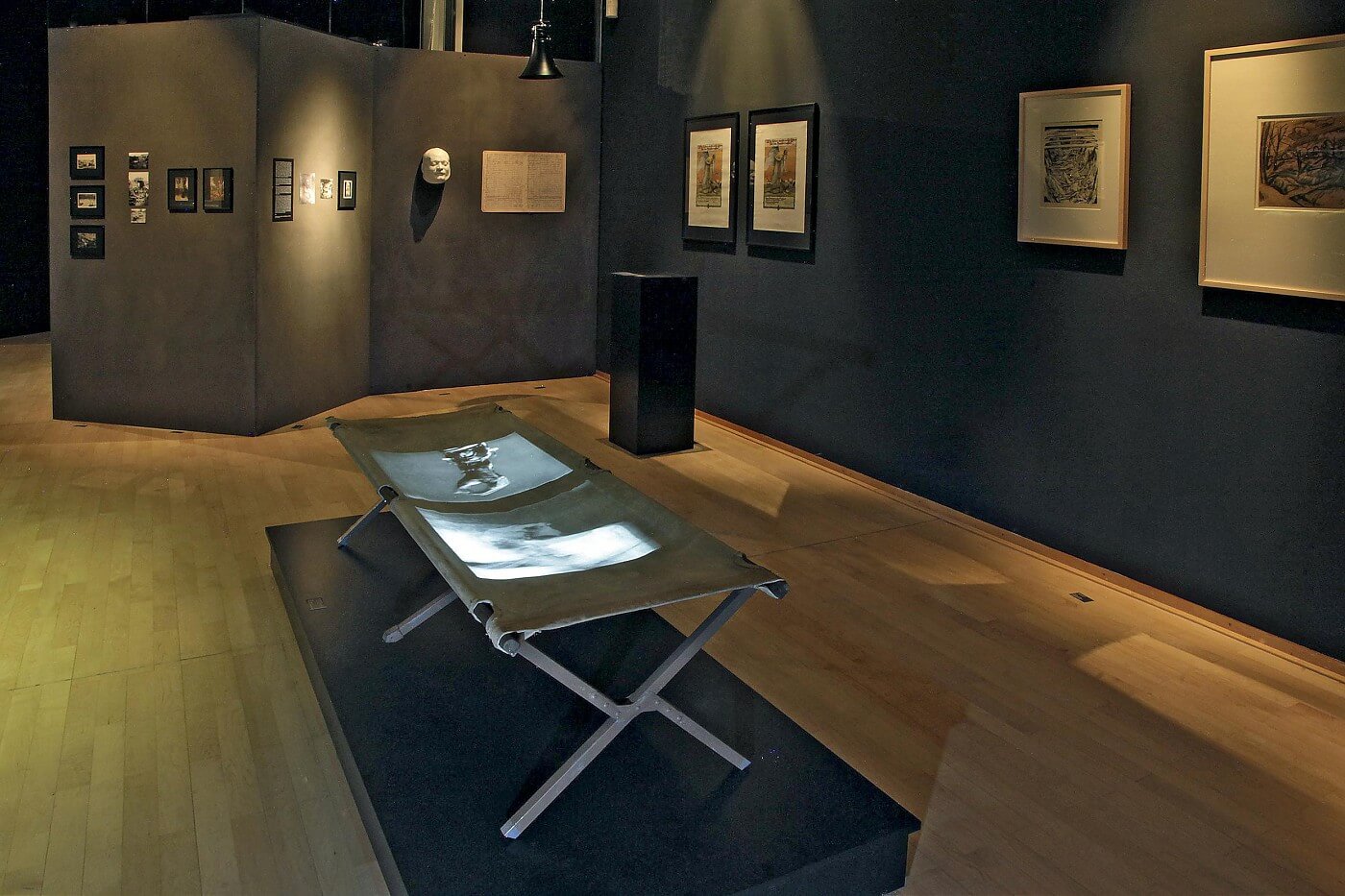
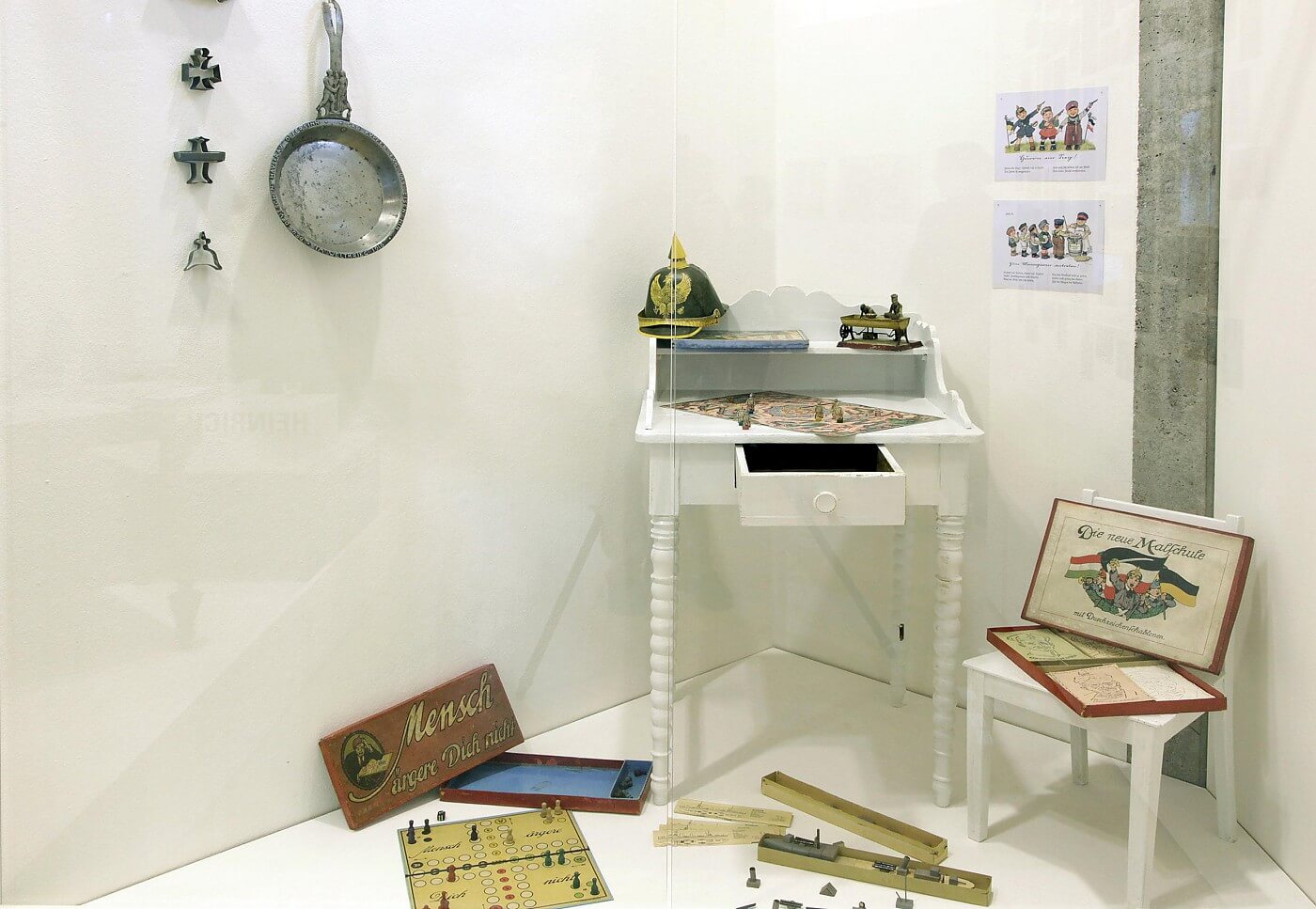
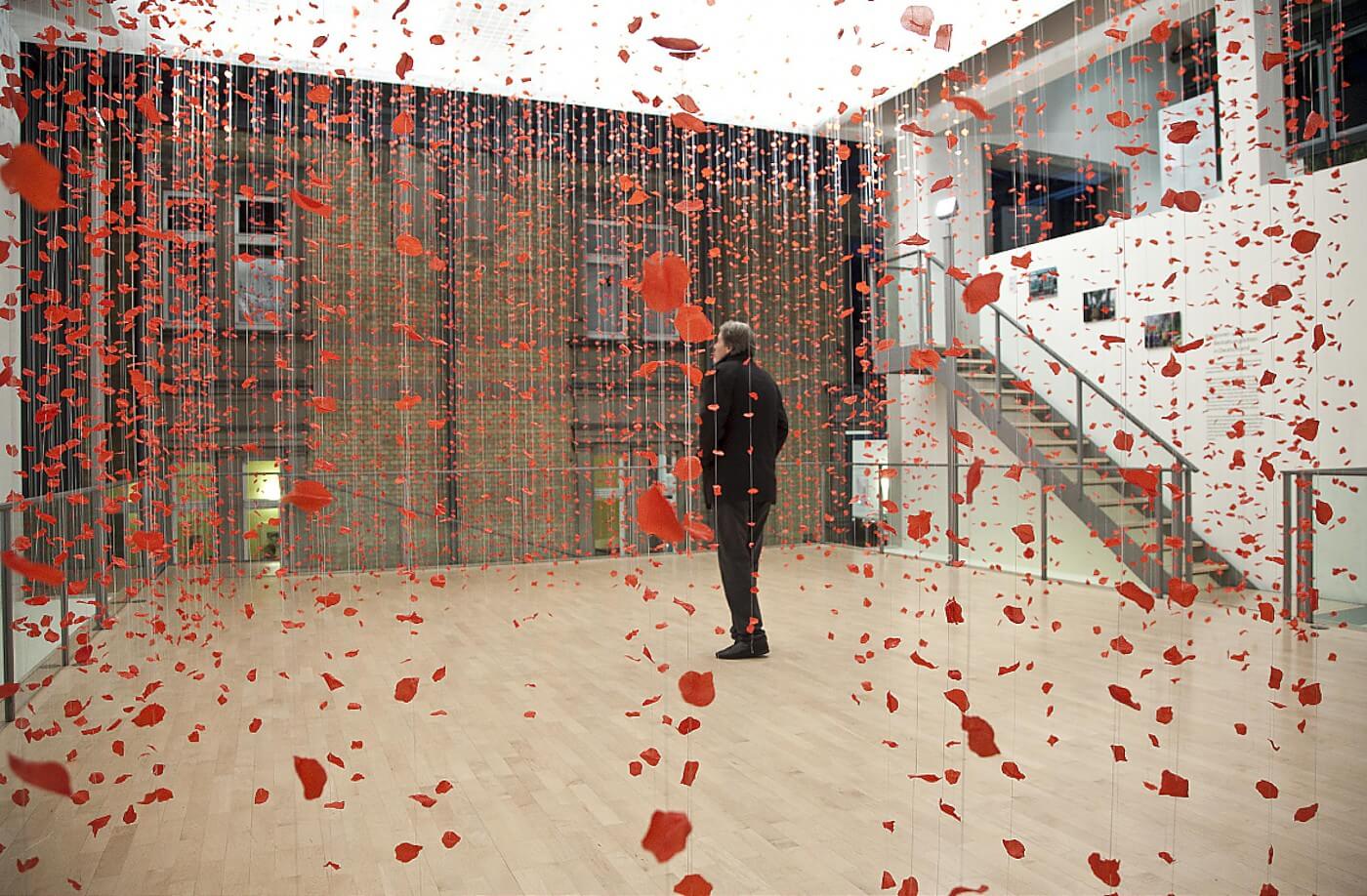
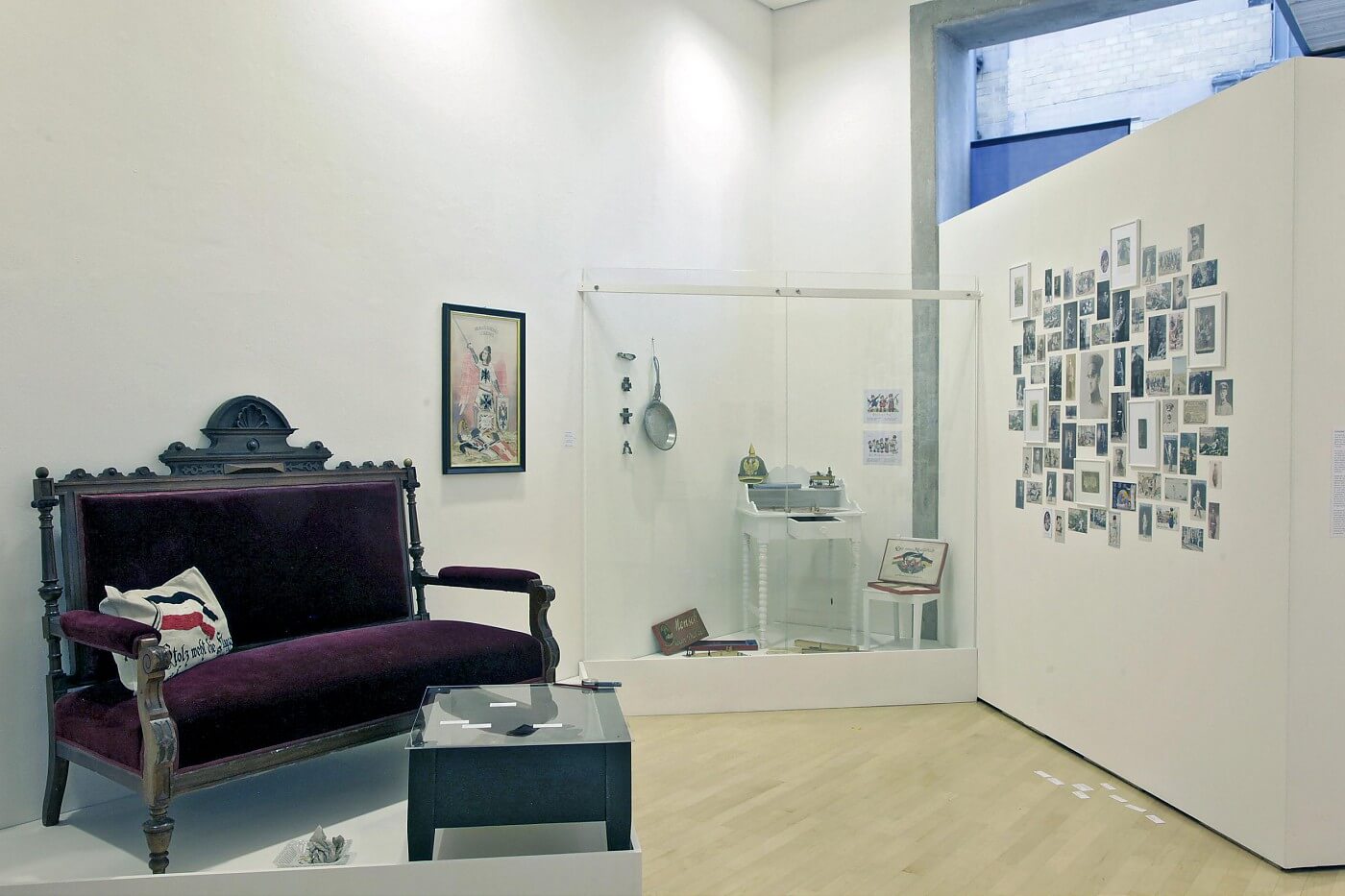
The joint exhibition, a collaboration between the AsKI institutes – the Academy of Arts, Berlin with its affiliated Kempowski Bioarchive, the Buddenbrook House, the Heinrich and Thomas Mann Center Lübeck, the German Literature Archive Marbach, the German Film Archive Berlin, the Max Reger Institute Karlsruhe, the Museum of Bread Culture Ulm, and the Museum for Communication Berlin – explored how people in Germany coped with these horrific experiences between 1914 and 1918, how they reacted to the catastrophe both officially and privately, how artists and ordinary citizens attempted to process the trauma, how writers interpreted the events, and which media and means were used to articulate the divergent attitudes, feelings, and intentions.
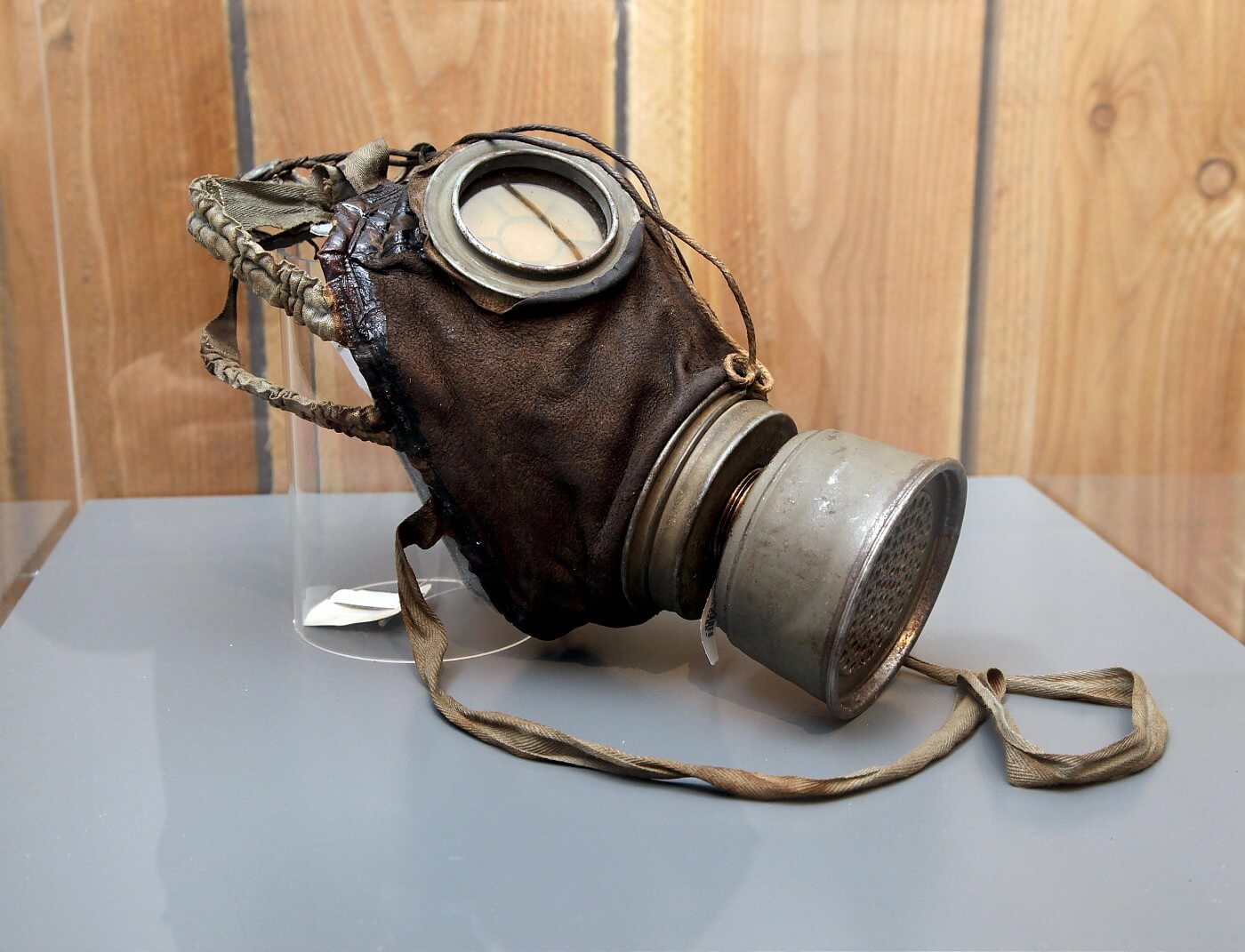
All the exhibits and artifacts in the exhibition originate from the four years of the war. They reflect, unfiltered, the reactions of individuals to what they experienced during this time, or to what they were told or told. It is above all the immediate, the spontaneous, that speaks from many everyday objects of the time, and this is also evident with impressive clarity in the works of artists, writers, and musicians. The collection items contributed by the AsKI Institutes to the exhibition therefore resonate in a completely different way.
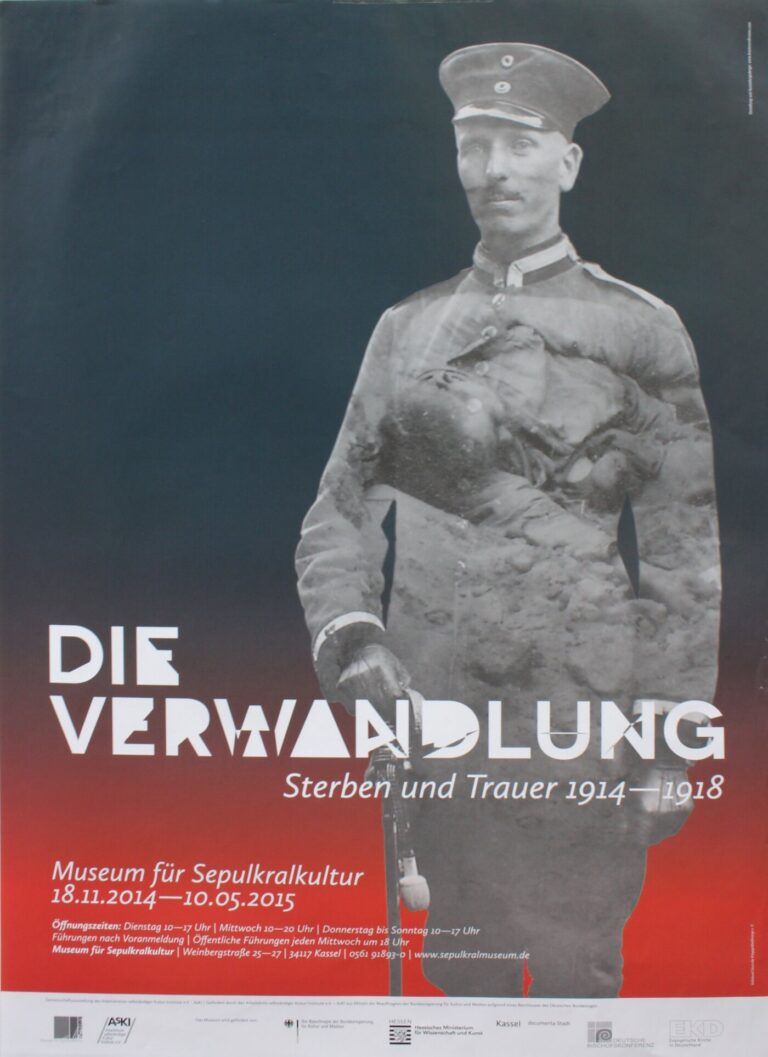
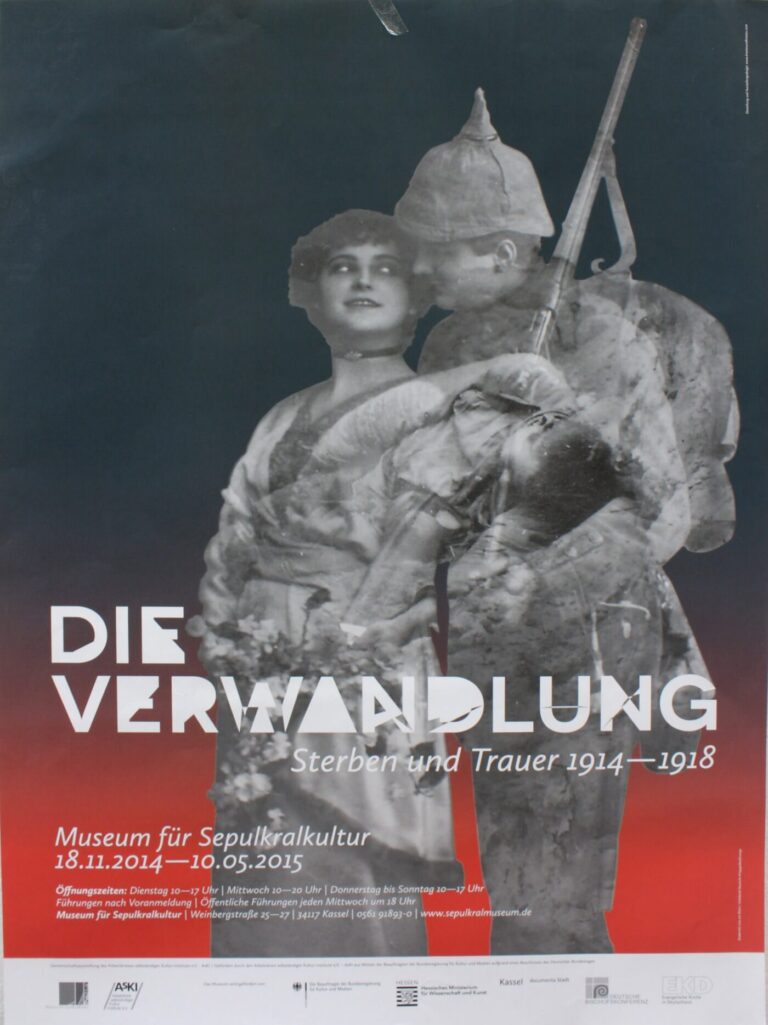
After four years of war, the world was no longer the same. The transformation was radical. It encompassed everything and affected everyone: people, society, politics, the media, technologies, landscapes, and maps.
The transformation, the metamorphosis as a recurring metaphor, is intended to encourage visitors to search for such changes. What were the moods at the beginning of the war? What were people's desires, hopes, and fears, and how did their experiences alter their perceptions? Where were there continuities, and where were there breaks in the narrative structures? How did people cope with the mechanization of killing and the everyday occurrence of death and suffering? An approach to understanding these questions is to be facilitated by starting with individuals and their perspectives on specific events.
The following were represented in the exhibition:
Max Beckmann (magazine "Kriegszeit"), Otto Dix, George Grosz, Josef Hegenbarth, Willi Jäckel, Ernst Jünger, Franz M. Jansen, Heinrich Mann (audio), Thomas Mann (audio), Frans Masereel (magazine "la feuille"), Max Reger, Waldemar Rösler (magazine "Kriegszeit"), Gustav Sack, Alois Wach
Curator of the exhibition
Gerold Eppler and Stefanie Hamann (Museum of Sepulchral Culture)
Design and exhibition design
Jessica and Milen Krastev, Kassel
The exhibition was funded by the Association of Independent Cultural Institutes (AsKI) with funds from the Federal Government Commissioner for Culture and the Media based on a resolution of the German Bundestag.