
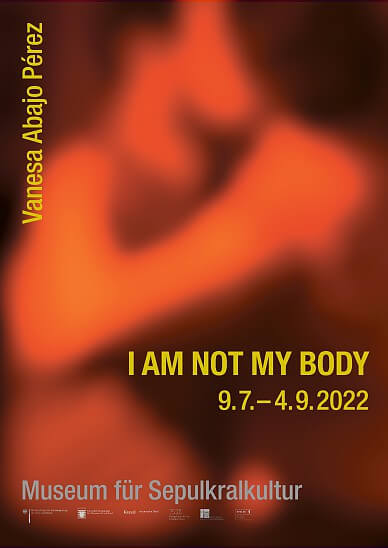
I AM NOT MY BODY
Cabinet exhibition in the rotunda
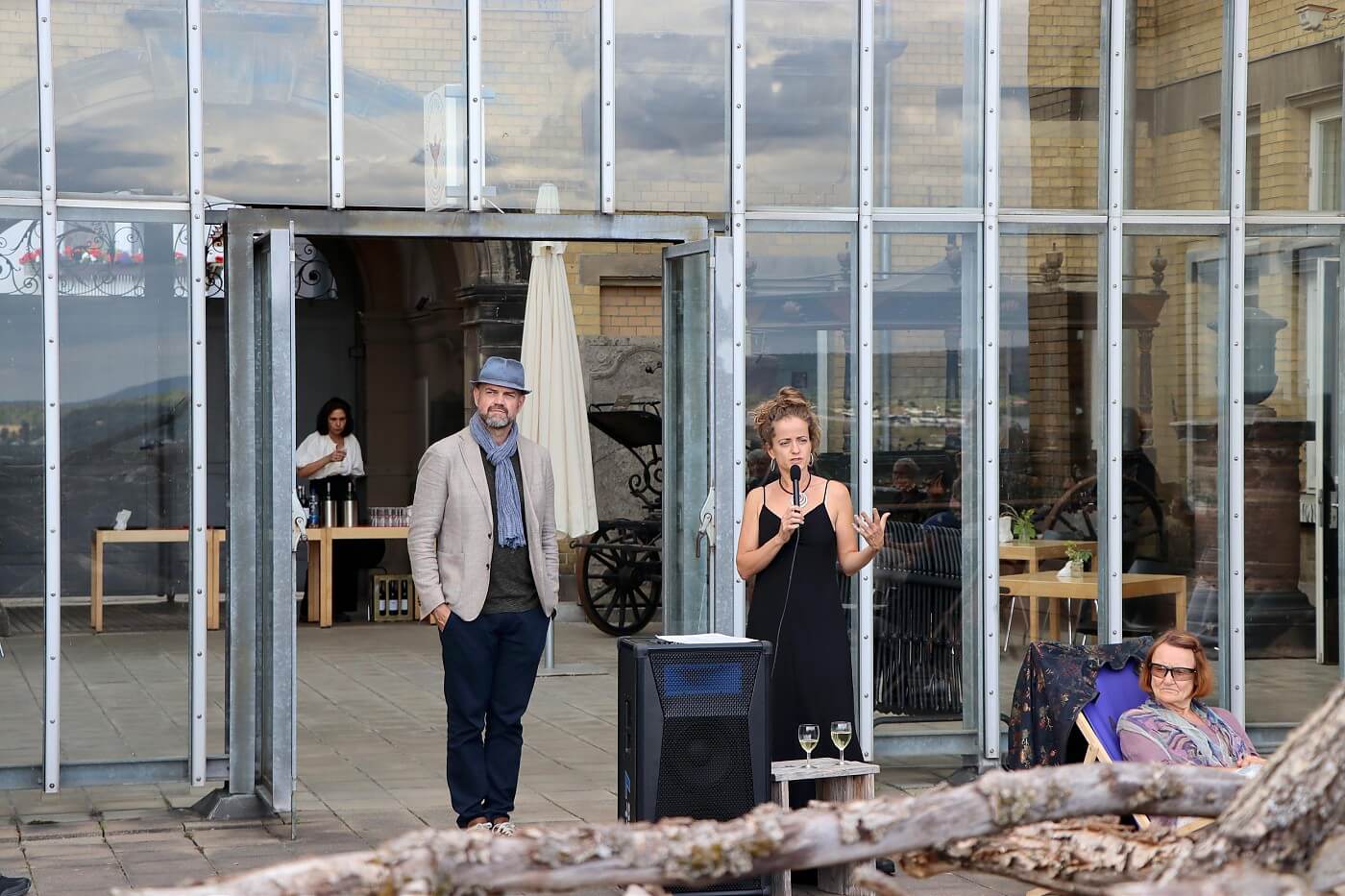
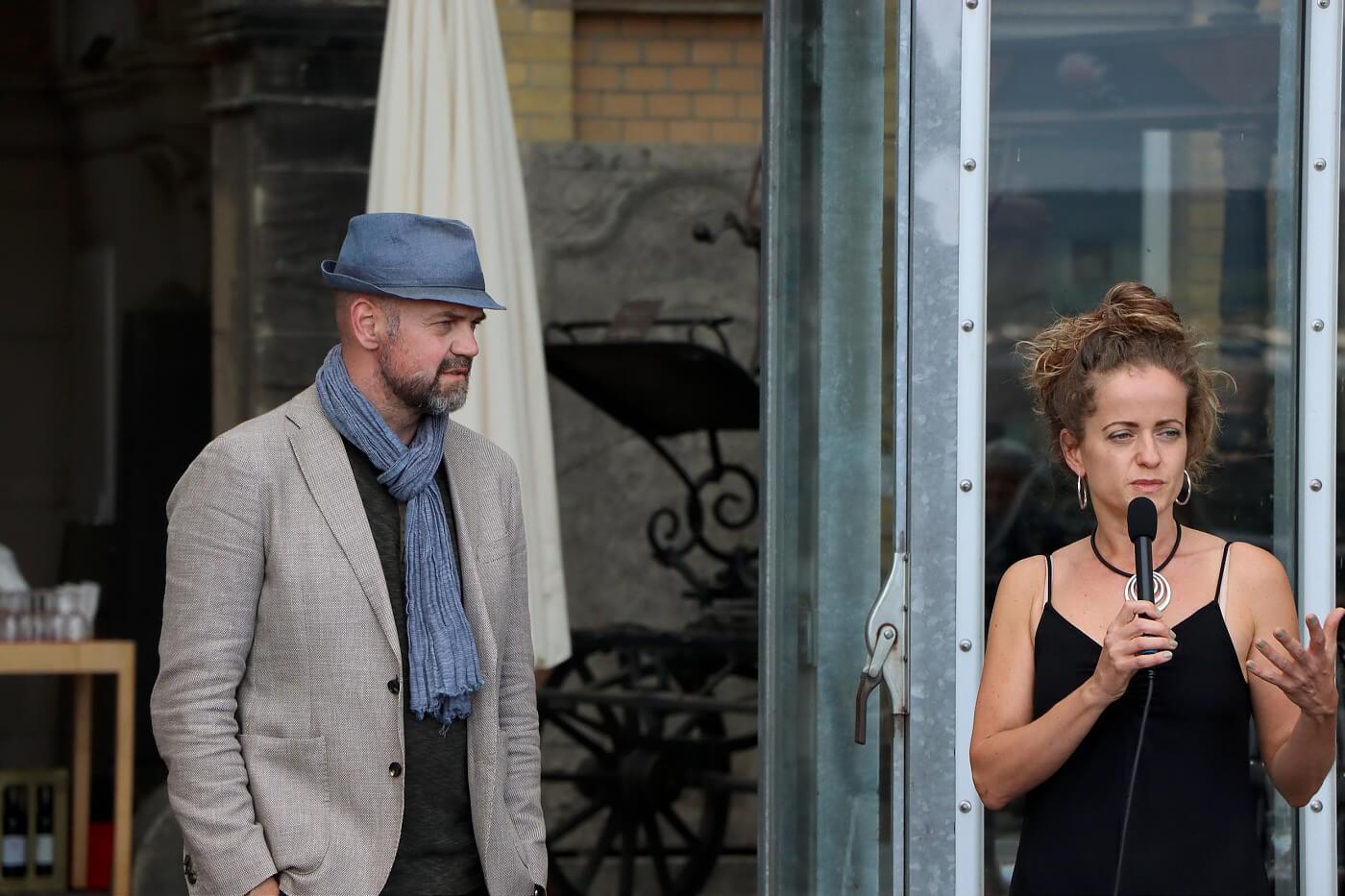
Opening on July 8th | 19:00 PM
Death approaches, time stands still, the human disappears, objects come to life.
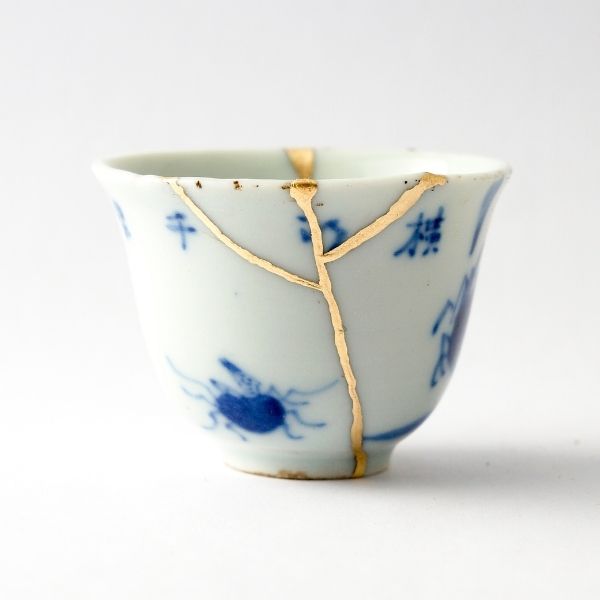
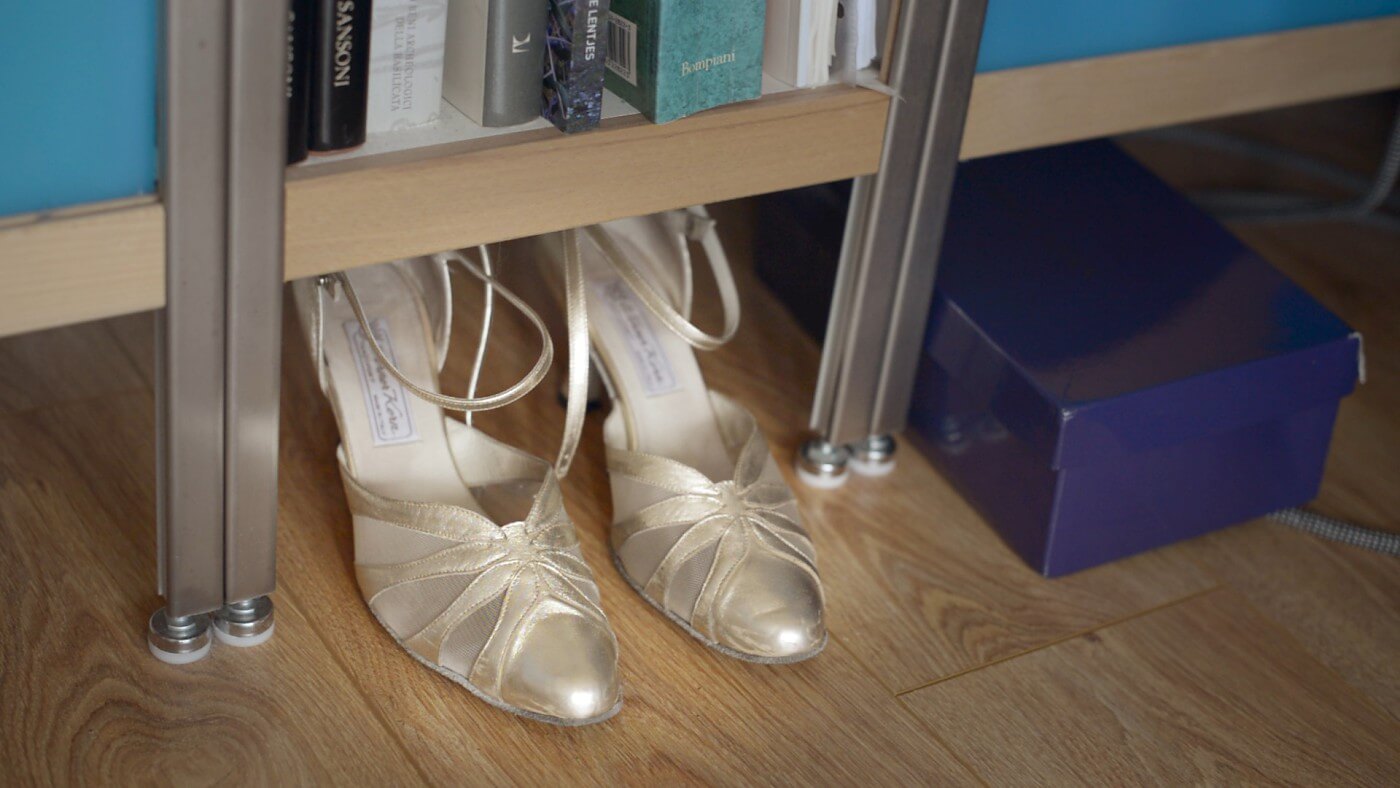
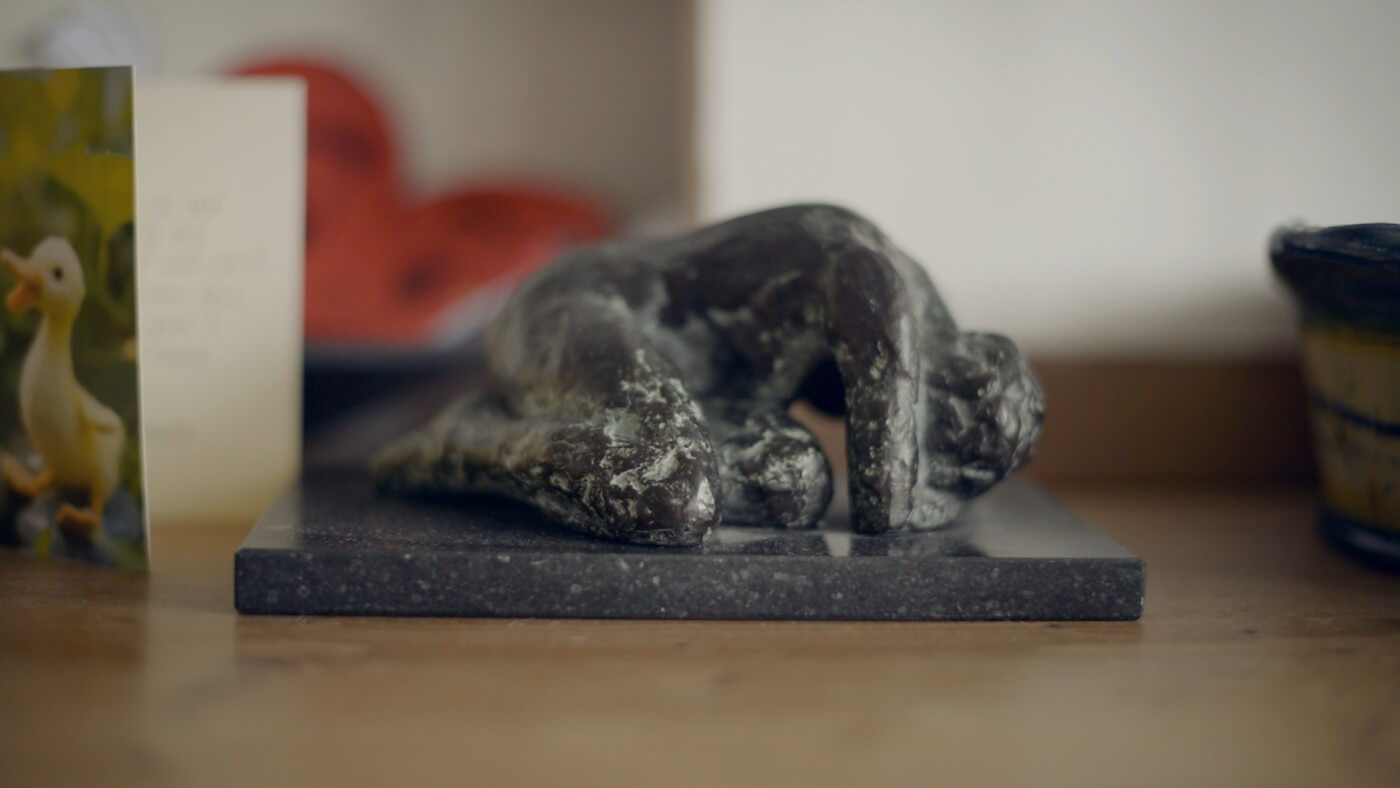
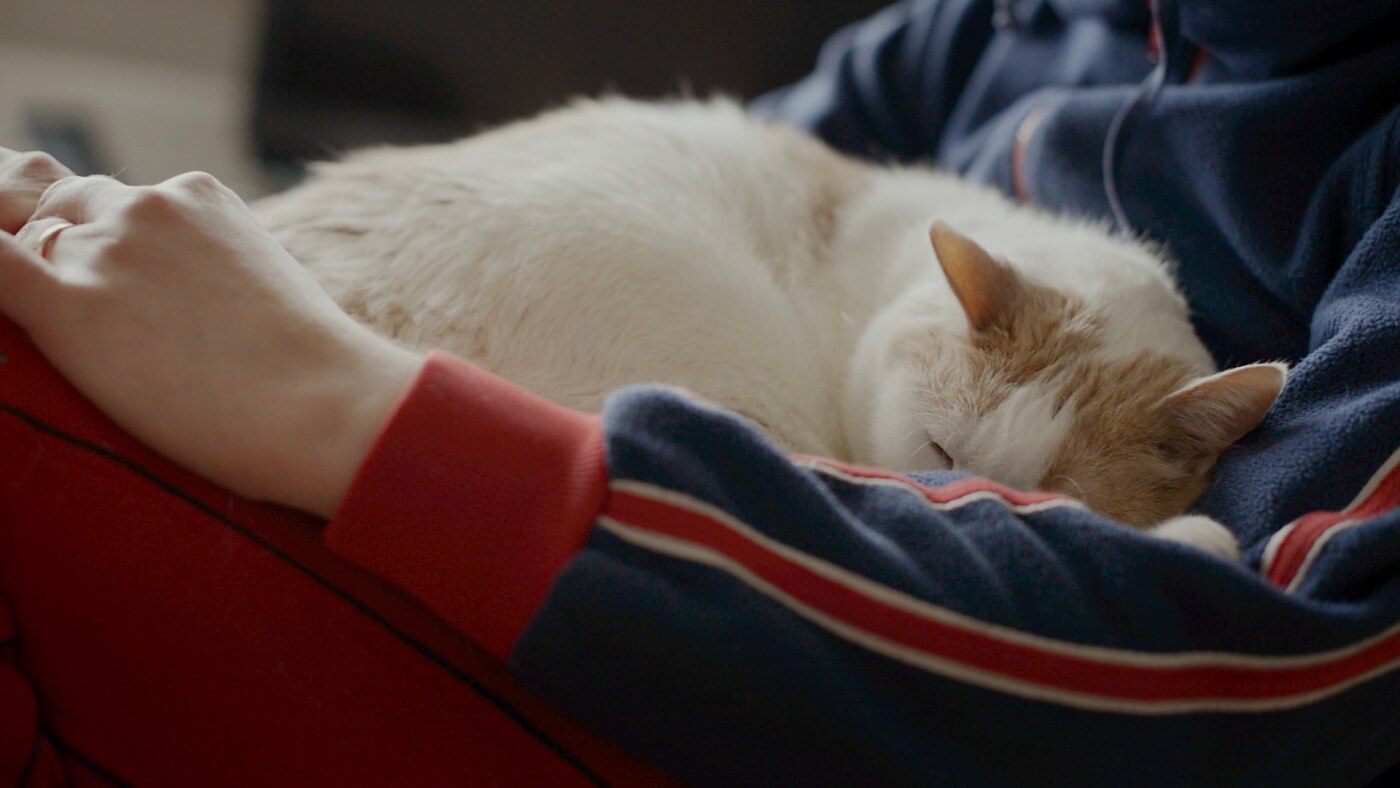
In today's selfie-obsessed society, everything revolves around the ego. Filmmaker Vanesa Abajo Pérez explores how we can experience life through the eyes of the reality that surrounds us, rather than through our own. In her films, she often utilizes this particular shift in perspective: she doesn't portray people as typical protagonists in a leading role. Abajo Pérez is fascinated by the poetic quality of the material world that surrounds us. What kind of relationship do people develop with the objects they own or interact with? How is the human presence reflected in the world around them, and how can it be felt?
In I AM NOT MY BODY, Abajo Pérez places this idea in the context of approaching death. To this end, she spoke with many terminally ill people facing death. The filmmaker explored their shifting perceptions, both of themselves and of life. It is a sober and nostalgic journey on the border between cinema and literature, in which the artist attempts to capture the essence of humanity. The texts in the film are by the Flemish poet Maud Vanhauwaert.
Vanesa Abajo Pérez (1979) is a filmmaker and multimedia artist. When her aunt became terminally ill, she made her first short documentary, LA CASA DE PIEDRA (2016), in which she portrayed her aunt through the lens of the space she once inhabited. From that moment on, Vanesa dedicated herself entirely to artistic documentary filmmaking. Her first feature film, LIFE IS DREAM, premiered in 2020. In 2021, her solo exhibition I AM NOT MY BODY opened at the Museum Tot Zover in the Netherlands . A portion of this work is on display here. Vanesa is currently working on a second part of this project, as well as a new feature-length documentary about the island of La Palma.
Origin of the project
Abajo Pérez is a nostalgic filmmaker. When her aunt was diagnosed with a terminal illness, she recorded her aunt's voice reading her a poem about the house where she had grown up and where her presence would live on. After her aunt's death, Abajo Pérez filmed the house and combined the images of its empty interiors with her aunt's vivid voice. The result was the film LA CASA DE PIEDRA (2016), which inspired her subsequent work.
Abajo Pérez spent several years researching. She spoke with many people who had faced illness and death, exploring their altered perception of themselves and of life. On the one hand, she discovered how relative and subjective our sense of time can be when death is near. It's as if time stands still or becomes completely irrelevant. On the other hand, and because of this timeless state, the presence of a person who is already about to disappear also blurs. To the point that a person is no longer truly present shortly before dying, yet still feels present after their death. In this sense, the artist describes death as a surreal event.
I AM NOT MY BODY is a project that explores the dividing line between life and death from this surreal and poetic perspective. It is an ongoing, cross-media project, a part of which is shown here.
The film
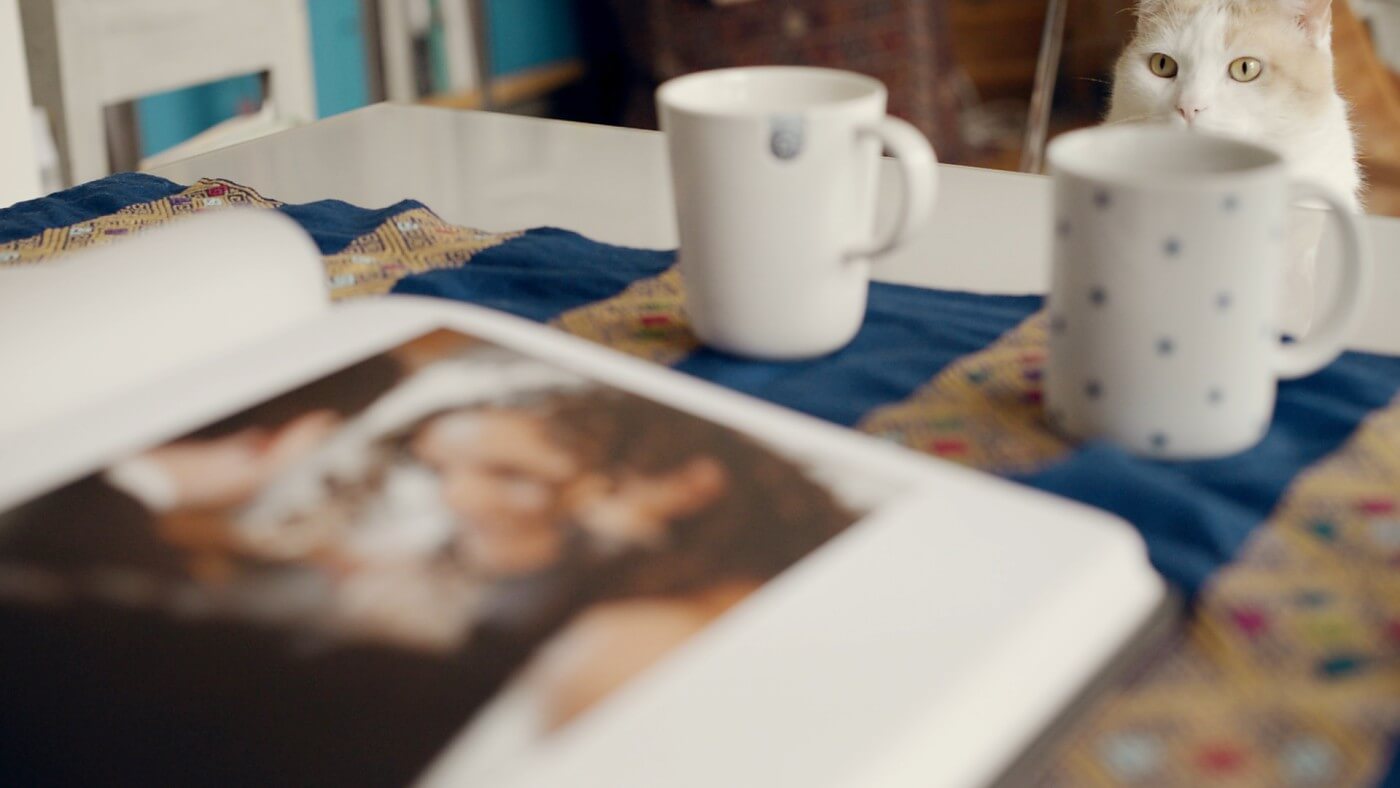
For over a year, Abajo Pérez filmed the life of a terminally ill woman. A woman who refused to accept the idea of her own death. "My body isn't the only thing that matters," she thought, "my identity exists beyond the physical realm." In the film, a poetic voice, representing the body, argues and grapples with the character's mortality. The poem is interspersed with images that Abajo Pérez filmed in the woman's home. Visually, Abajo Pérez focuses not so much on the people themselves, but rather tells the woman's story through the lens of the reality surrounding her: her apartment, the neighborhood where she lived, and so on. The narrative is anchored in the world that will remain when the woman is gone.
Showtimes (every 45 minutes)
10.15 / 11.00 / 11.45 / 12.30 / 13.15 / 14.00 / 14.45 / 15.30 / 16.15 / 17.00 / 17.45 / 18.30 / 19.15 XNUMX
The seasons
As human beings, we experience our own lives as a story with a beginning, a middle, and an end. In our society, most of the stories we know about death are also linear.
The film tells the story of a woman who fundamentally denies the passage of time. The woman in the film is convinced that she will not die, at least not for the time being. However, the naming of the seasons in the film reveals how time actually passes. An entire year passes, and after the character's death, life goes on.
After watching the film, visitors to the exhibition are invited to reflect on the passage of time by compiling their own timeless collection of poems in an installation. They can also translate the film into book form.
The chairs
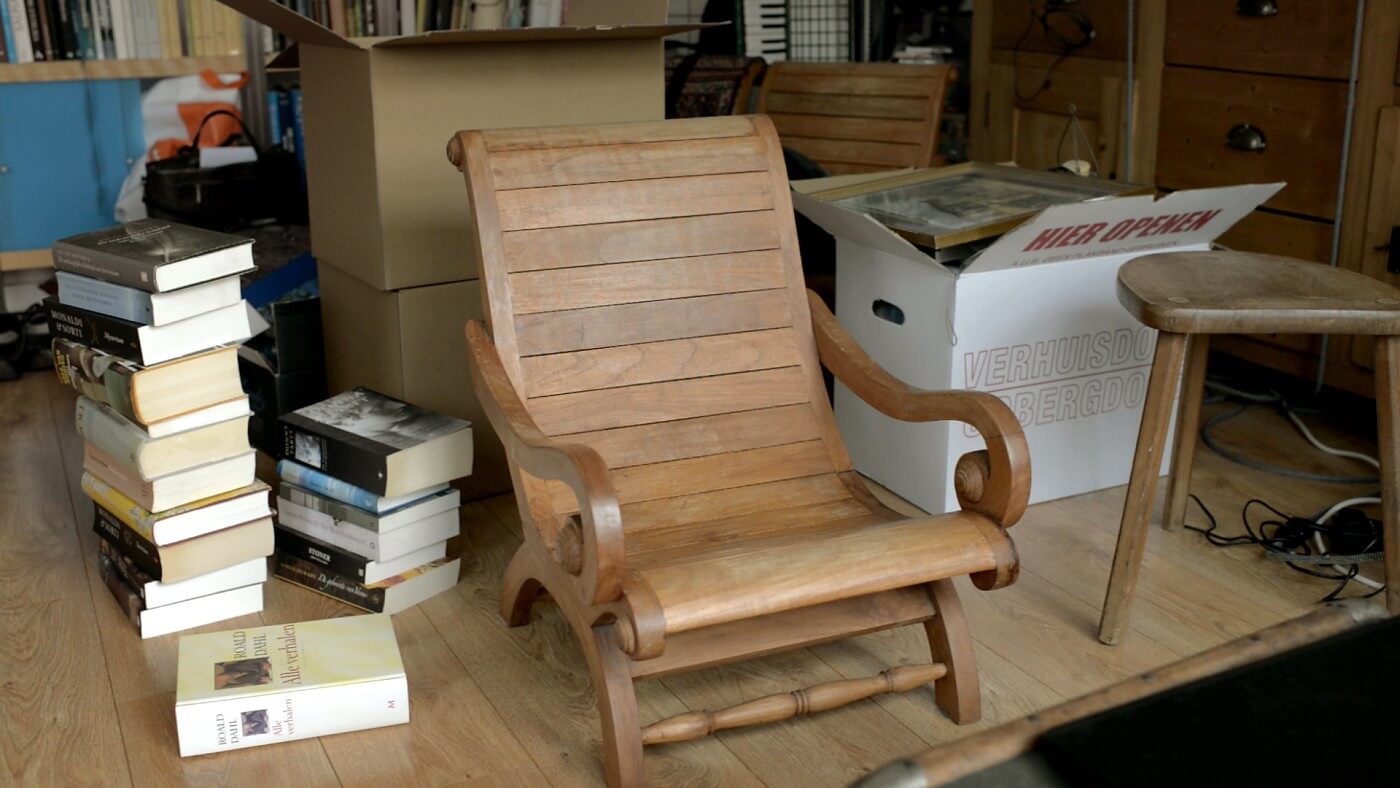
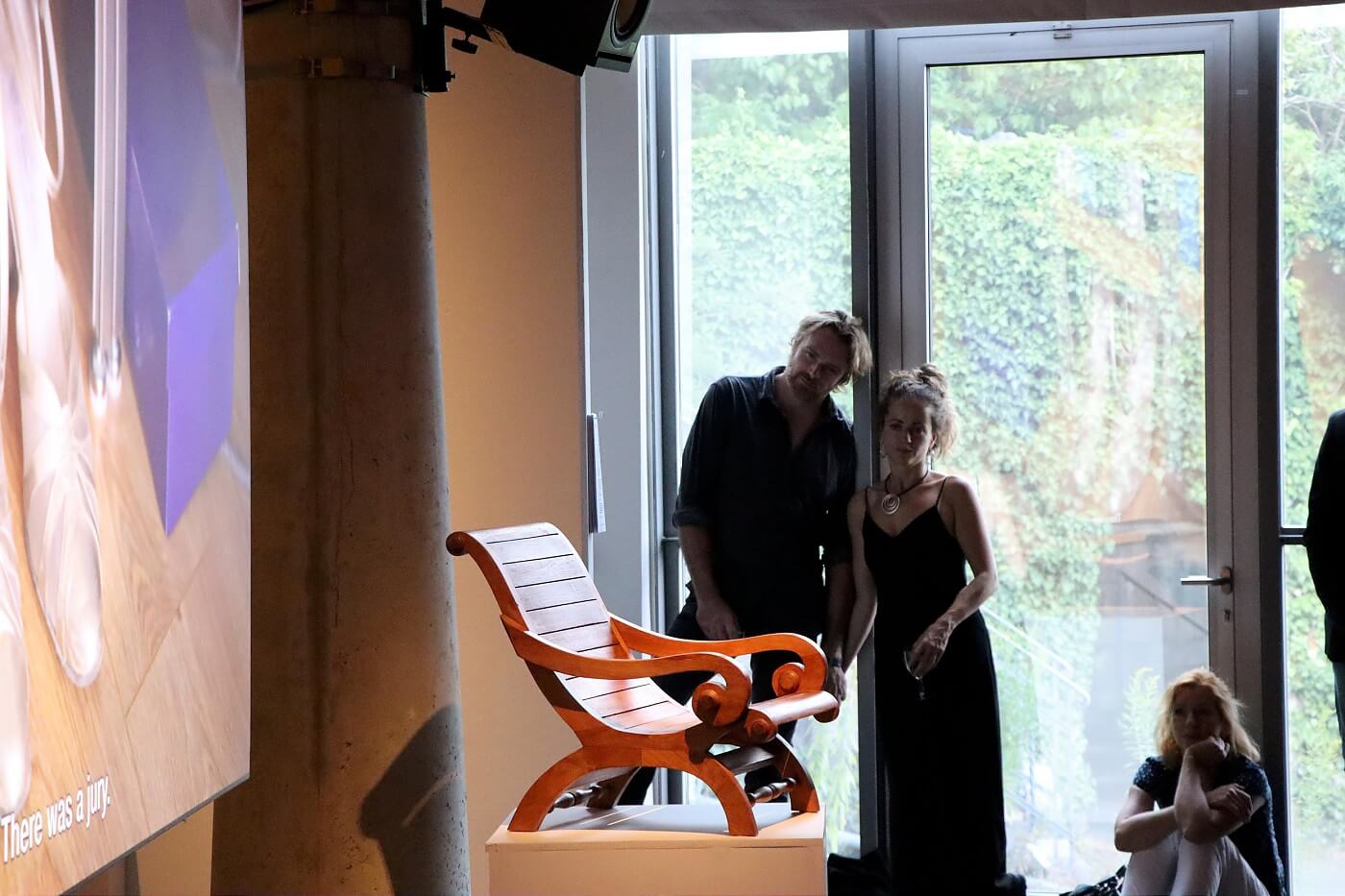
After their death, people leave traces in their surroundings. Chairs are unique in this respect and very personal. They are objects on which people sat and with which they were in contact over a long period of time. There is a personal connection.
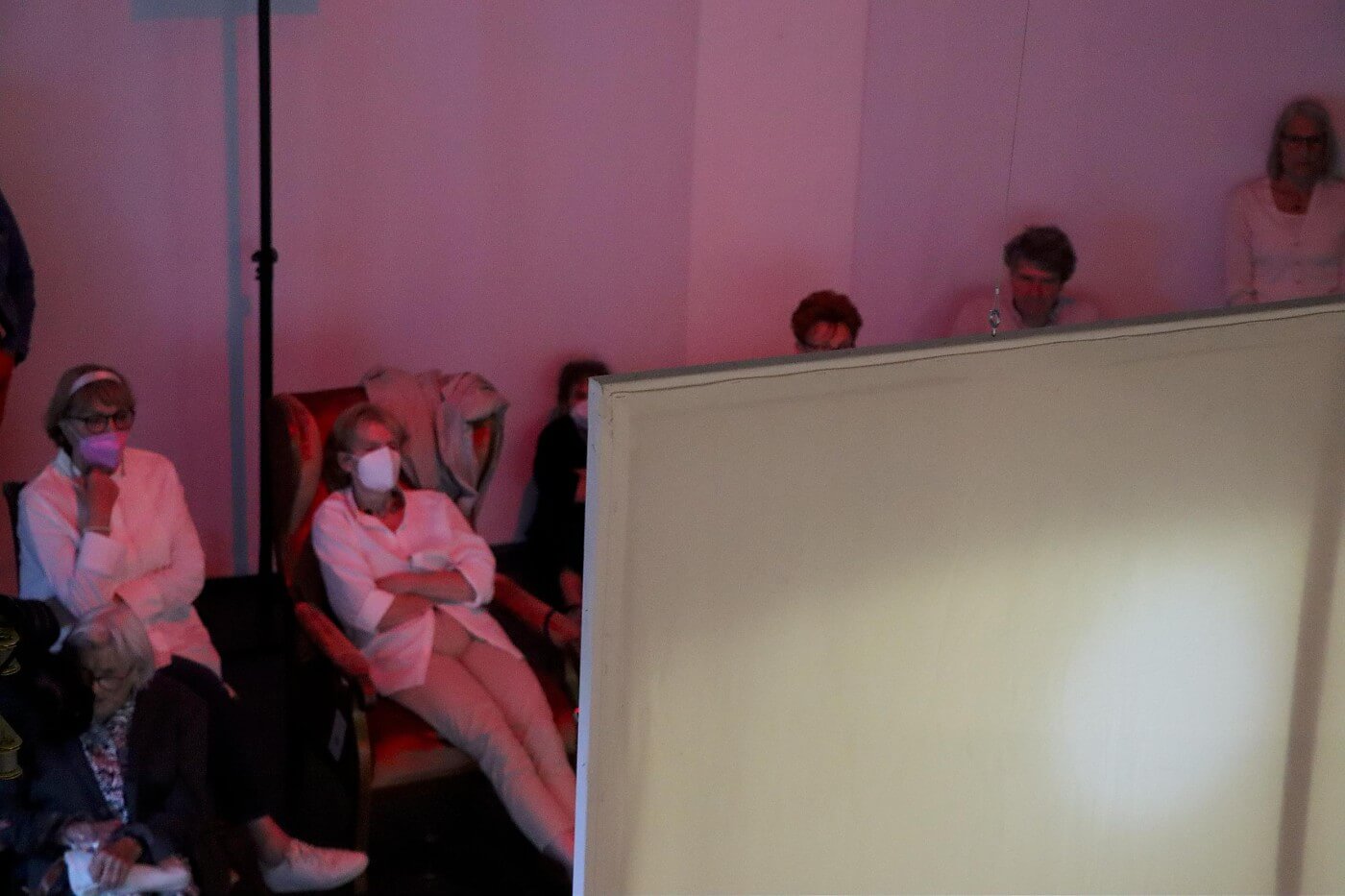
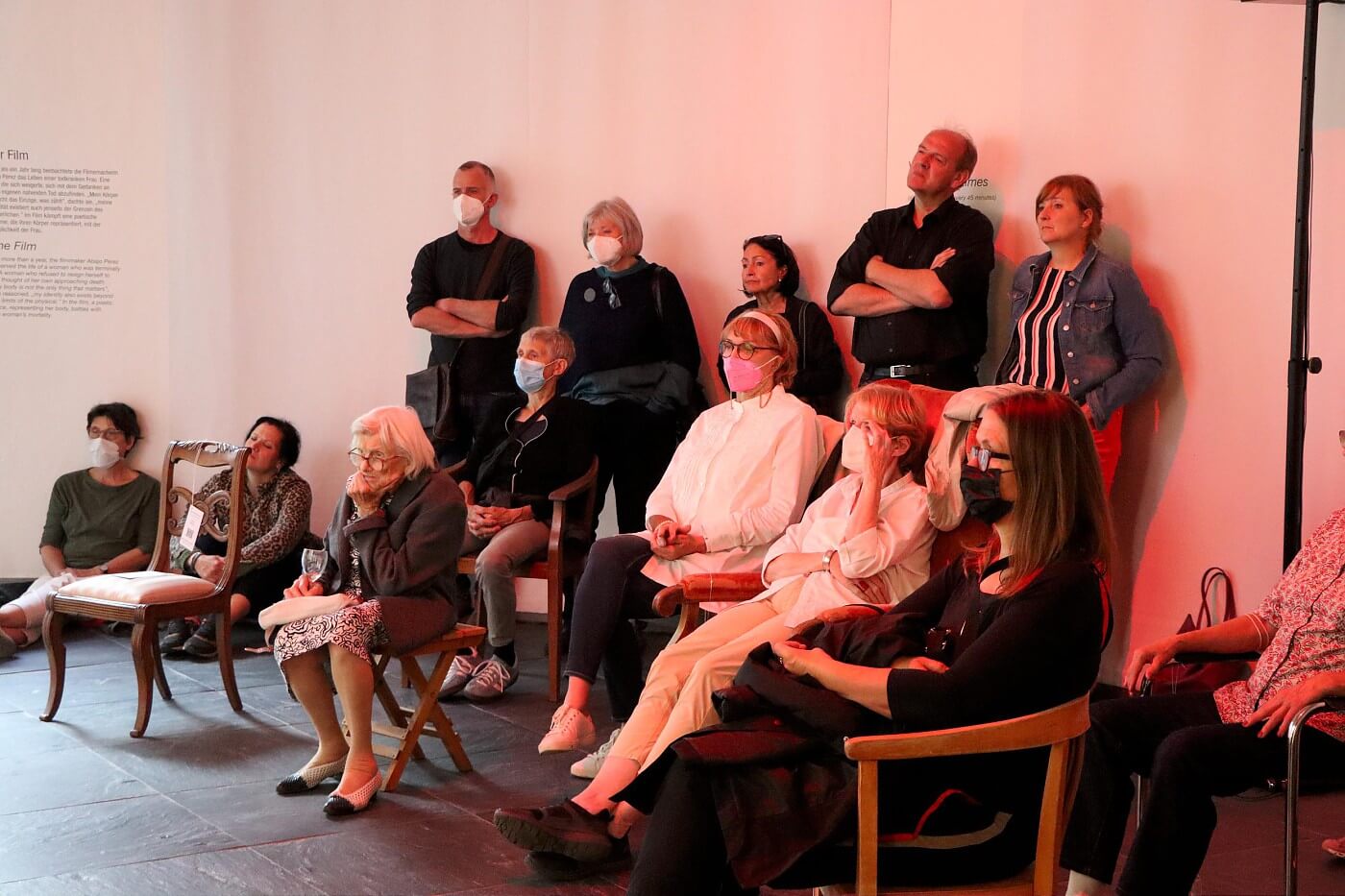
For this exhibition, we are collecting chairs from deceased individuals, which are being loaned to us by Kassel residents. With these mementos, we will create a small cinema space for the film. Each chair has a story, which we will record and make audible in the exhibition.
Continuation and second part
While the film focuses on the process of human disappearance within the surrounding space, Abajo Pérez is currently working on a sequel: a multimedia collection of poems portraying people who have traversed the space they have left behind. This second part will be released in 2023.
Credits
This project is made possible by the Netherlands Foundation for Literature, the Amsterdam Arts Fund, the Netherlands Cultural Media Fund and various private sponsors.
I AM NOT MY BODY is a production by Ten Zuiden van de Grens.
For this exhibition, we are collecting chairs from deceased individuals, which will be loaned to us by Kassel residents. We will use these mementos to create a small cinema space for the film. Each chair has a story, which we will record and make audible in the exhibition. If you own such a chair, have a story to tell about it, and would like to lend it to us from the end of June to the end of September 2022, please get in touch.
E-Mail: neurath@sepulkralmuseum.de
Telephone: 0561 918 93 20