Permanent presentation

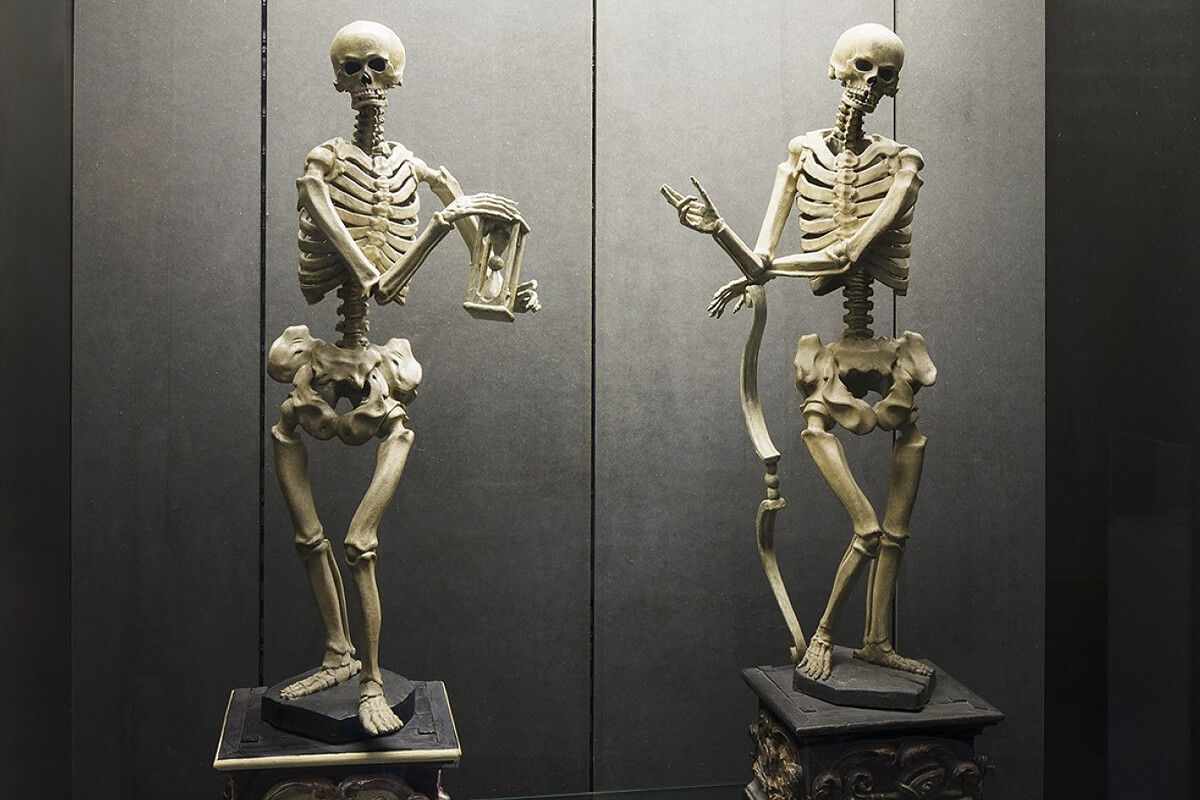
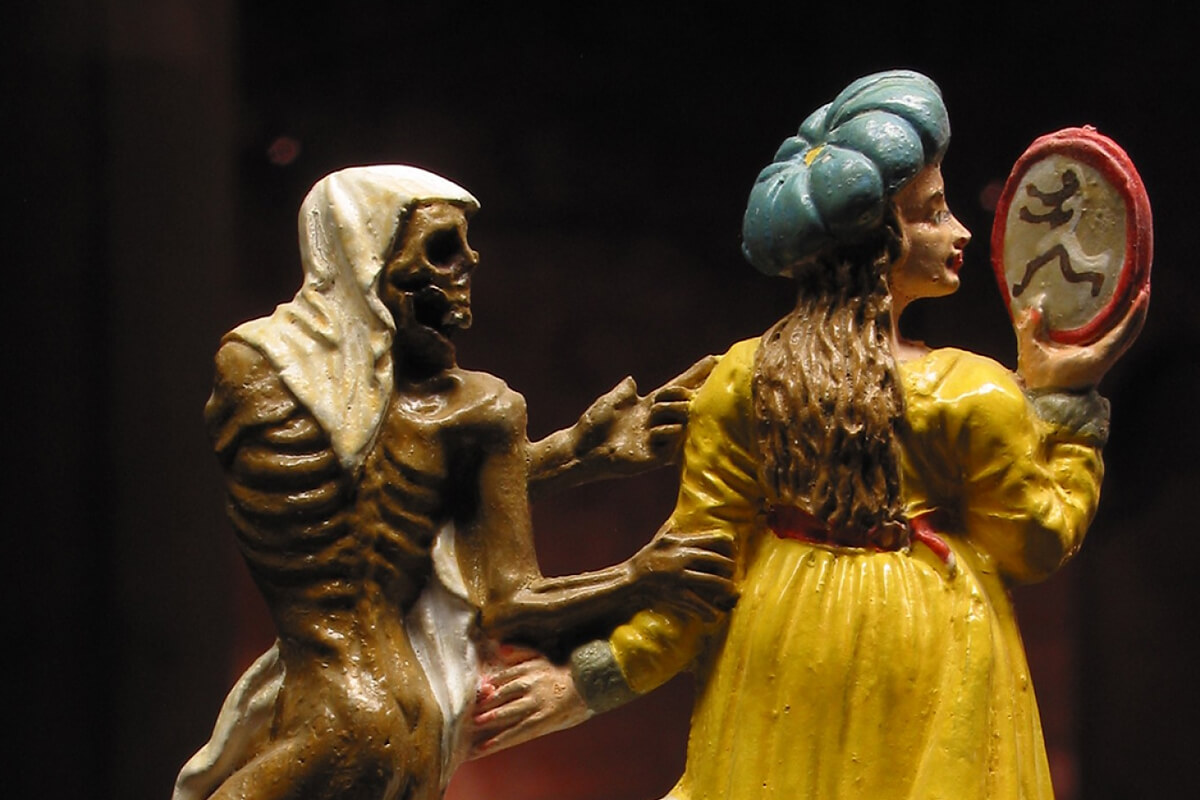
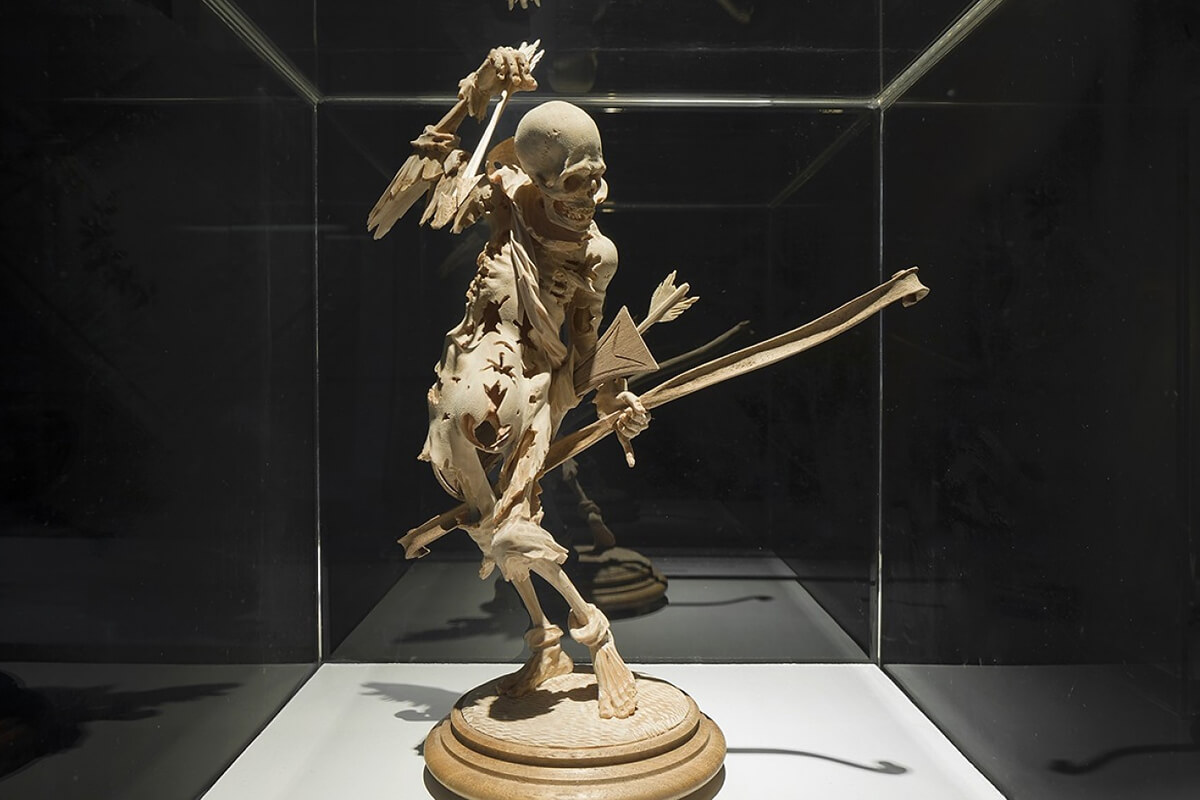
Figure of a hooded skeleton next to a person with long hair and a large hat

Dying, death, burial, mourning and remembrance

Transformation Reconceptualization

The Museum of Sepulchral Culture possesses collections primarily from Western Christian culture, currently comprising approximately 25.000 exhibits from the 1st century AD to the present day. This collection is continuously expanded through acquisitions and donations.

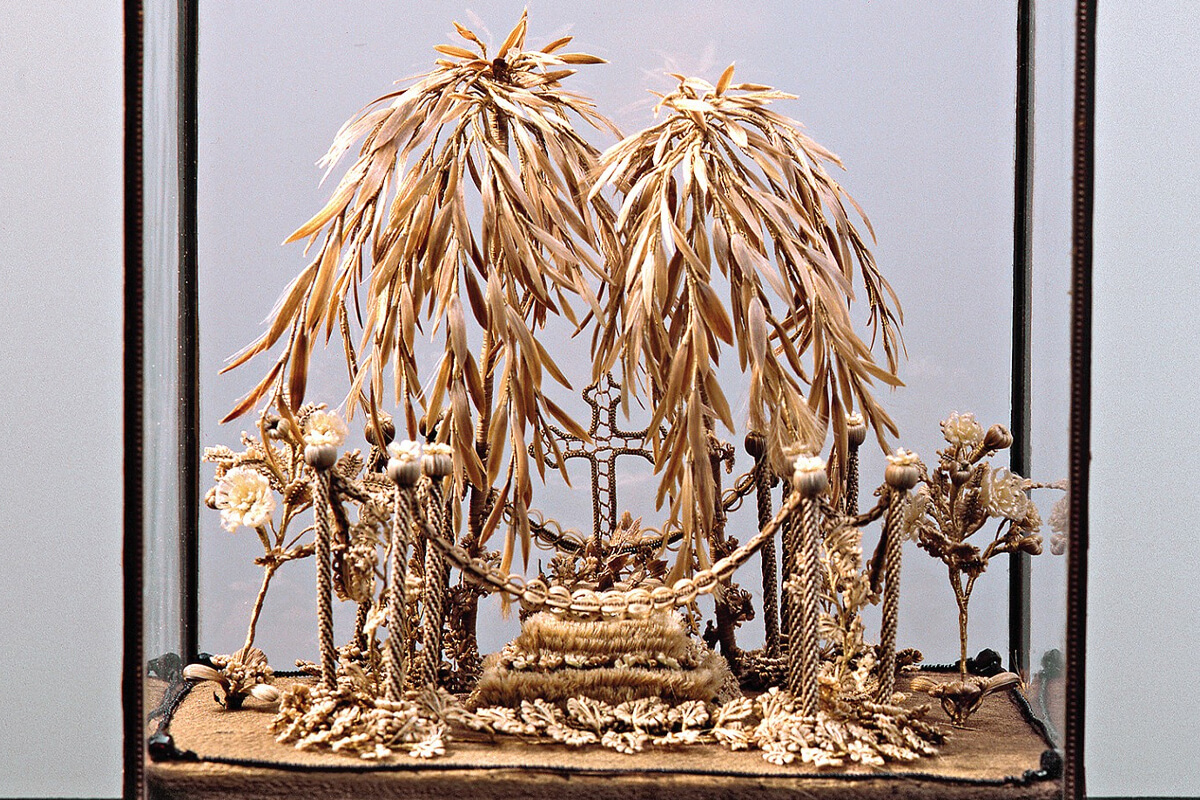
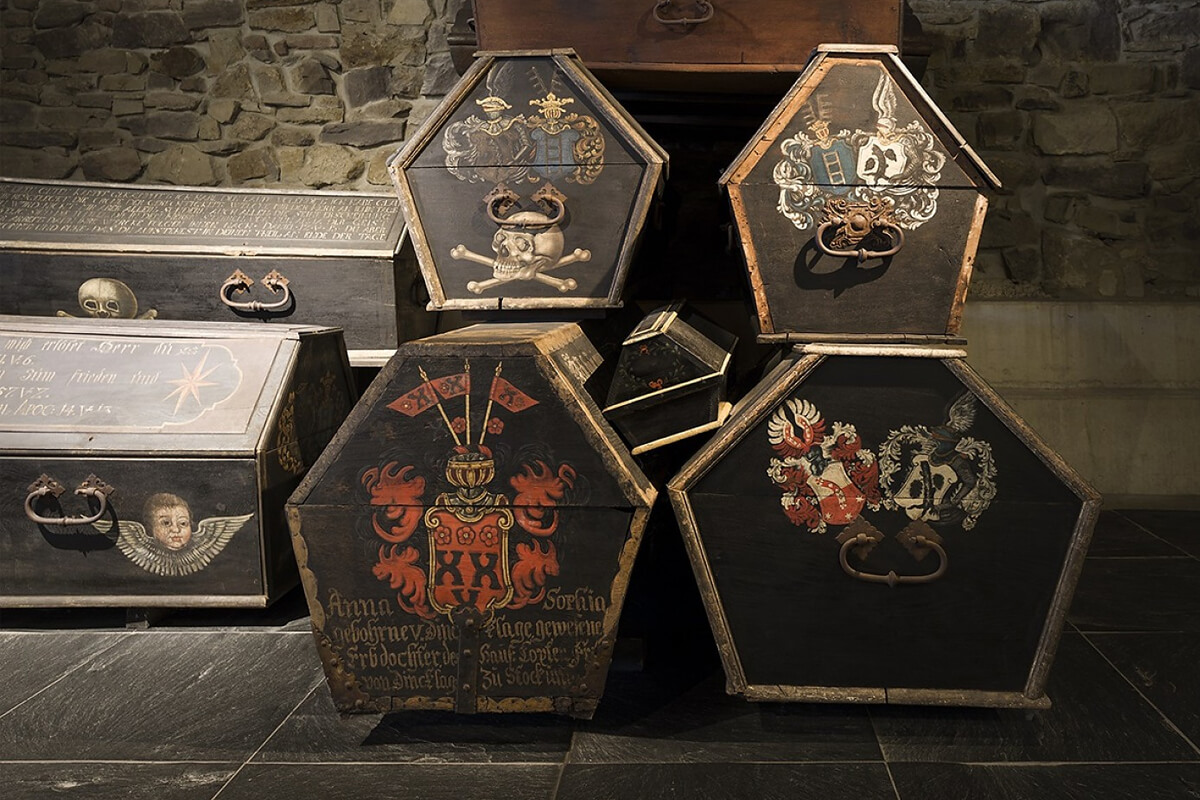
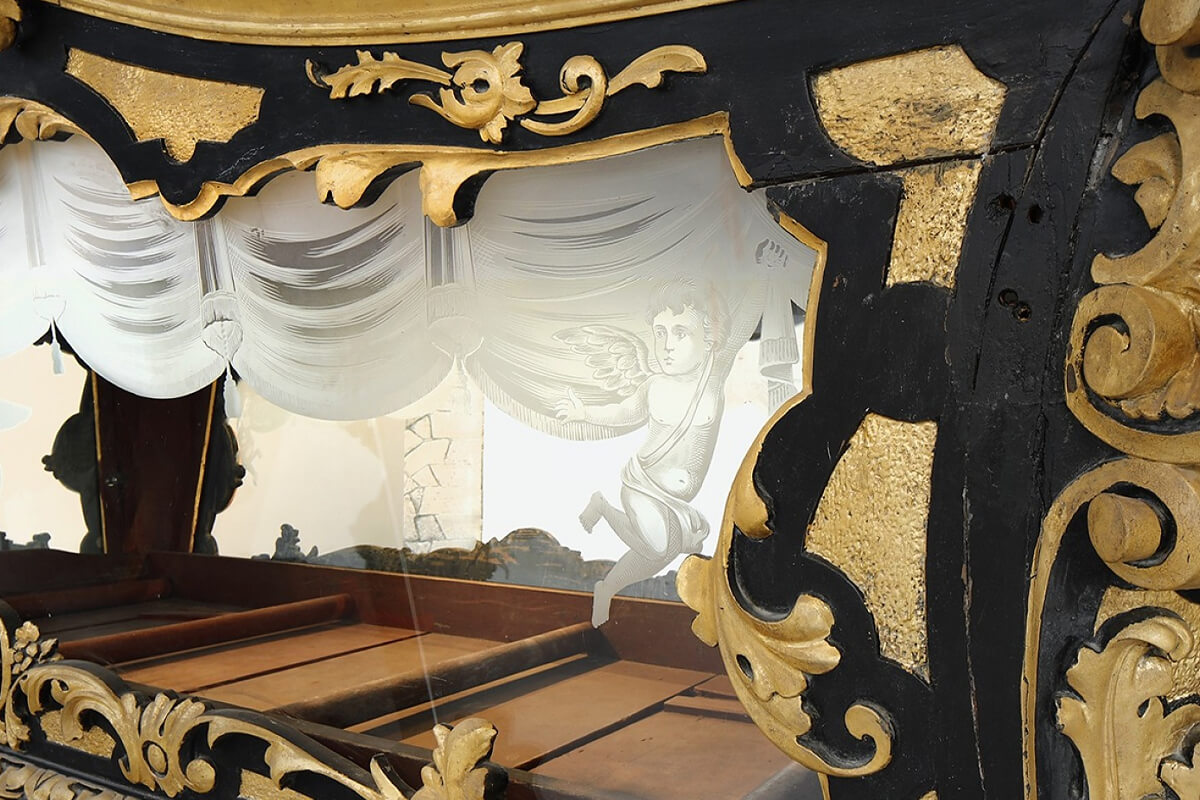
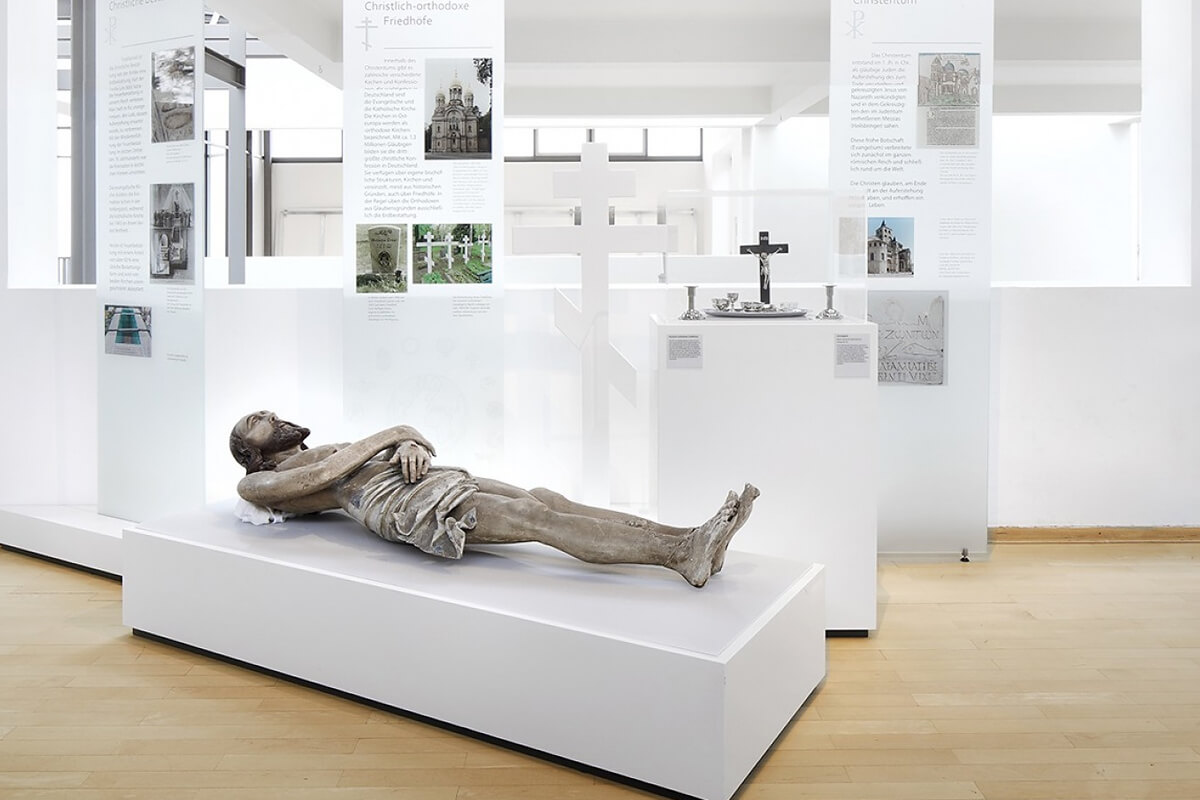
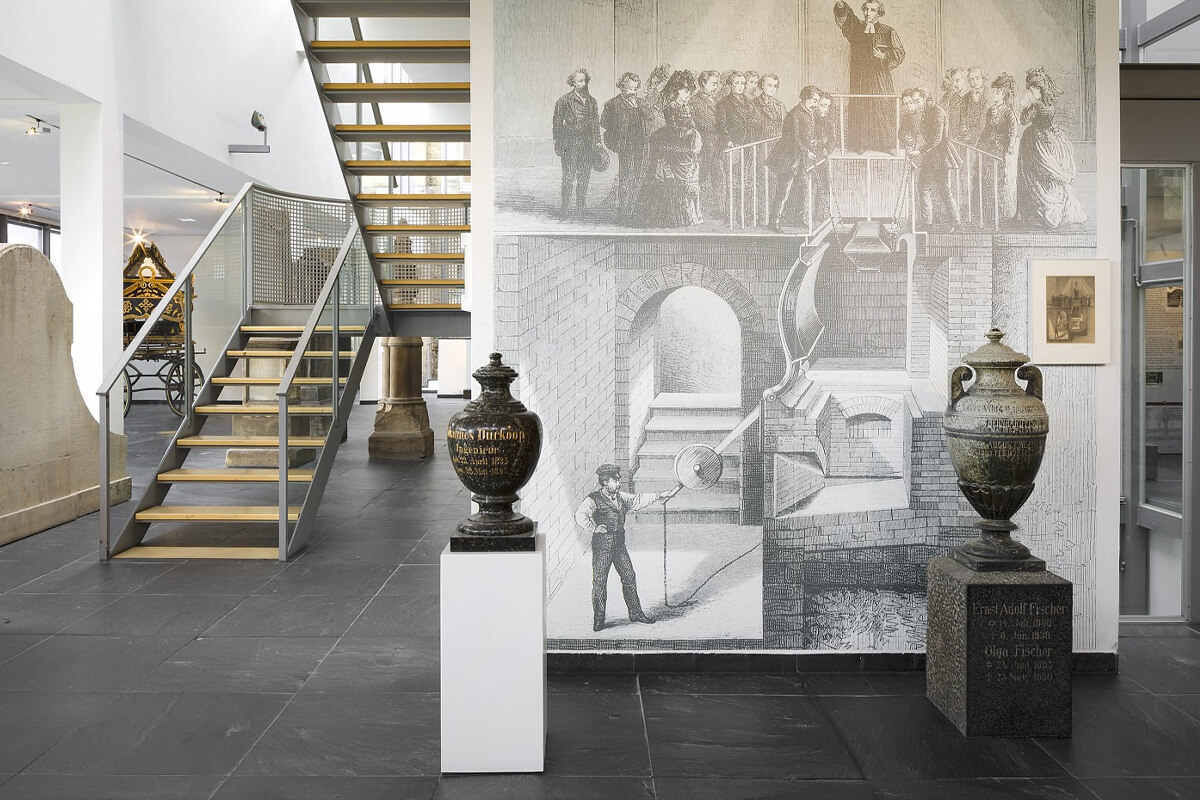
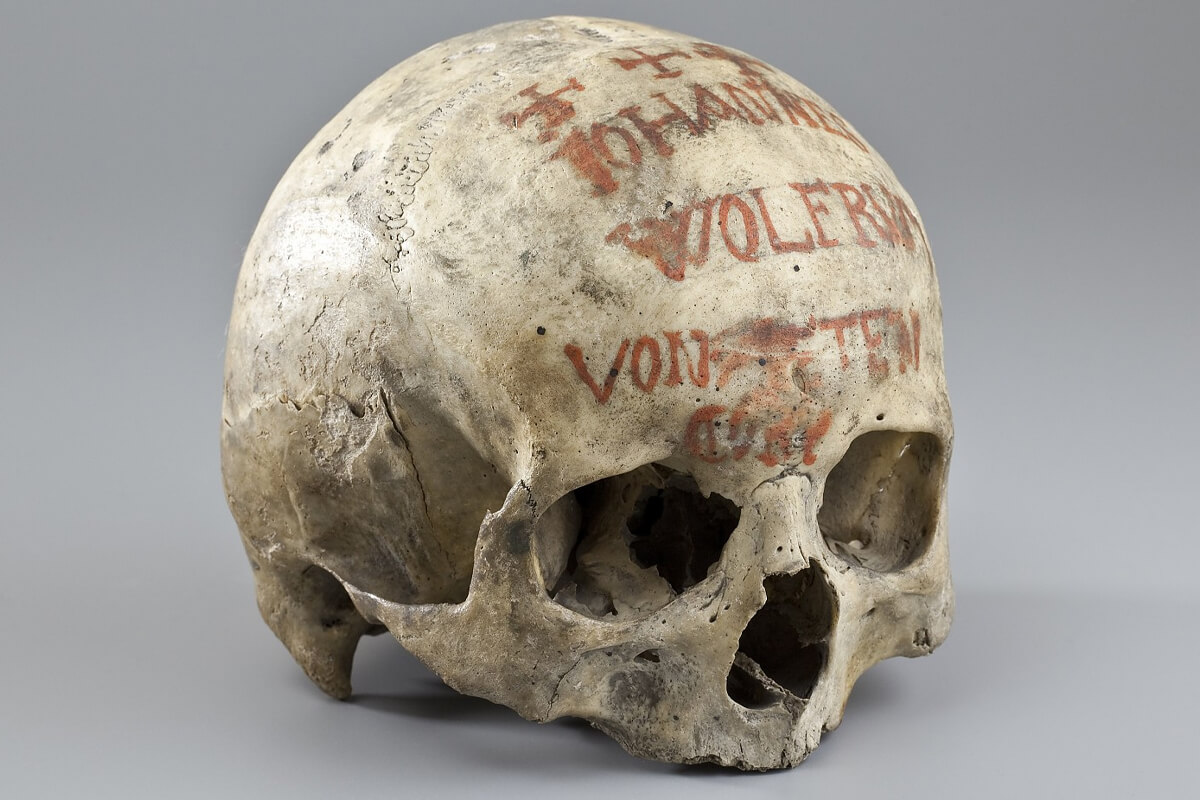
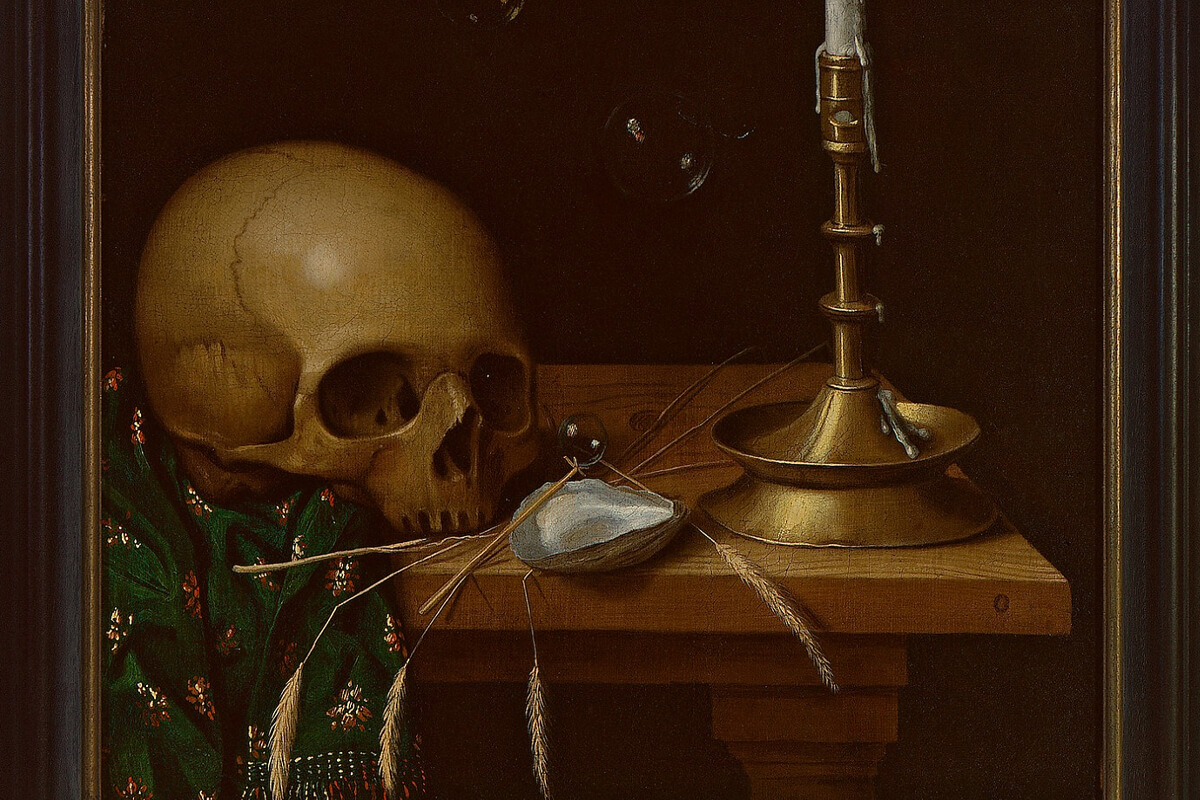
The museum's current permanent exhibition showcases the development of funerary art from the Middle Ages to the present day. Another section features traditional and folk religious exhibits related to burial, mourning, and memorial culture.

From 2027 onwards, the museum will be renovated and the permanent exhibition will undergo a comprehensive redesign.

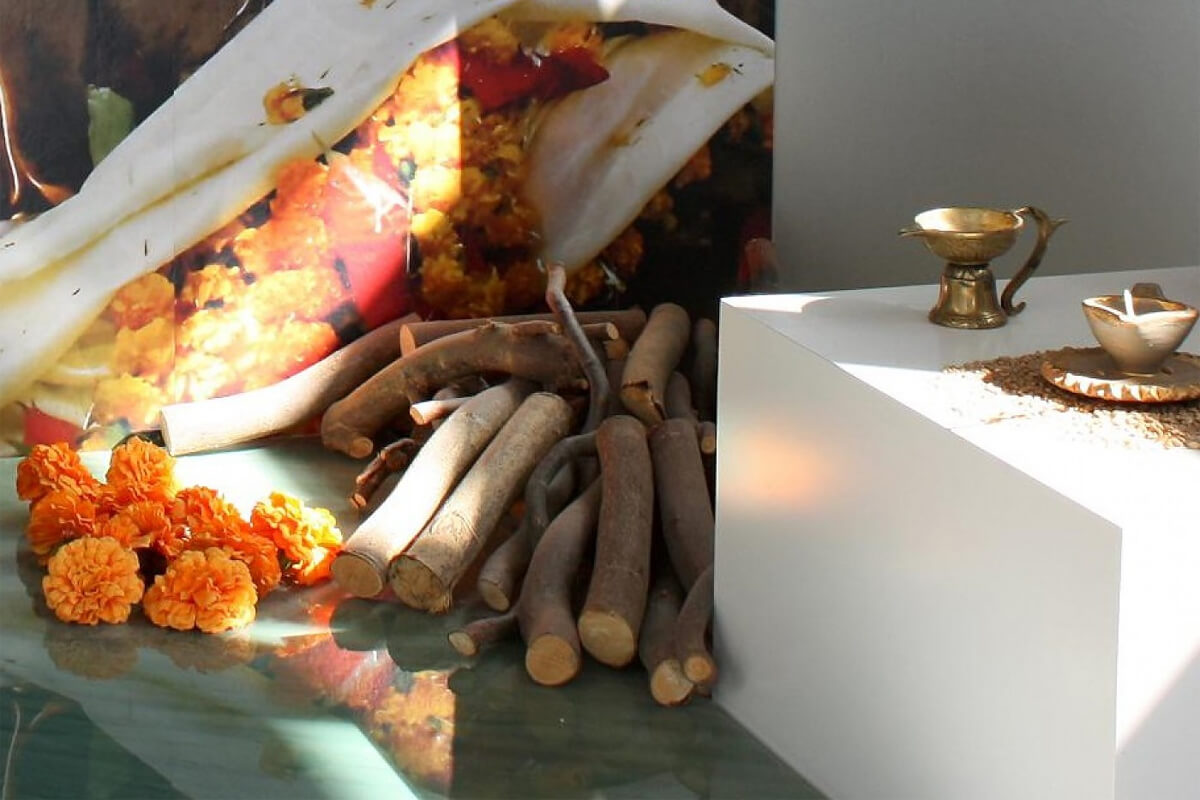
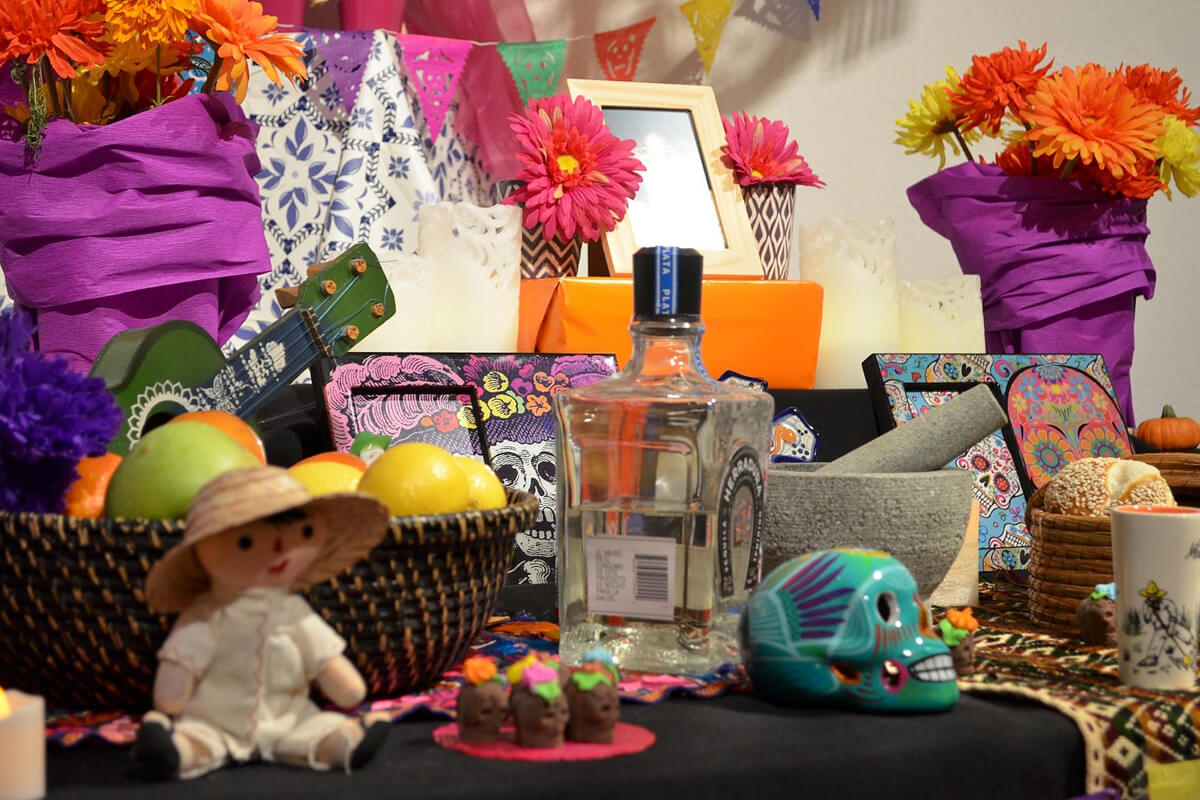
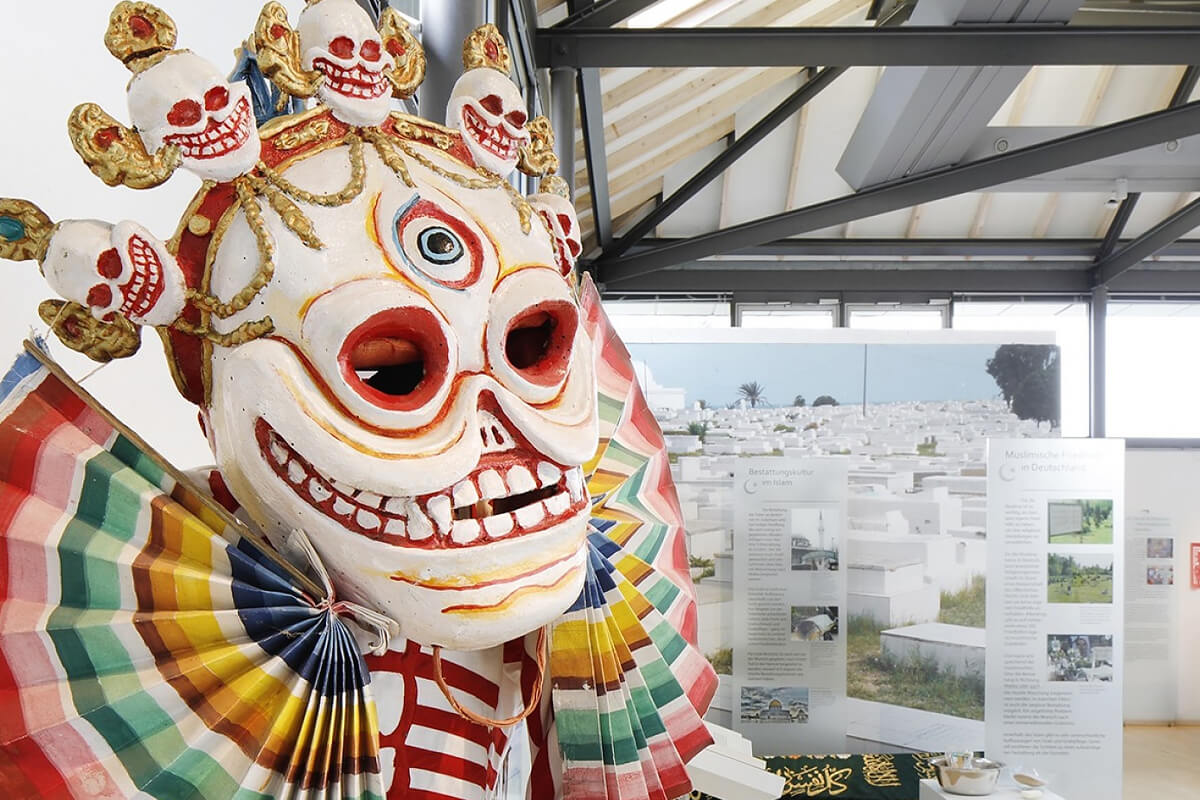
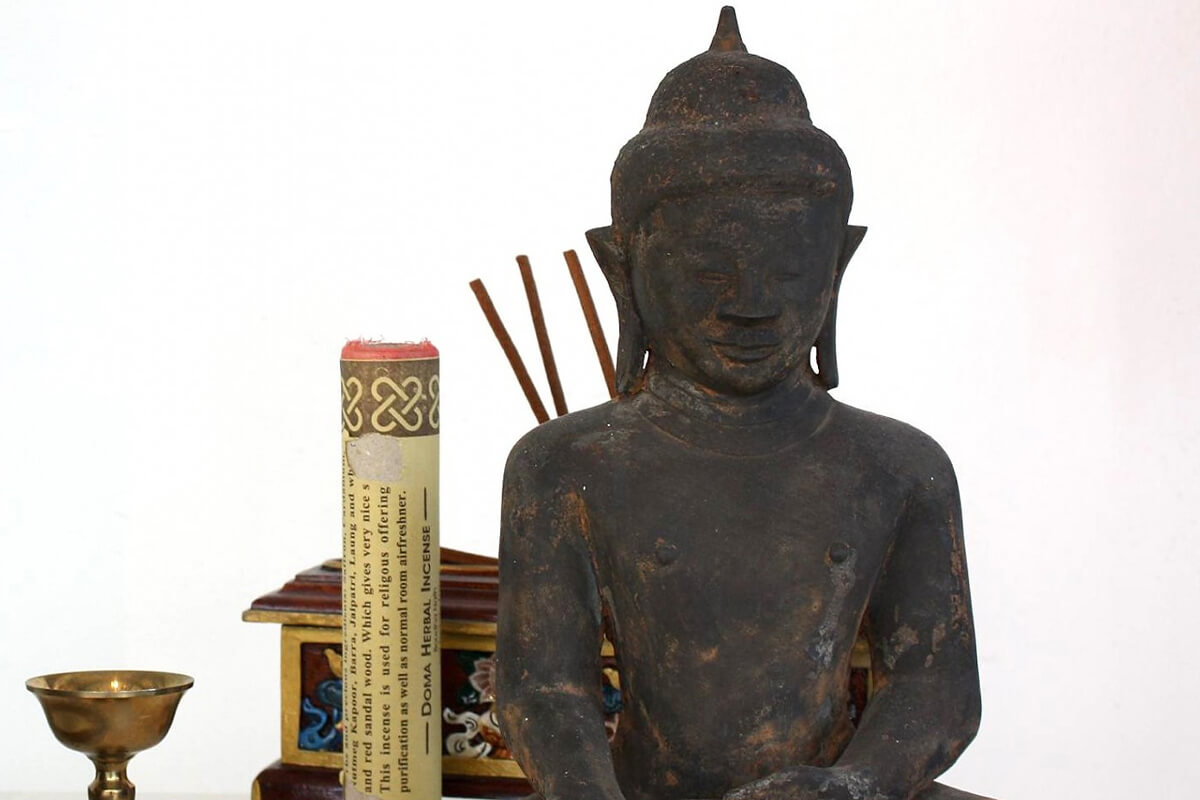
Current developments and contemporary artistic perspectives that address the multifaceted relationship between humanity and dying and death are integrated into individual thematic sections. Funeral customs from various religions and cultures in Germany and worldwide are also presented. All of these document human strategies for dealing with the finiteness of life. How we deal with death tells us who we are, where we come from, what we think, and what we believe. An awareness of mortality intensifies this life, and knowledge of death traditions strengthens mutual understanding.

Since the 21st century, funeral culture in Germany has been undergoing a fundamental transformation. The way we deal with dying and death is also subject to this general societal and cultural change.

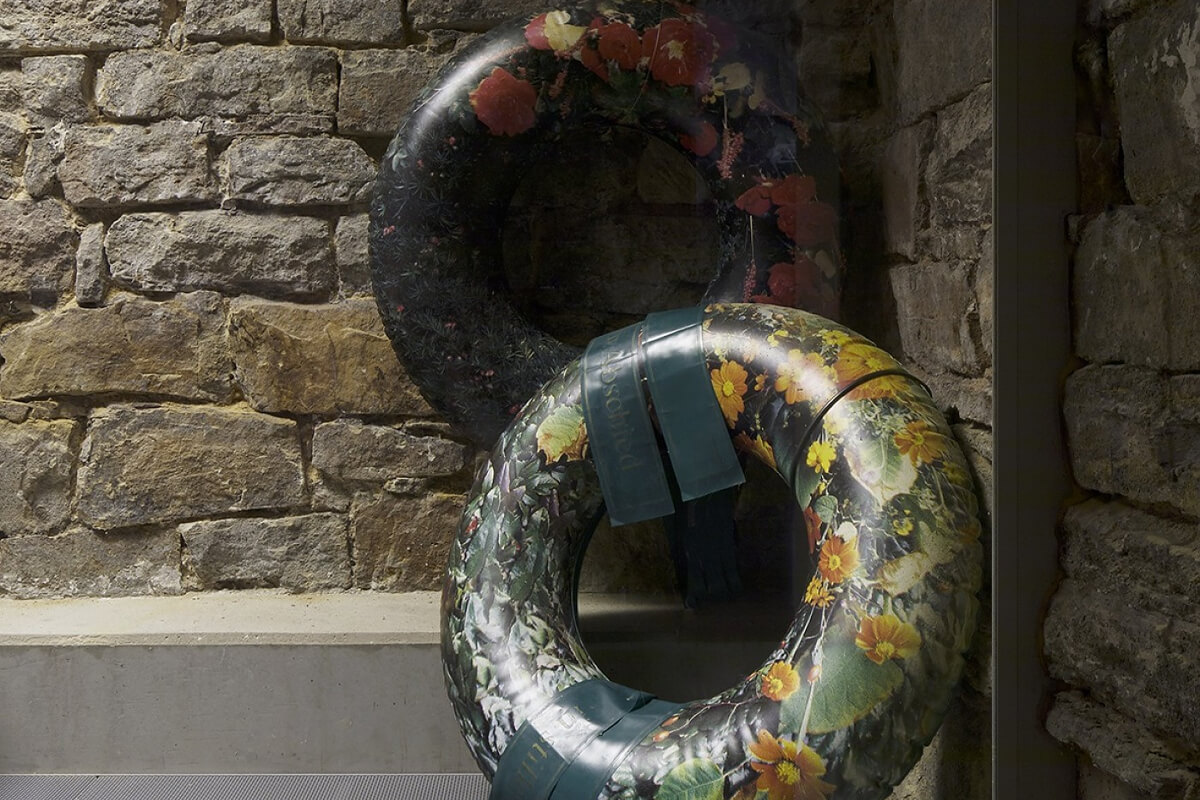
A new concept is being planned in light of this change, demographic development, and migration, incorporating current multicultural, ethical, sociological, medical, social-psychological, and scientific aspects of dealing with dying and death. Large-scale special exhibitions and interventions regularly highlight various aspects of contemporary developments.

Groups can take guided tours through the exhibitions.

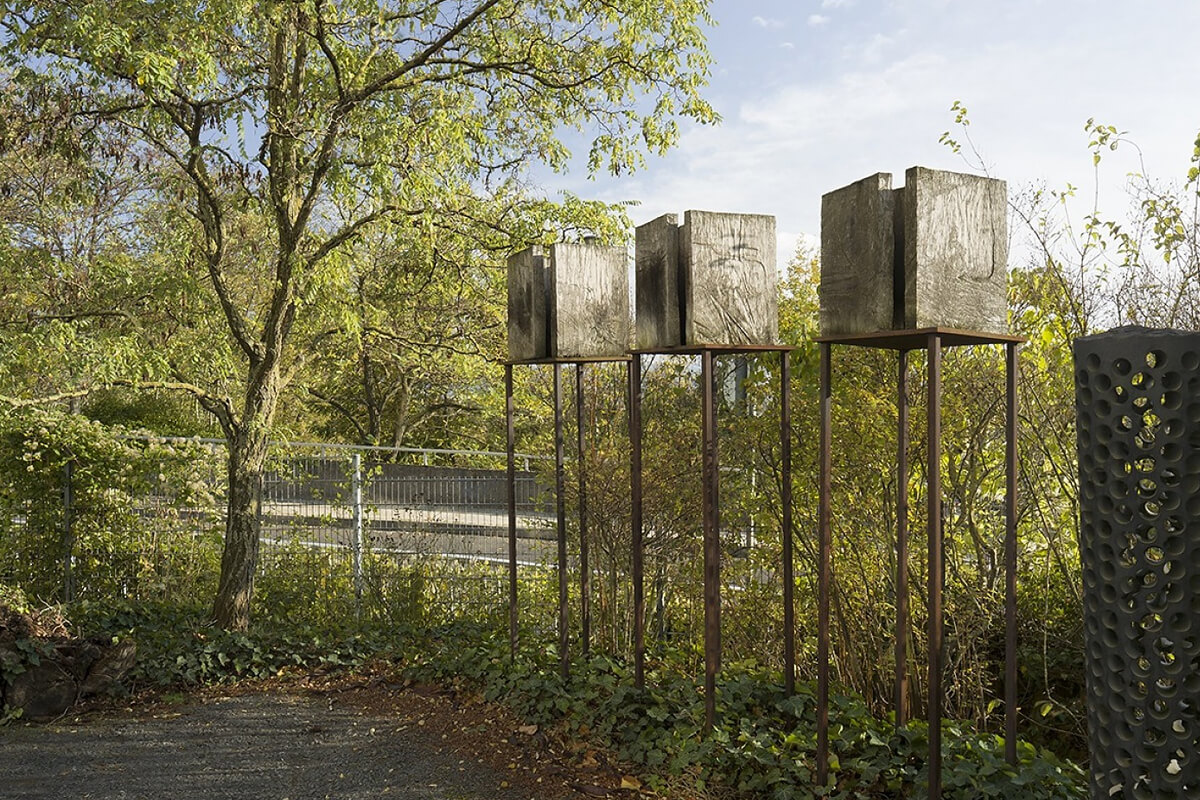
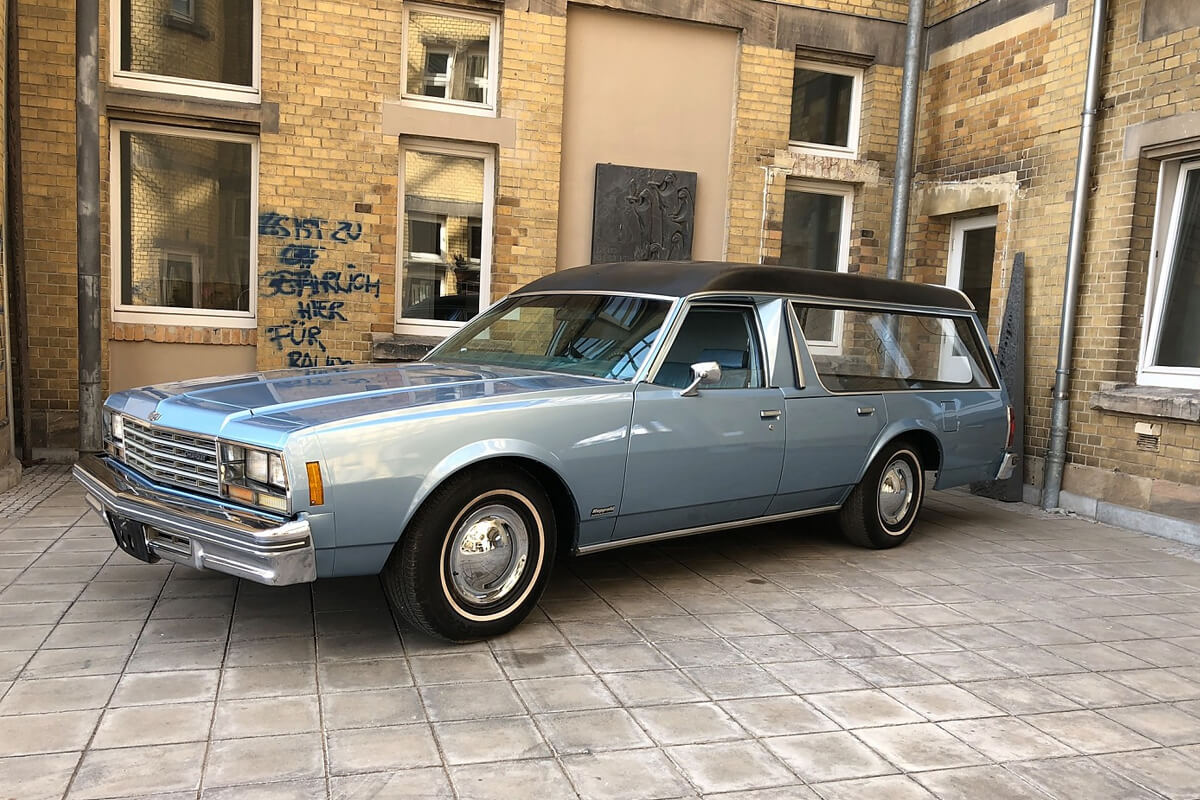
In the museum's outdoor area, wooden grave markers represent historical periods from the Middle Ages to the 19th century. Growing plants alongside them illustrate the connection between graves and plants, tracing the evolution of grave planting. Other areas showcase contemporary artistic and craft-based forms of commemorating the dead.

Permanent Exhibition Digital

Our permanent presentation is now online! It contains lots of additional information, such as short videos on individual topics or our team's favorite objects.

You are currently viewing placeholder content from a third-party provider . To access the actual content, click the button below. Please note that this will involve sharing data with third parties.

Further information